
Northeastern United States
Images of flora and fauna from Northern Maine to North Carolina.

An autumn sunset over Dorr Mountain in Acadia National Park, Maine.

Dark winter skies over Acadia National Park make for excellent stargazing and stunning (if chilly) views of the Milky Way.

Mists roll in over the Alice Eno Field Research Station and Great Duck Light off the coast of Maine. Great Duck Island is now predominantly a seabird nesting island, providing crucial habitat for many species.

Even during the winter beavers (Castor canadensis) are active beneath the ice, continuously repairing their lodges and dams with mud, branches, and other woody material. They survive through the harsher months by living off of a cache of plant material they store in their ample lodges, keeping warm by huddling together. They’ve even been known to welcome other occupants, reports showing that otters have been found sheltering in the dwellings with beaver families.
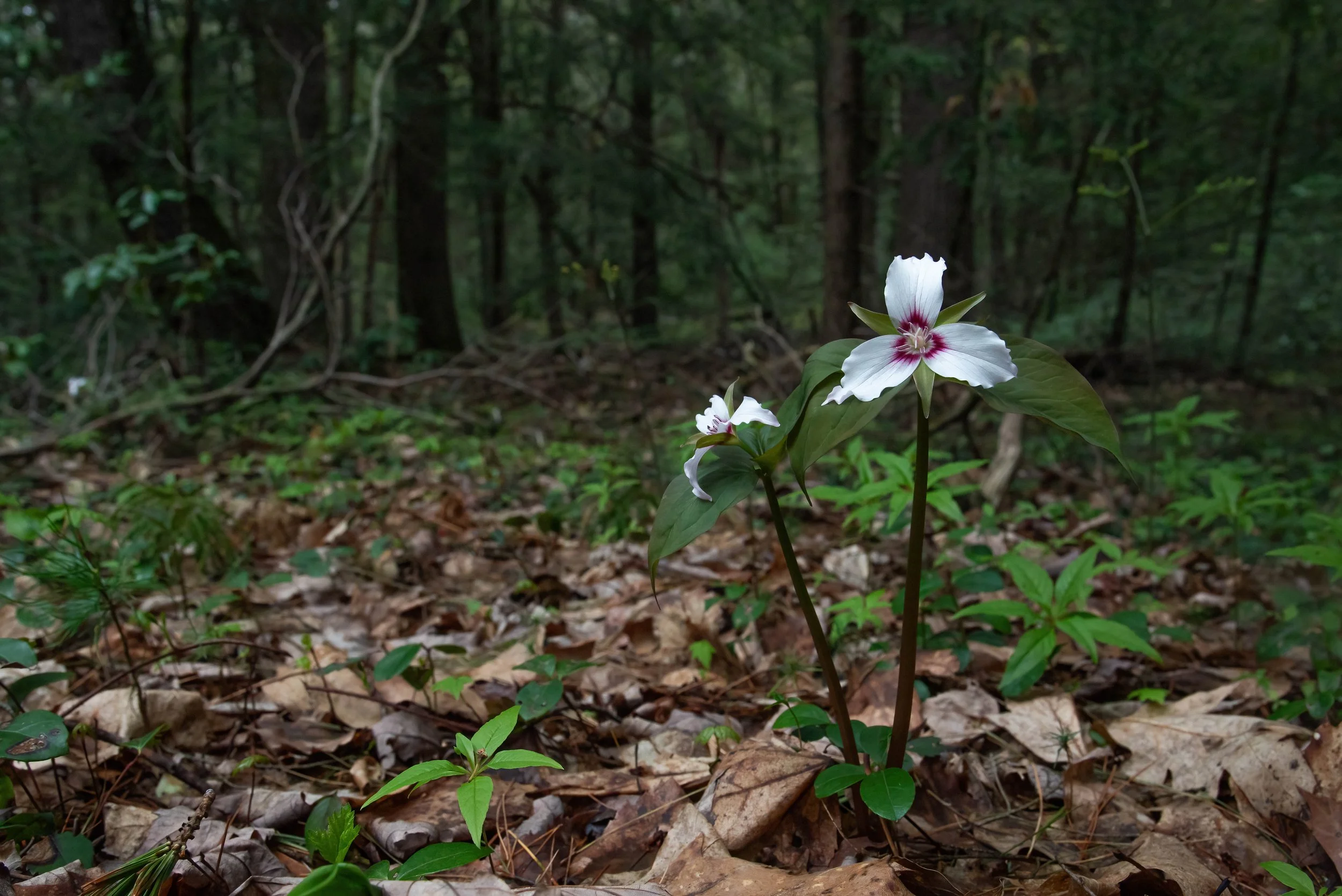
Painted Trillium (Trillium undulatum), a lily native to the Northeastern U.S. pokes up above the leaf litter in a shaded woodland. Once quite rare due to over harvesting, trillium take on average 7-10 years to reach blooming age.

Canada Bunchberry (Cornus canadensis) on Great Duck Island This low-growing plant will produce colorful bunches of red berries later in the season, a favorite of foragers in the Northeastern United States and Southern Canada. This bunch was concealing the intricate burrows of Leach's Storm Petrel (Oceanodroma leucorhoa), crisscrossing the spruce roots across the island.

A Savannah Sparrow (Passerculus sandwichensis) on a chilly morning in Maine. This bird is named after the location in Georgia, where the first specimen was collected.

A Savannah Sparrow (Passerculus sandwichensis) collecting insects to bring back to its hungry young.

Great Blue Heron (Ardea herodias) preening itself between hunting attempts. Wading in a shallow pond, this Great Blue Heron spent tens of minutes in stillness while searching for prey. The largest herons in North America, these birds eat fish and other small vertebrates. The wetlands these birds call home aren’t just important for the herons, they provide critical habitat for a whole host of animal and plant life. In addition, wetlands help purify water, prevent flooding, store water, add nutrients into rivers, and help prevent erosion. Many such wetlands have already been drained for development, or are at risk of such an outcome, and need our voices to speak up for their protection.

A Barred Owl (Strix varia) resting in the early morning light in a hemlock forest in Eastern Maine.

A baby Barred Owl (Strix varia) watching from its nest. This youngster was being closely guarded by its parents.

This female Ruby-throated Hummingbird (Archilochus colubris), and many others like her, frequent fields of blooming Fireweed on across Northern New England. Stable sources of food are exceptionally important for these little beauties, to the point that they time their migrations with the bloom times of different flower species along their route.
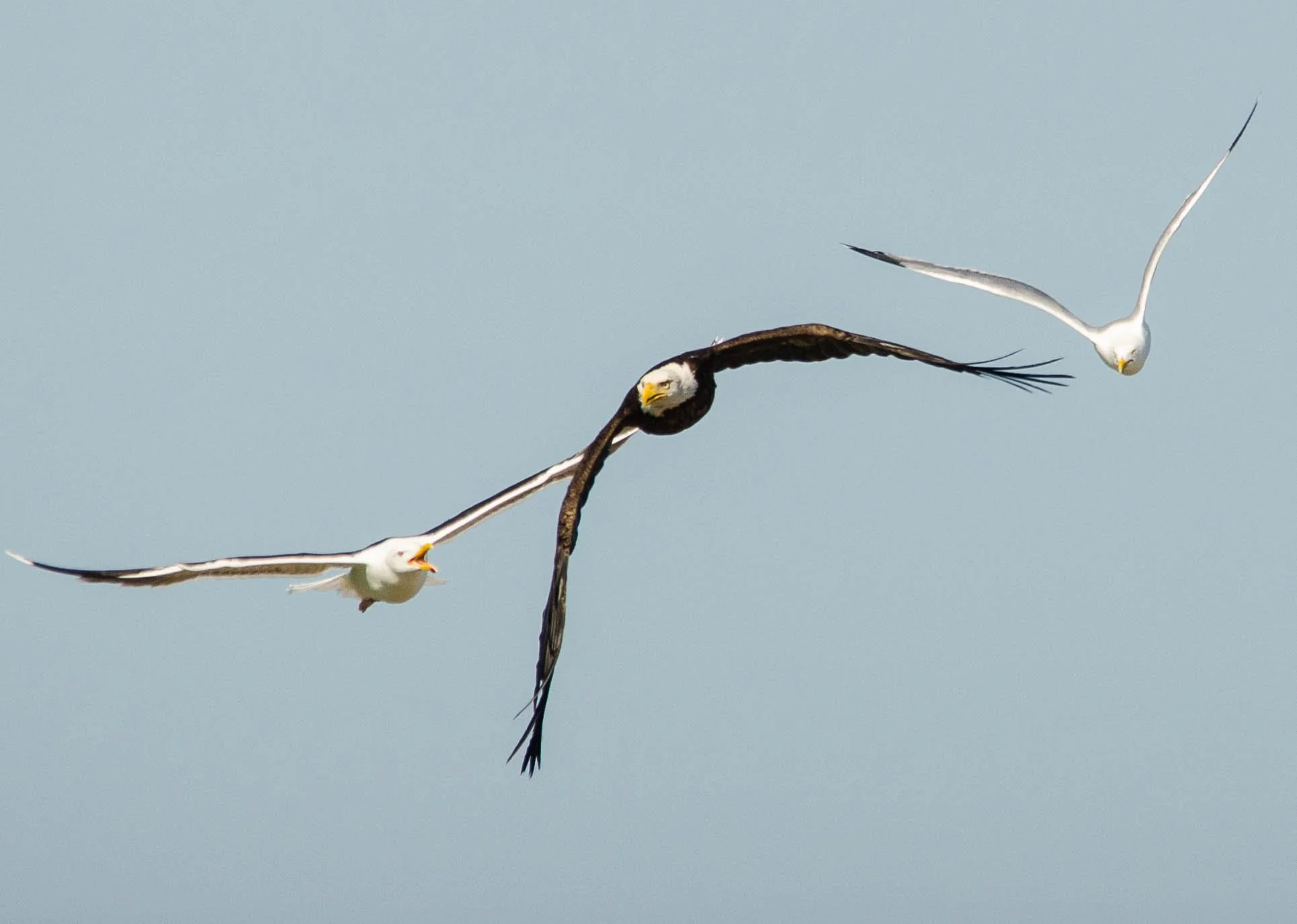
A Bald Eagle (Haliaeetus leucocephalus) being chased out of the nesting colony by an adult Great Black-backed Gull (Larus marinus) and an adult Herring Gull (Larus smithsonianus). Protective parents, gulls will actively chase away even much larger predators from their vulnerable young.

An Atlantic Puffin (Fratercula arctica) curising into the nesting colony in front of large swell off of coastal Maine.