Southcentral Alaska
Wildlife and wild places from the Anchorage area.
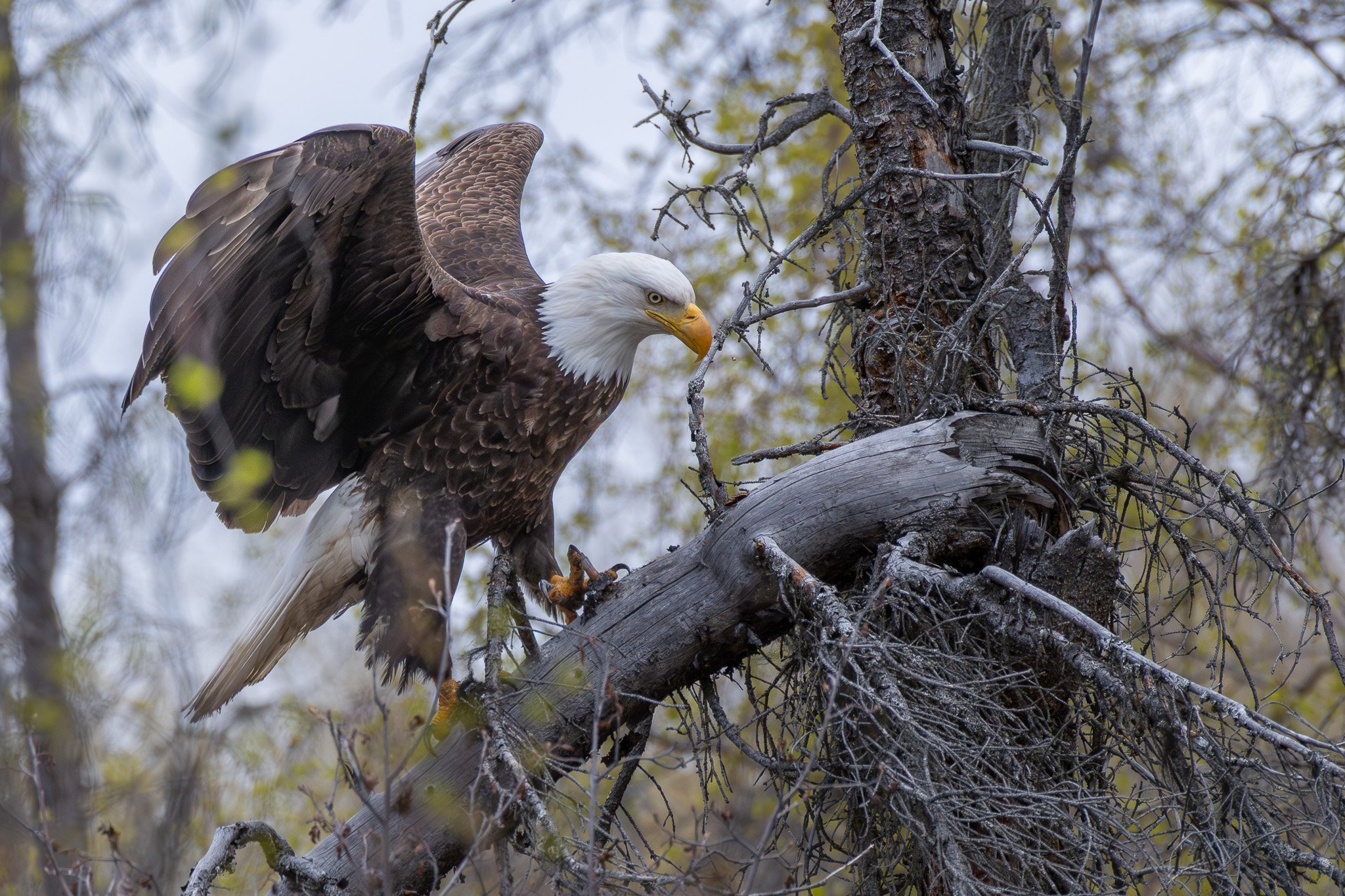
An adult bald eagle (Haliaeetus leucocephalus) surveys choice spruce limbs to “spruce” up its nest for the season.
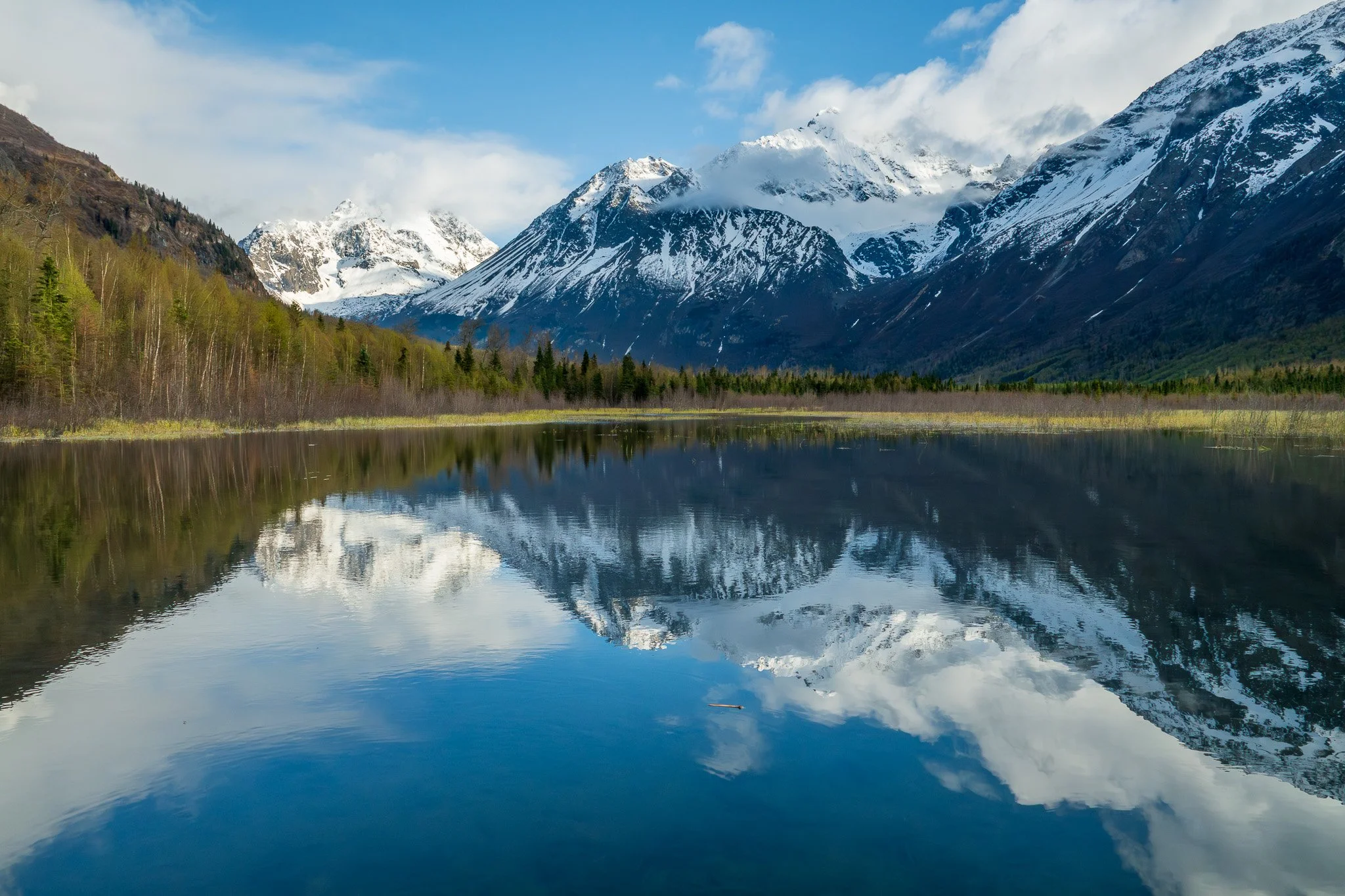
A rare, calm spring day showcases the reflections of towering mountains on beaver wetland (left to right: Polar Bear Peak, Raptor Peak, Eagle Peak, and Hurdy-Gurdy), in Eagle River, Alaska.
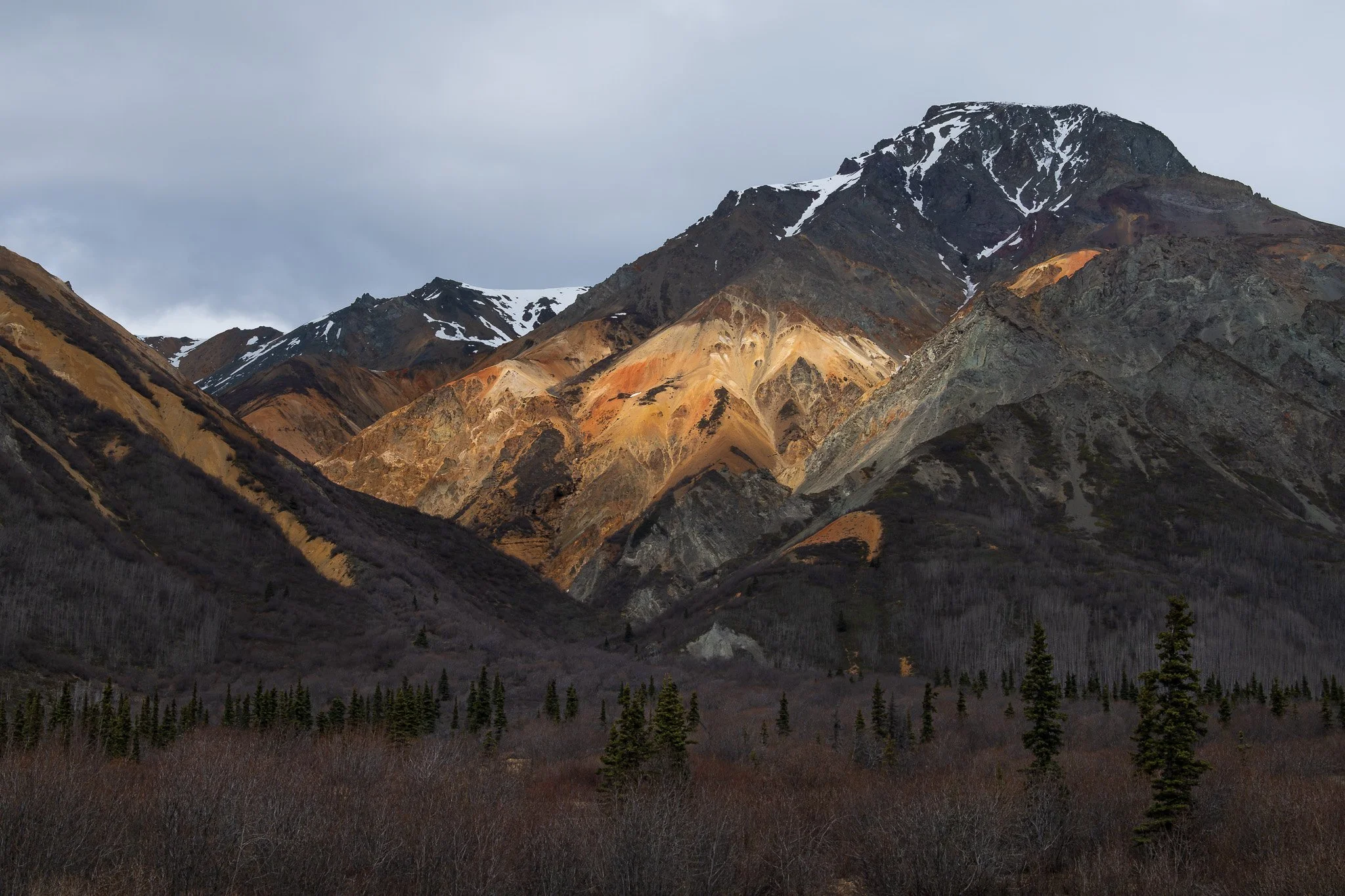
Sheep Mountain in the beautiful Alaska Range, iron deposits in the soil create the striking pops of orange against the dark rock of the mountains. Below, the landscape is transitions from forest to tundra.
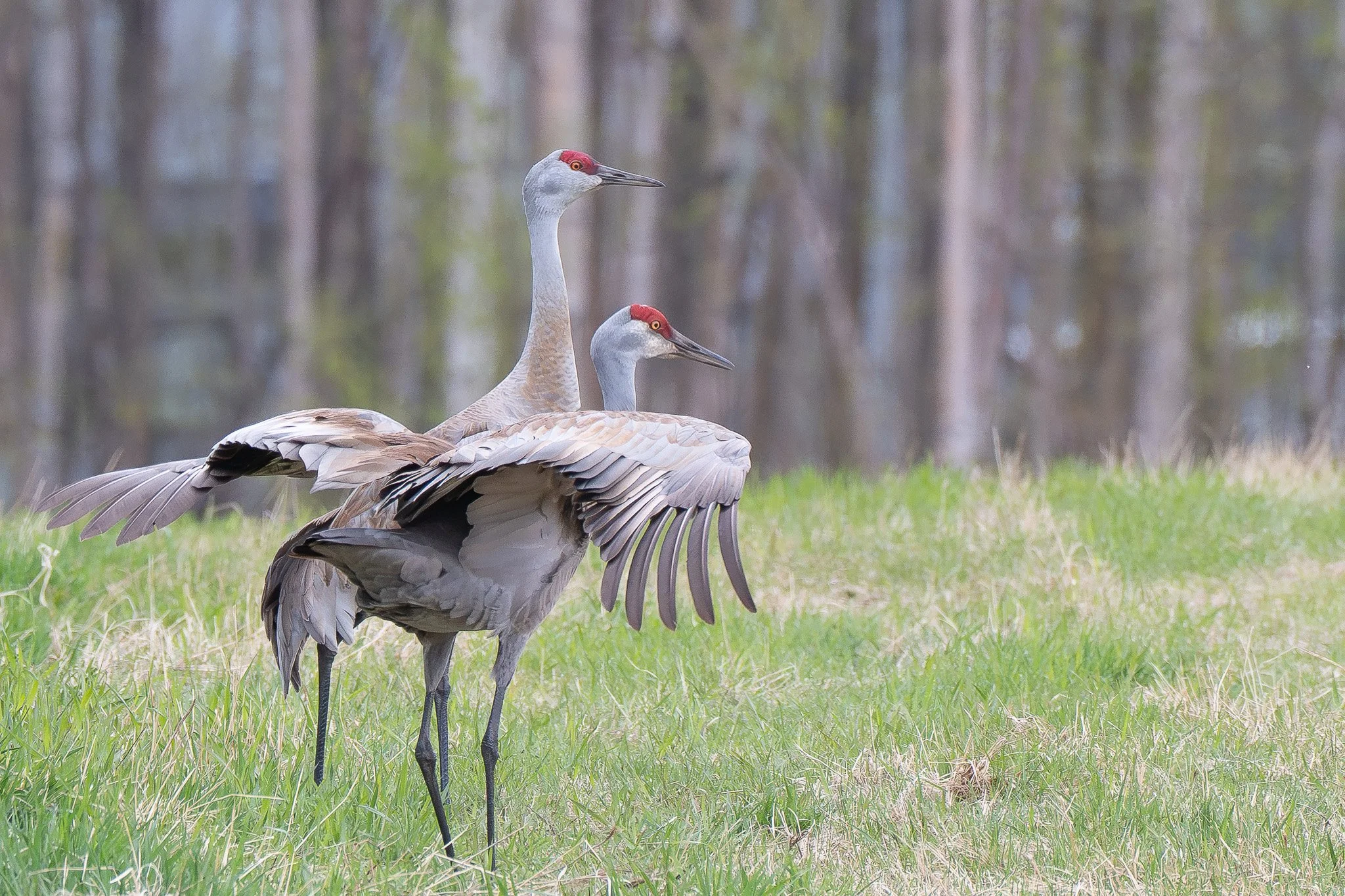
A mated pair of sandhill cranes (Grus canadensis) complete a dance together among early spring grasses.
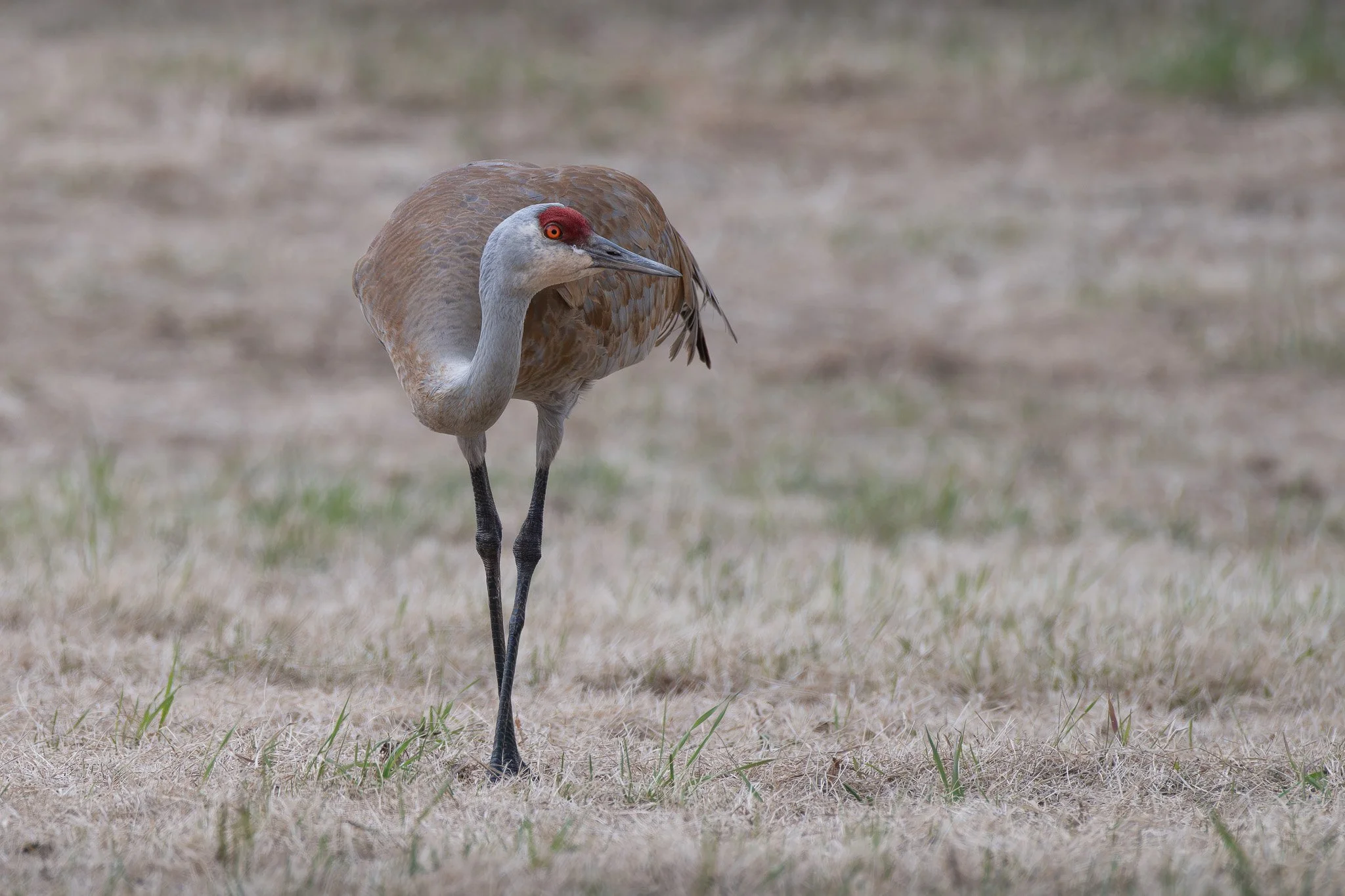
A male sandhill crane (Grus canadensis) forages for seeds among early spring grasses.
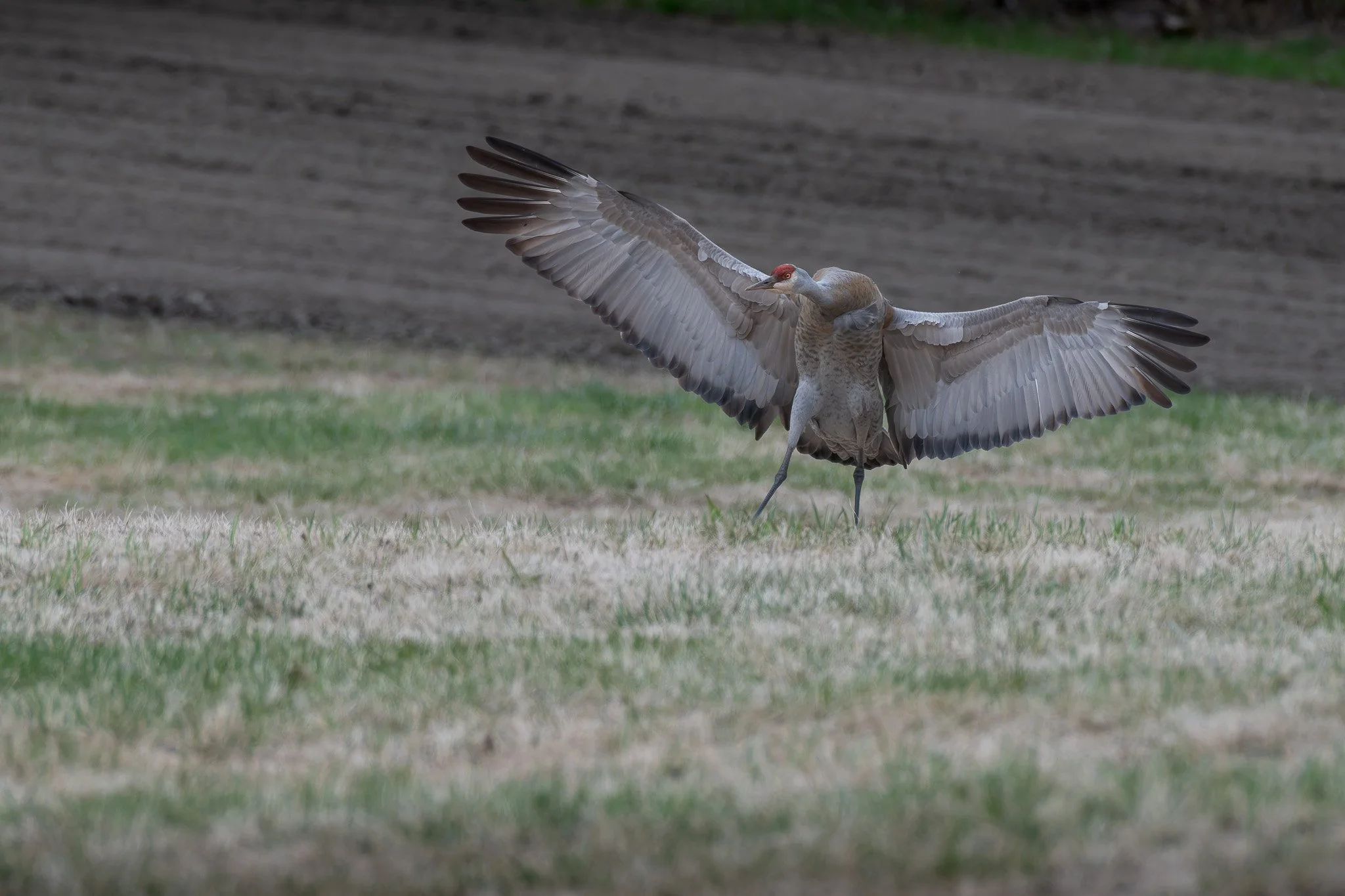
A male sandhill crane (Grus canadensis) comes in for a landing.
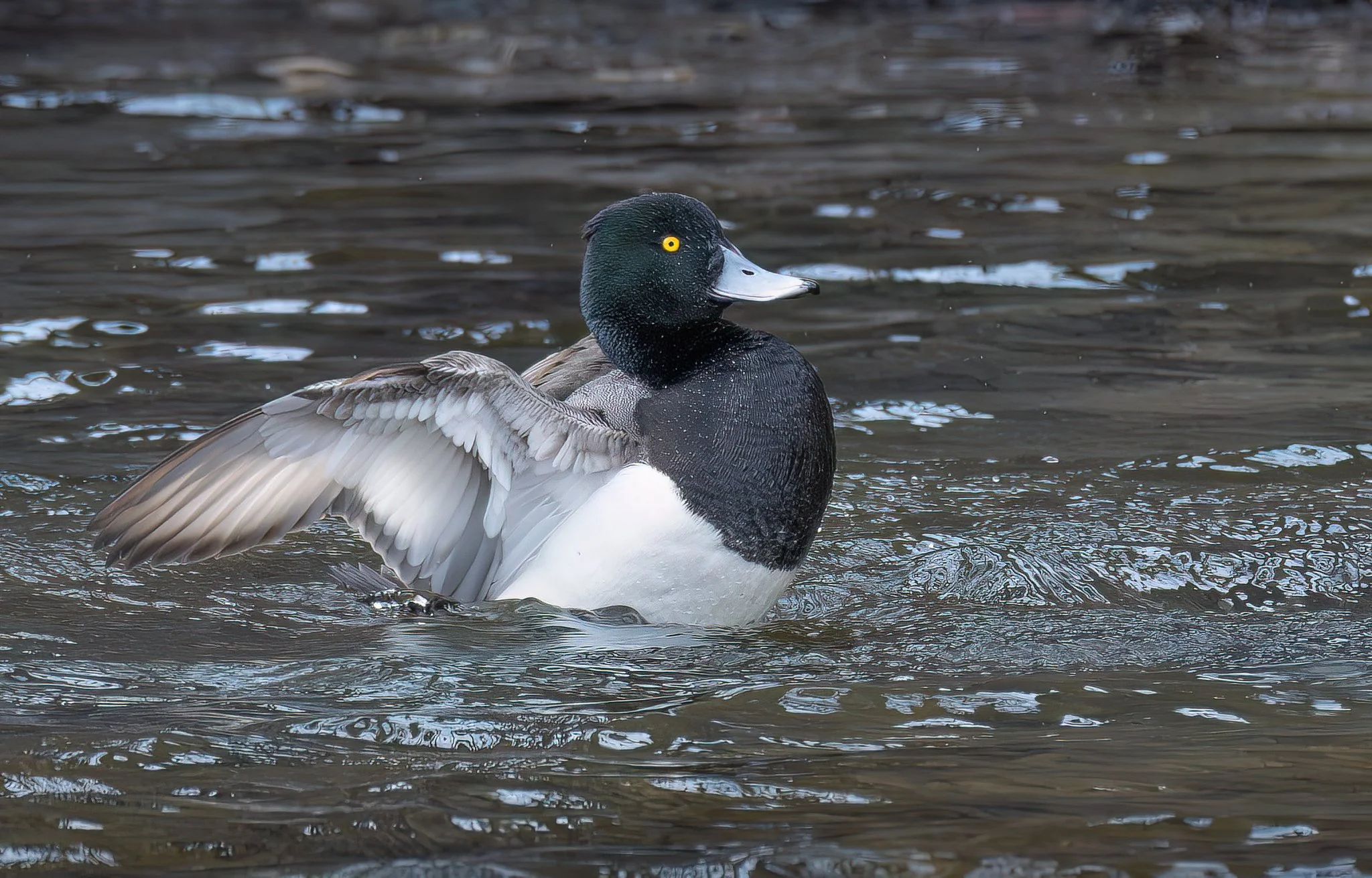
A male greater scaup (Aythya marila) flaps his wings in a mating display.
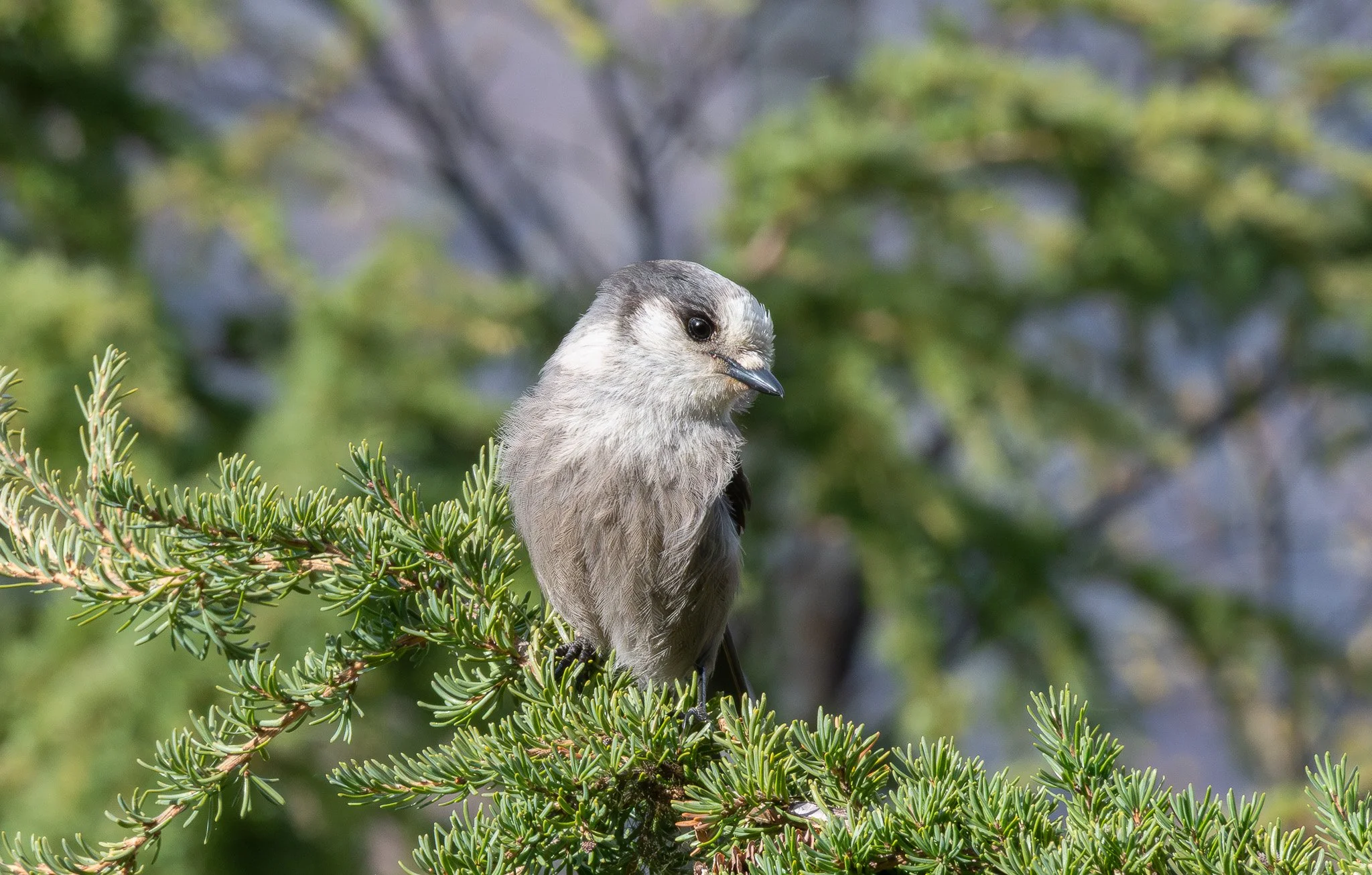
A Canada jay (Perisoreus canadensis), also known as a grey jay or whisky jack, perches in late evening sun on an outstretched spruce limb.
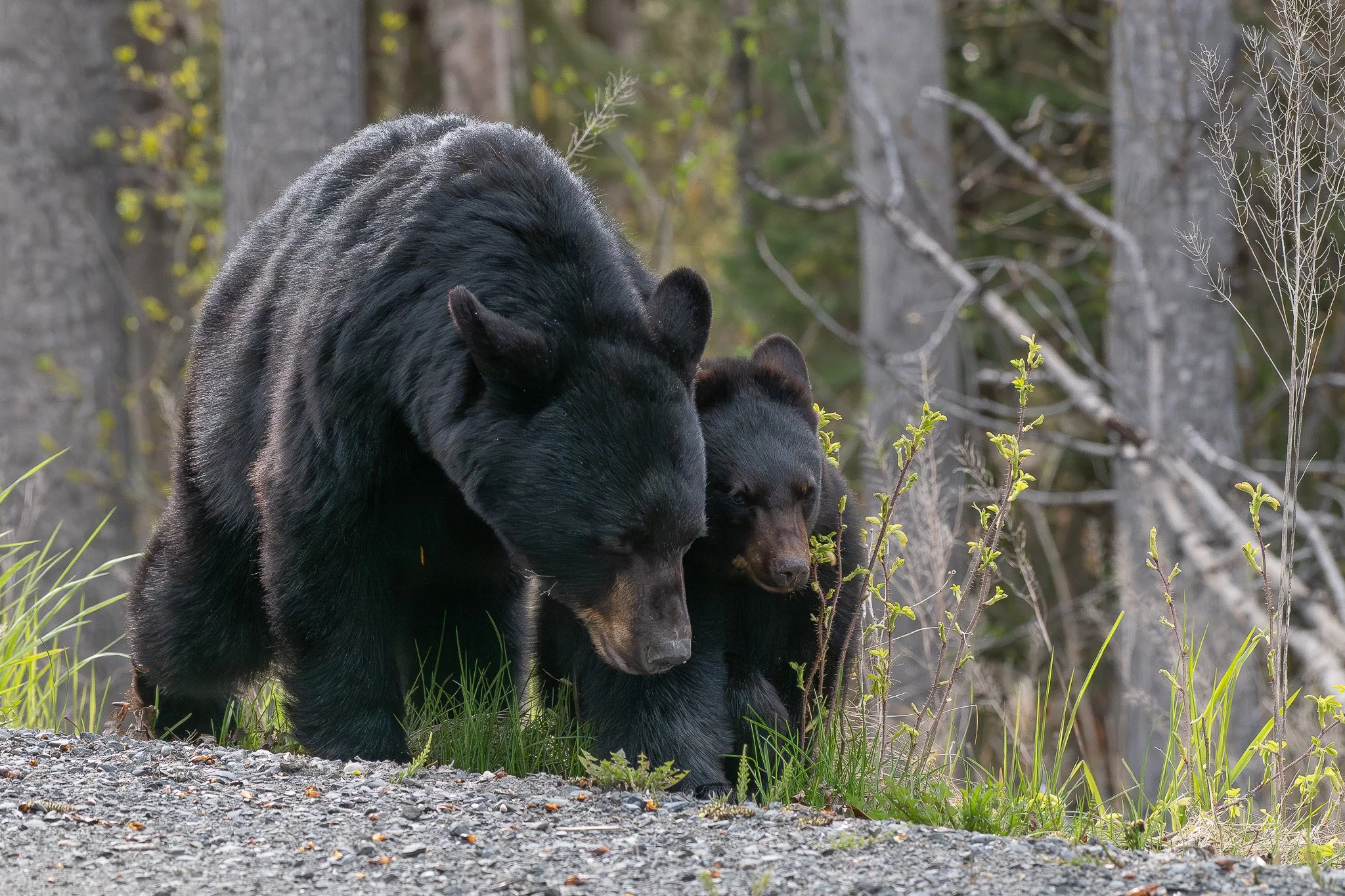
A mother black bear (Ursus americanus) teaches her cubs how to forage for early spring greens.
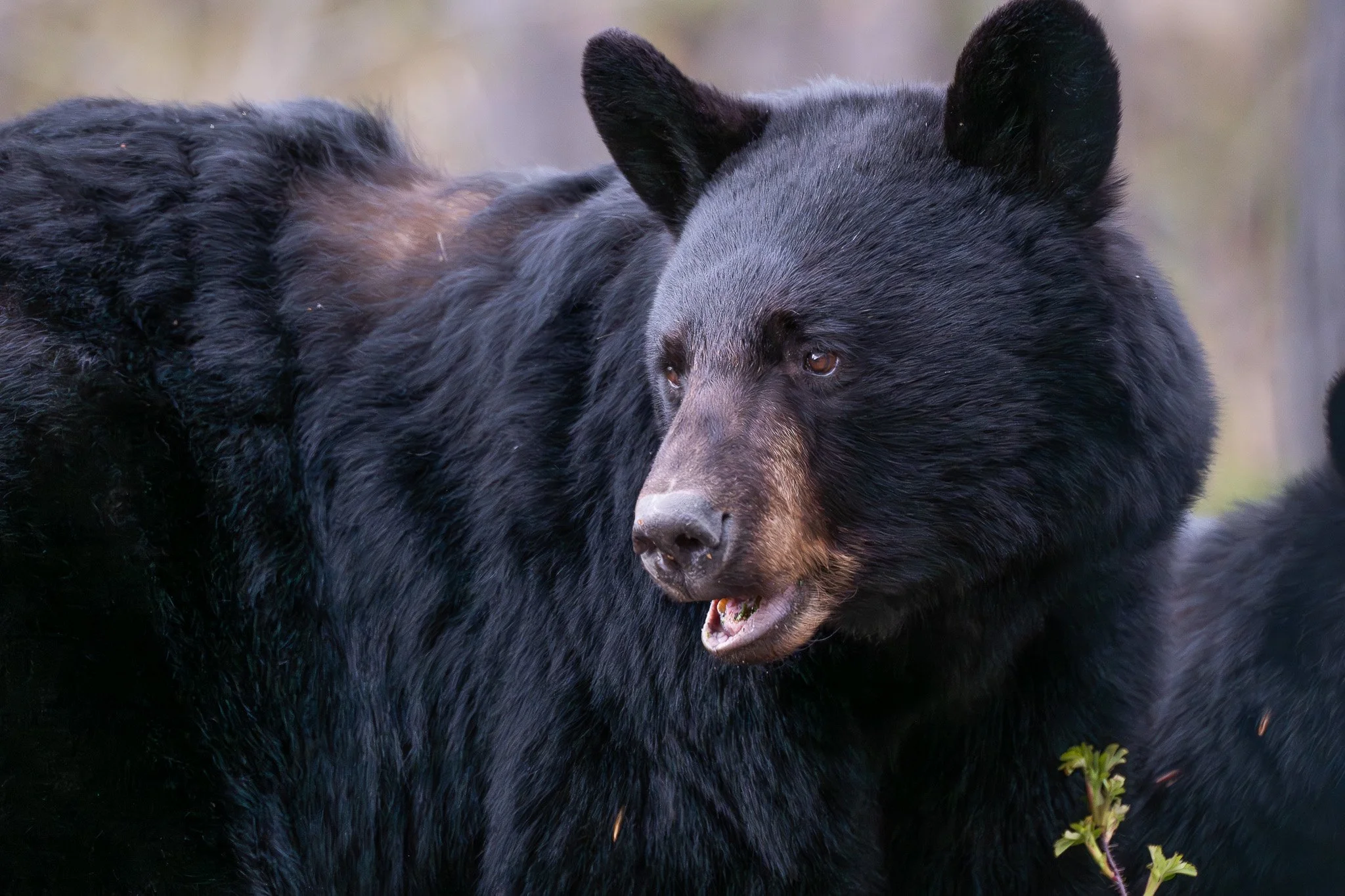
A female black bear (Ursus americanus) catches the morning light.
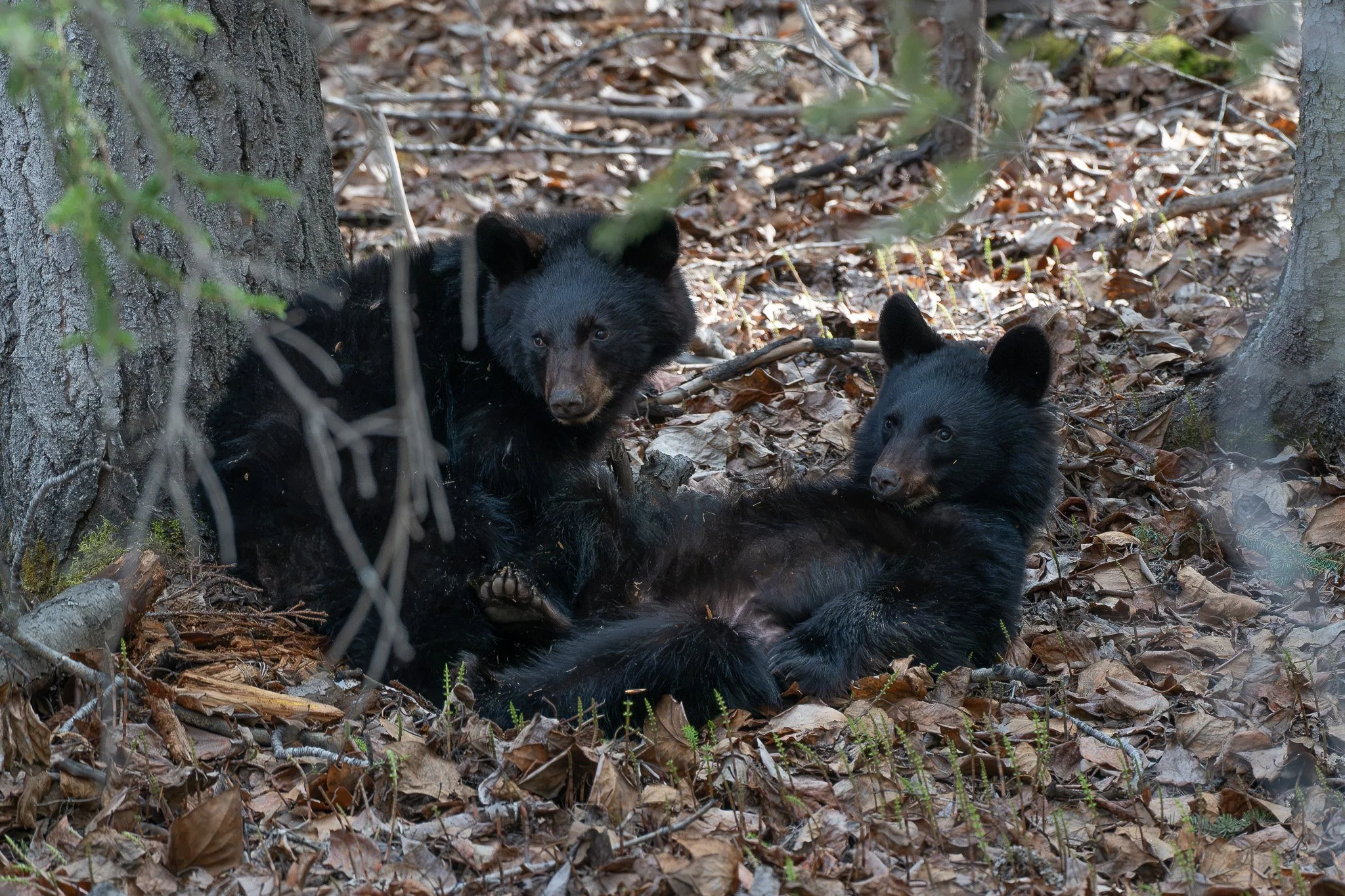
Two second year black bear cubs (Ursus americanus) wrestle among leaf litter, keeping an eye on mum.
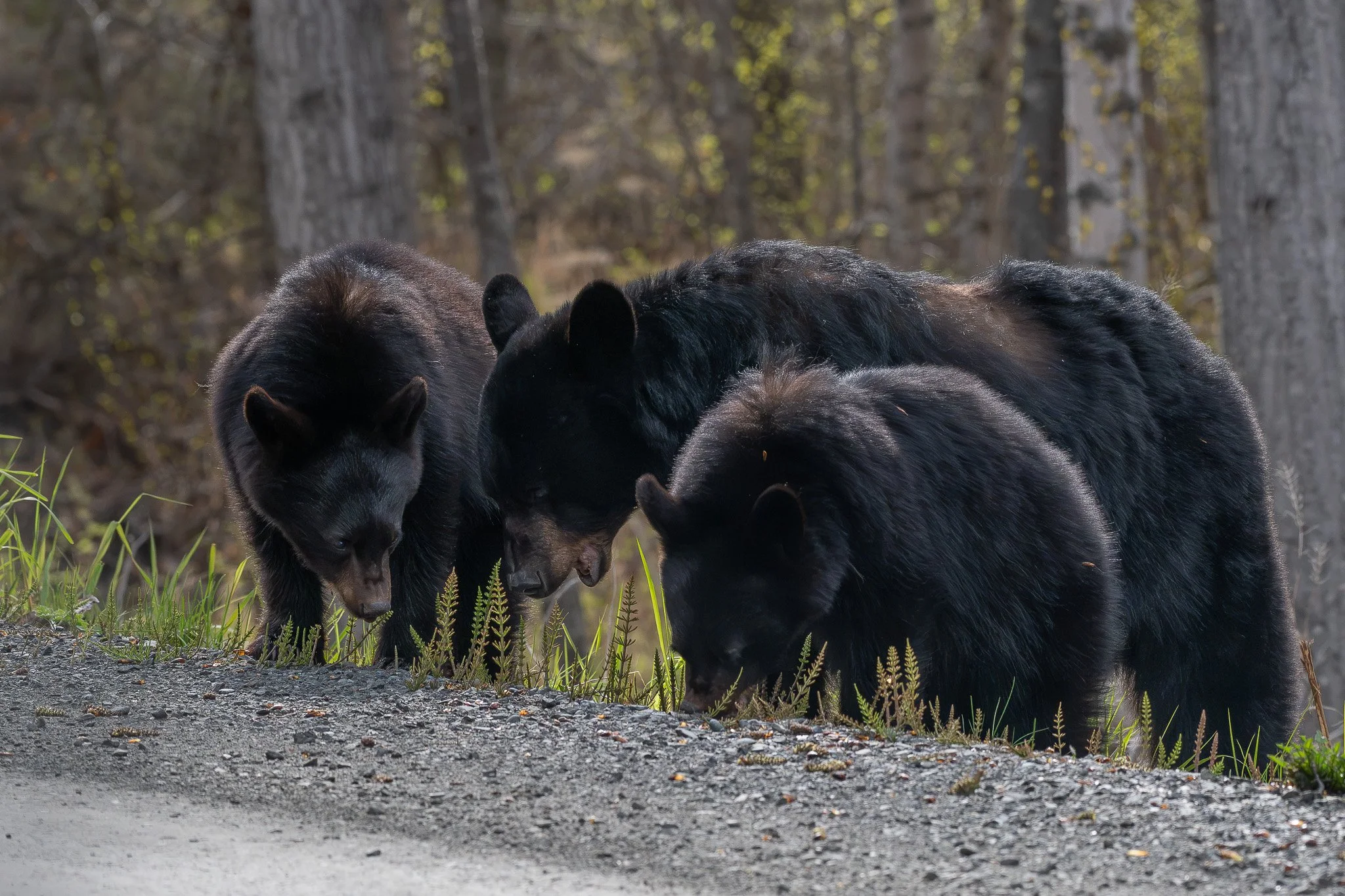
A mother black bear (Ursus americanus) teaches her cubs how to forage for early spring greens.
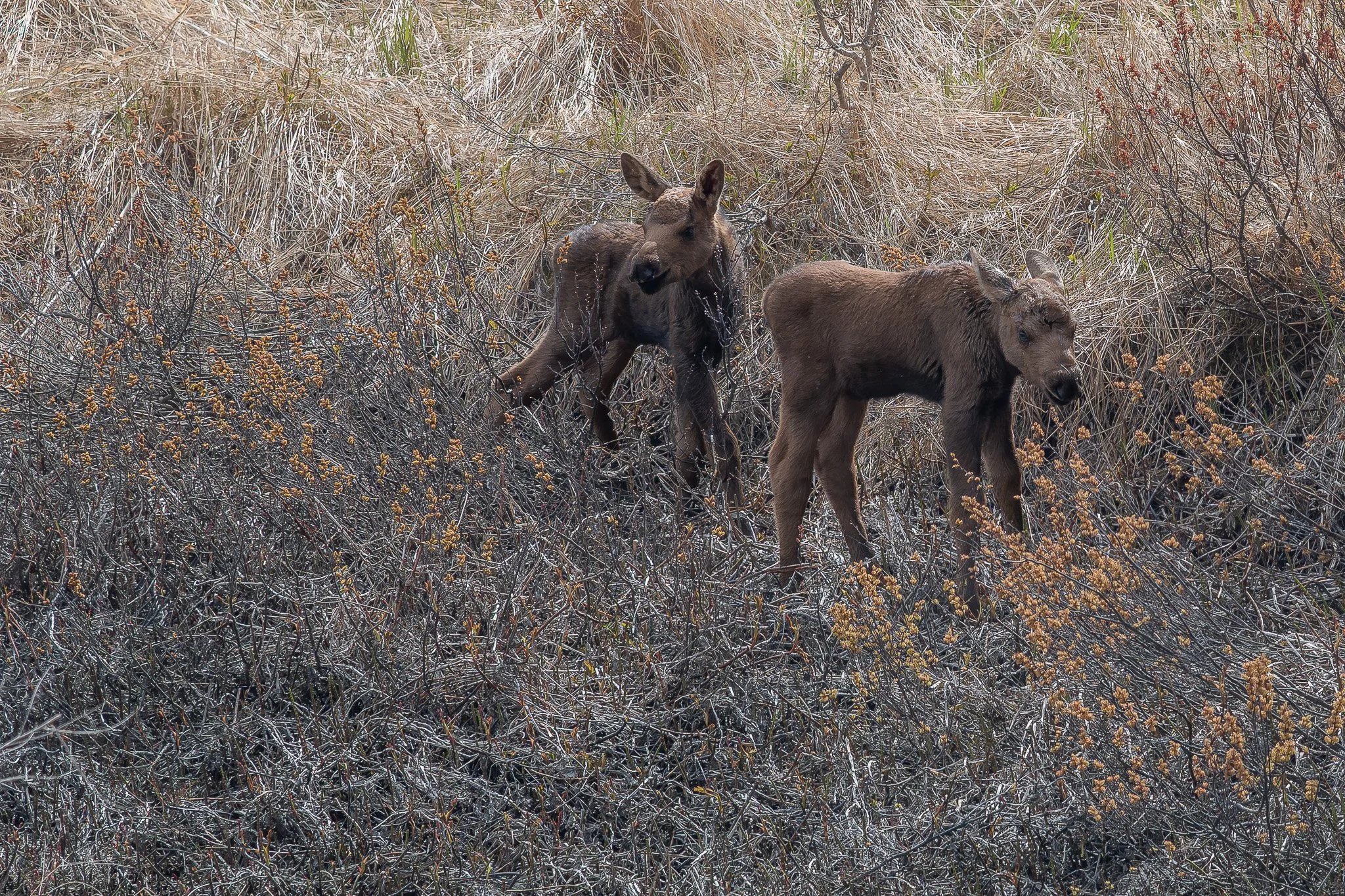
Two young Yukon moose calves (Alces alces gigas) forage among fresh spring growth.
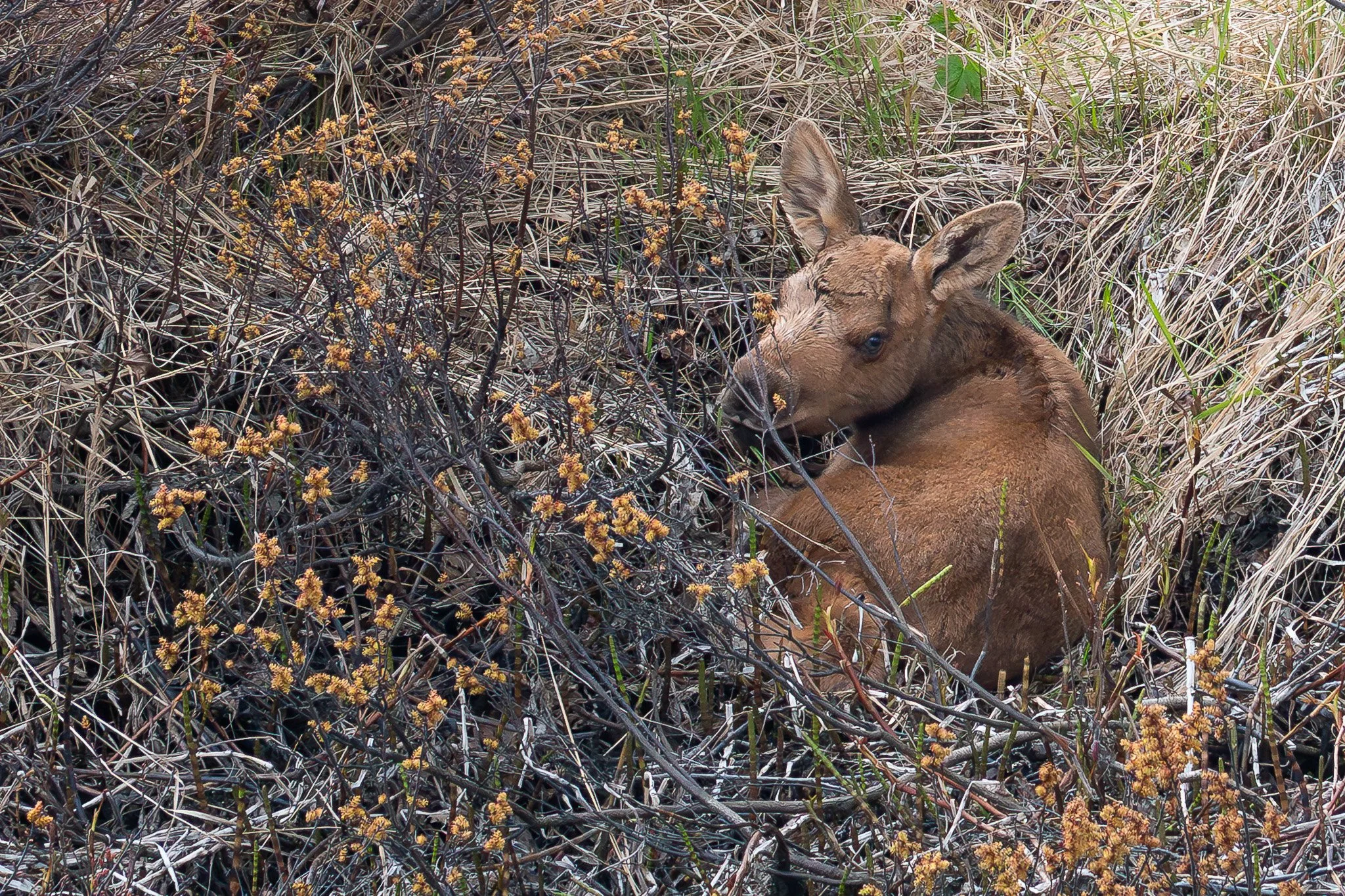
A newly born Yukon moose (Alces alces gigas) dozes among spring growth.
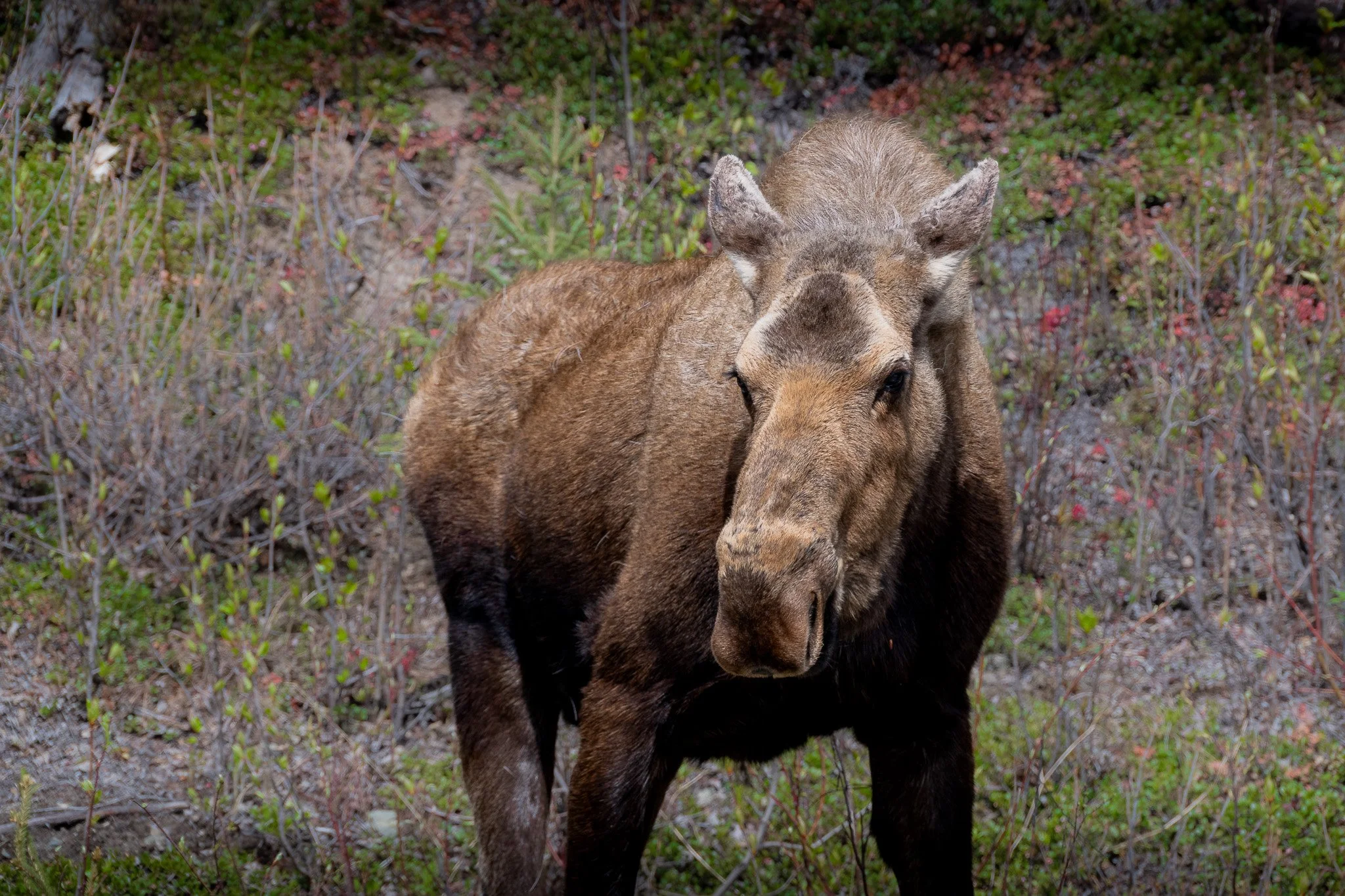
A female Yukon moose (Alces alces gigas) pauses among spring foliage.
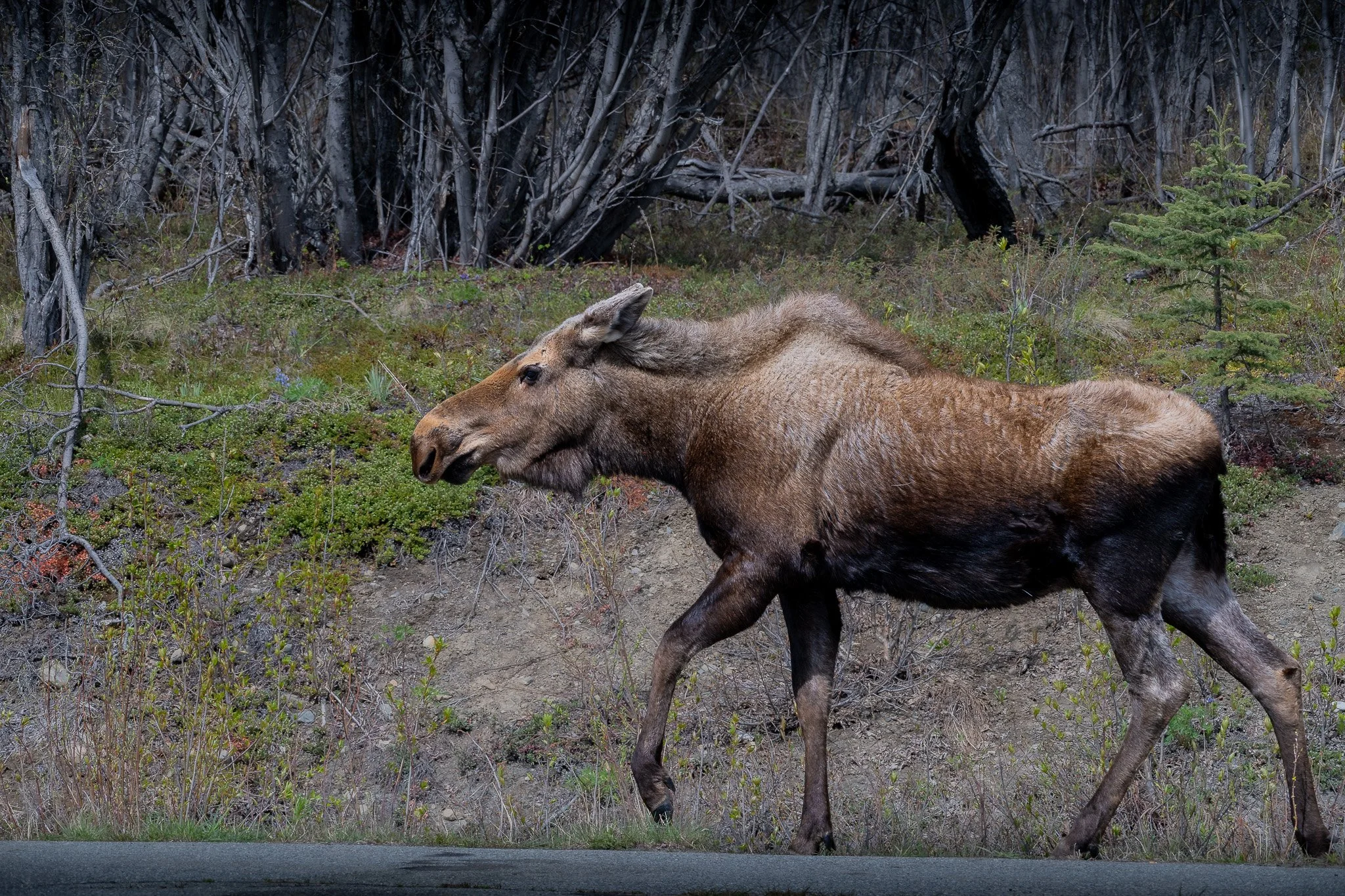
A Yukon moose (Alces alces gigas) traverses a roadside, showing off her considerable size. Yukon moose are the largest moose sub species found in North America.
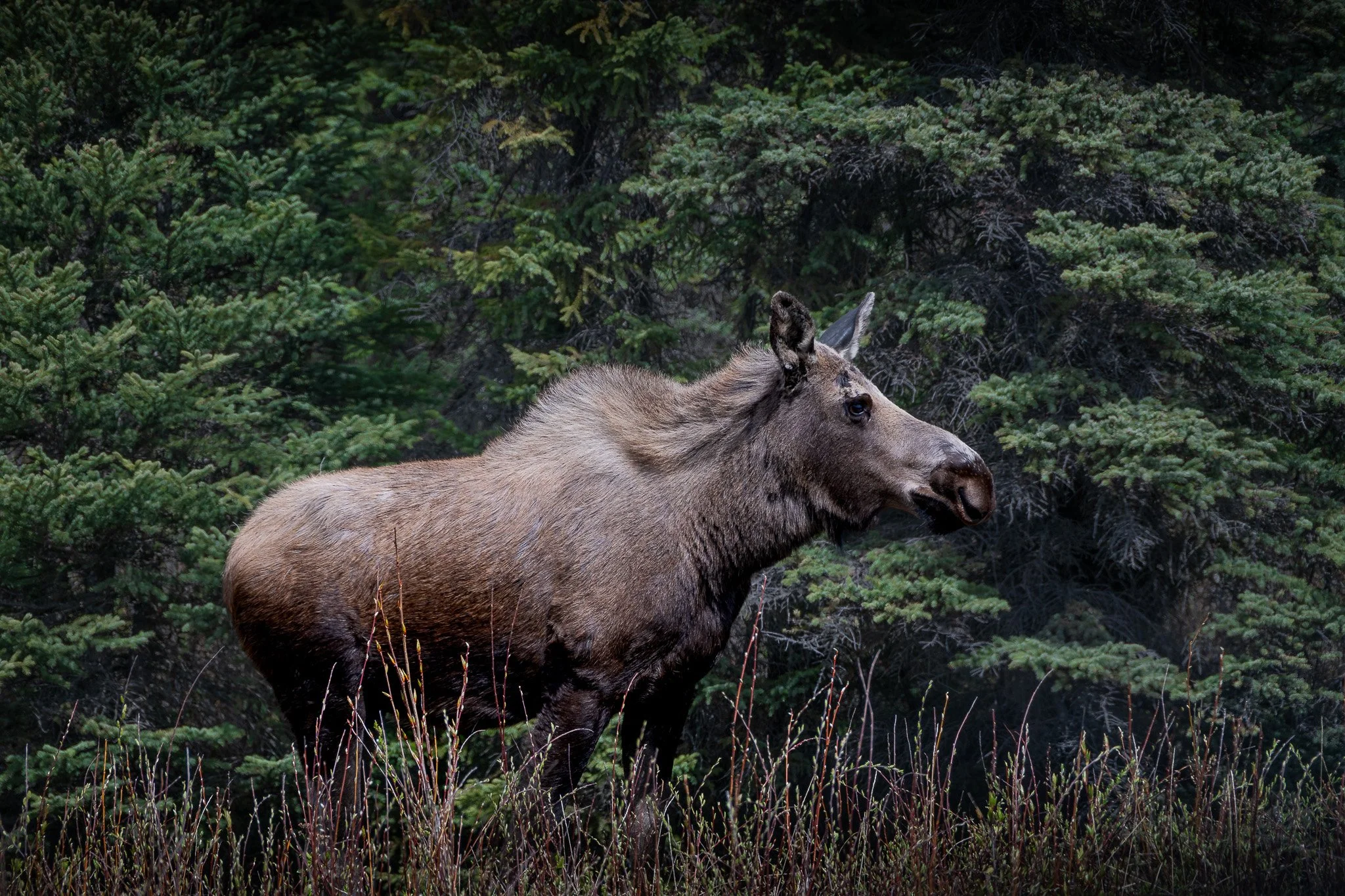
A Yukon moose (Alces alces gigas) pauses while foraging among spring willows.
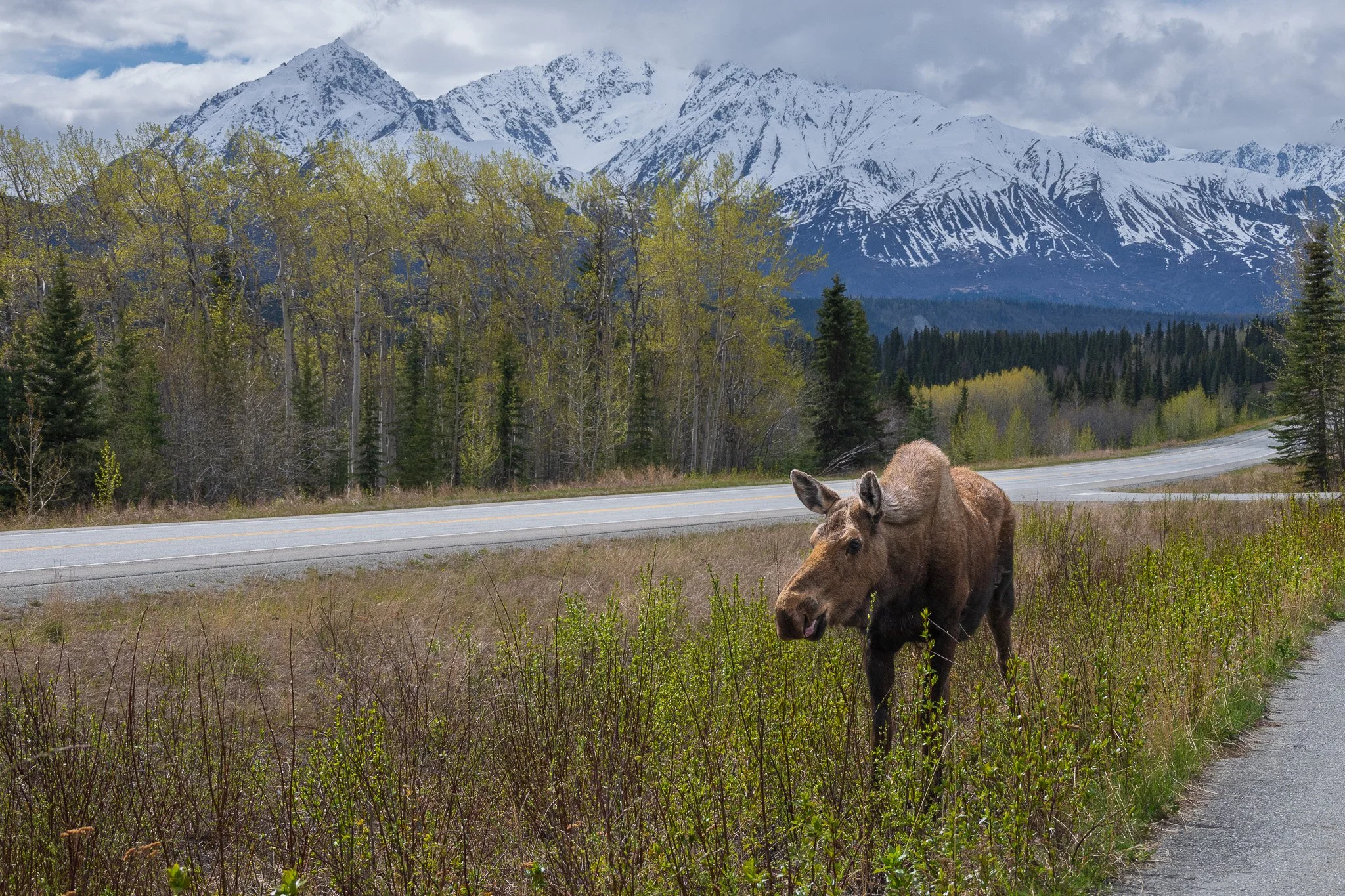
A Yukon moose (Alces alces gigas) forages along the Glenn Highway north of Anchorage in the shadow of the towering Chugach range.
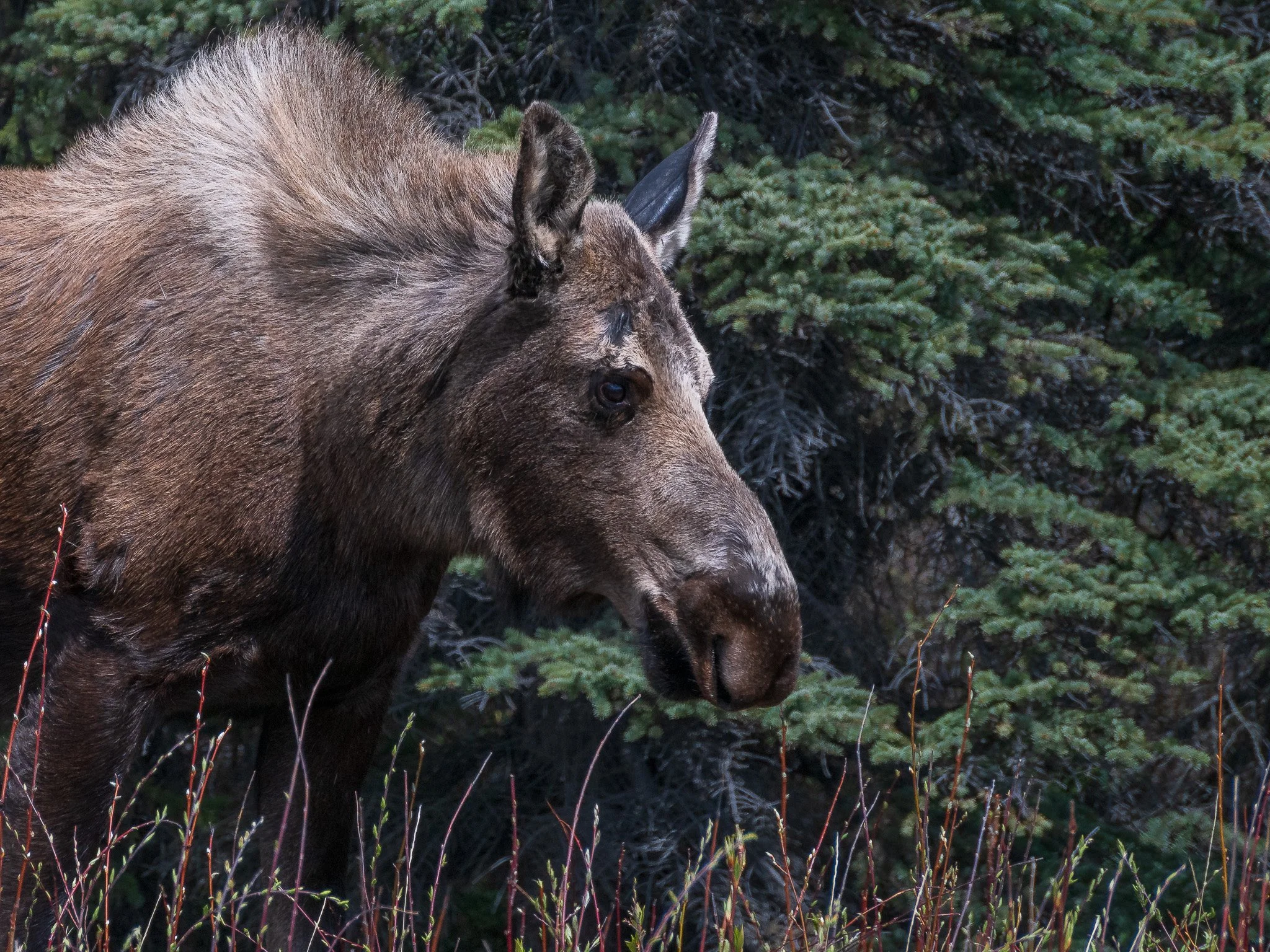
A Yukon moose (Alces alces gigas) forages among the spring willows north of Anchorage.
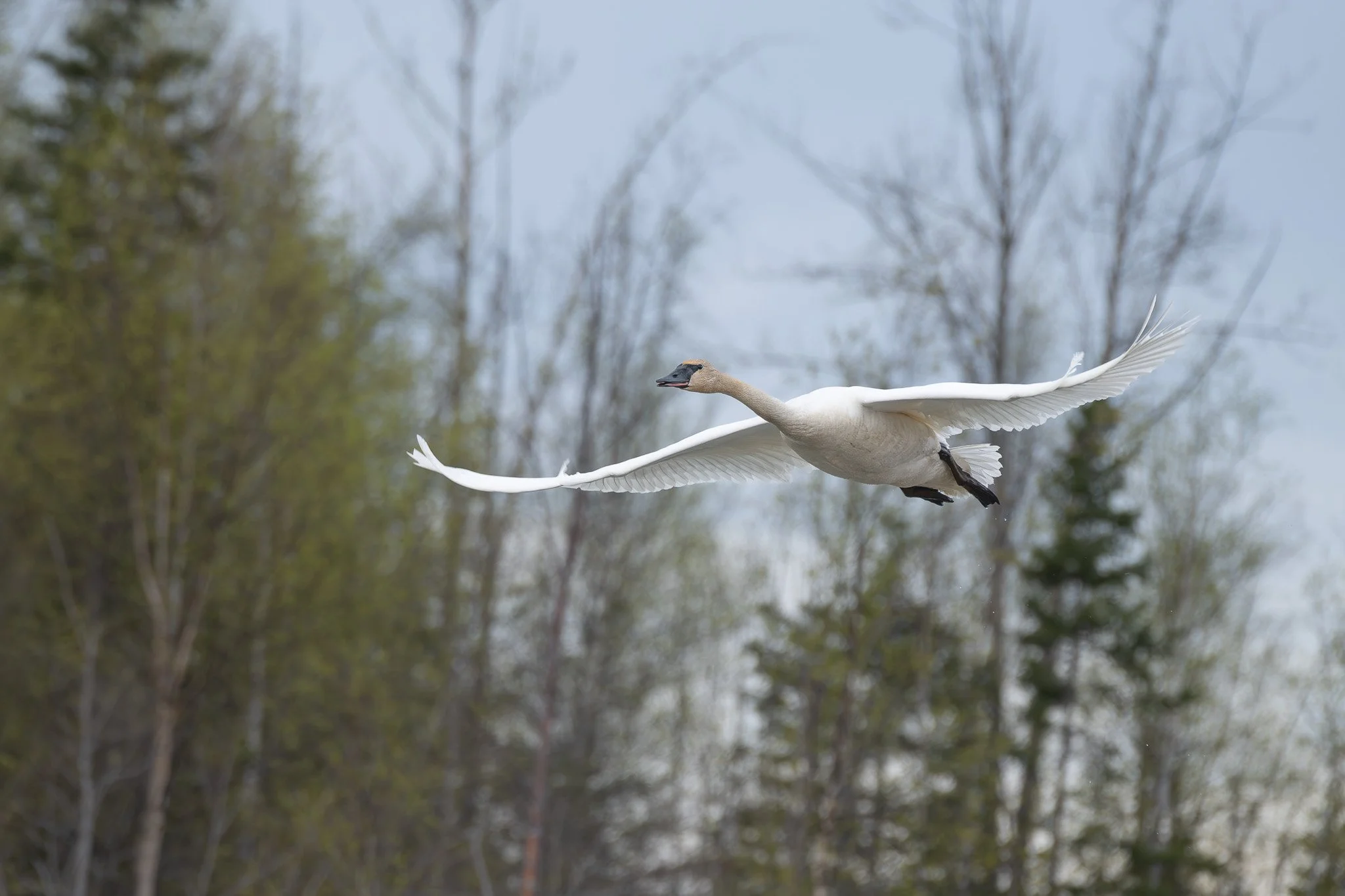
A trumpeter swan (Cygnus buccinator) passes through on its way to its summer nesting grounds.
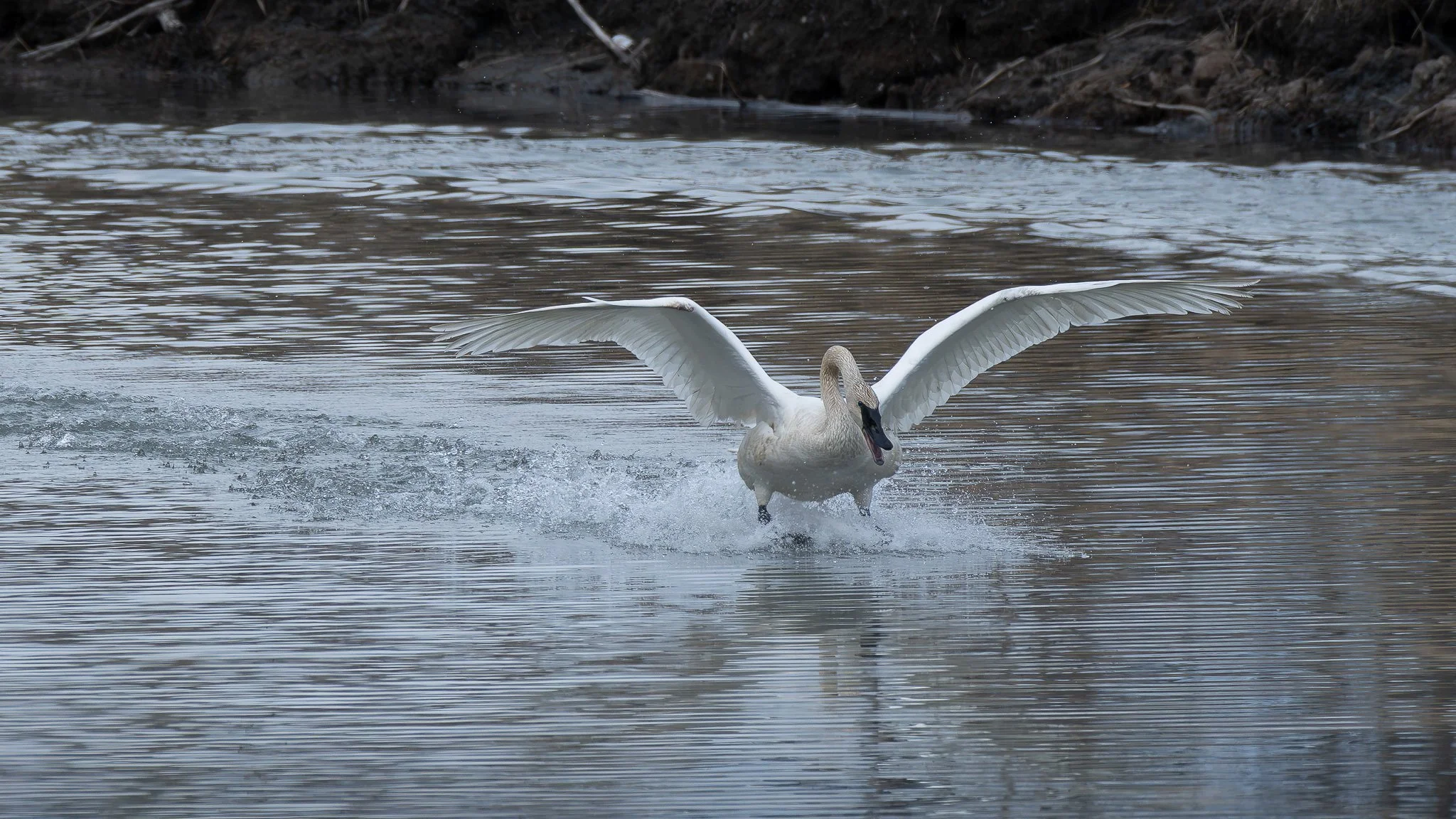
A trumpeter swan (Cygnus buccinator) comes in for a landing on freshly thawed marsh waters.
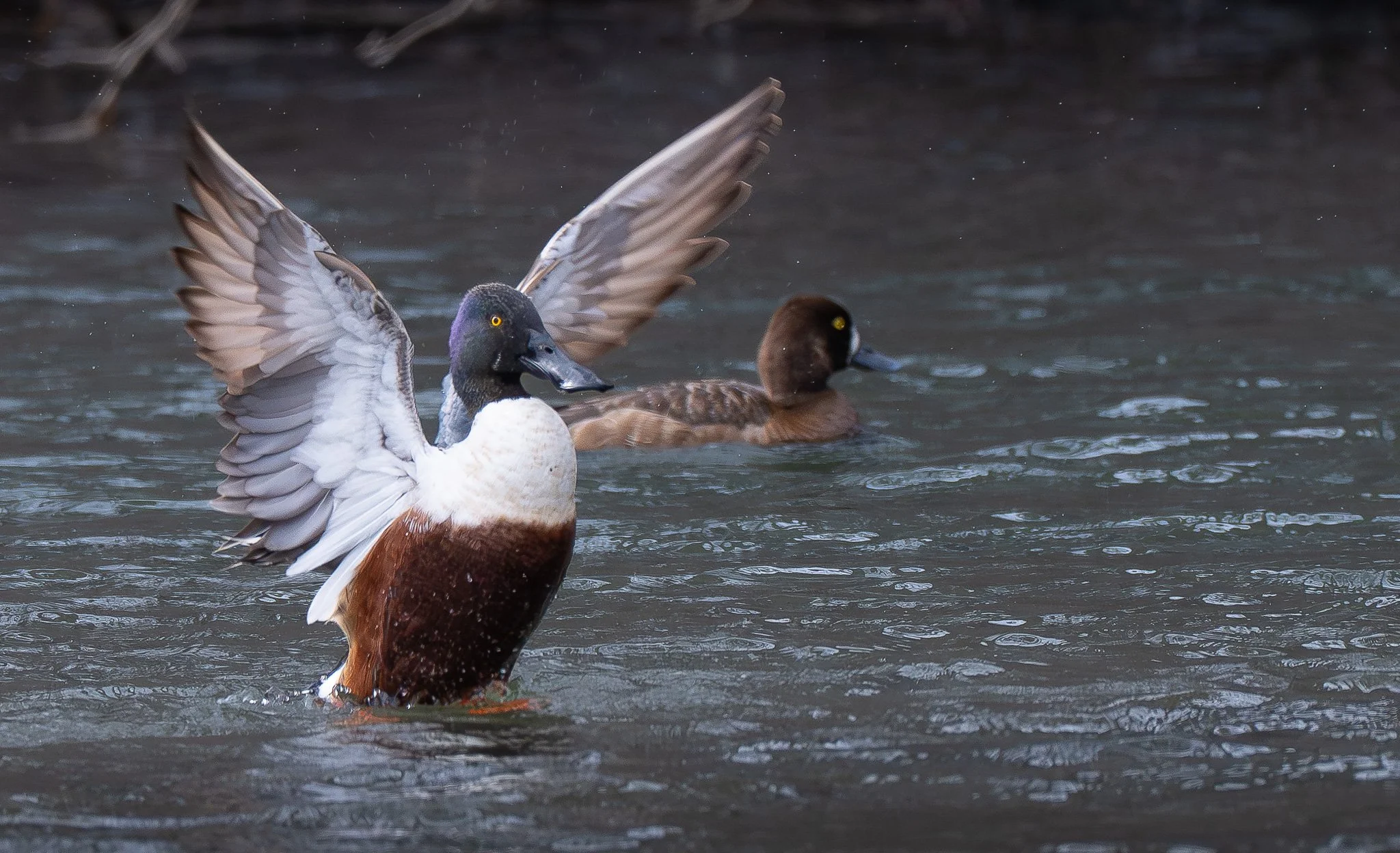
A male northern shoveler (Anas clypeata) stretches his wings in overcast light after a long rain.
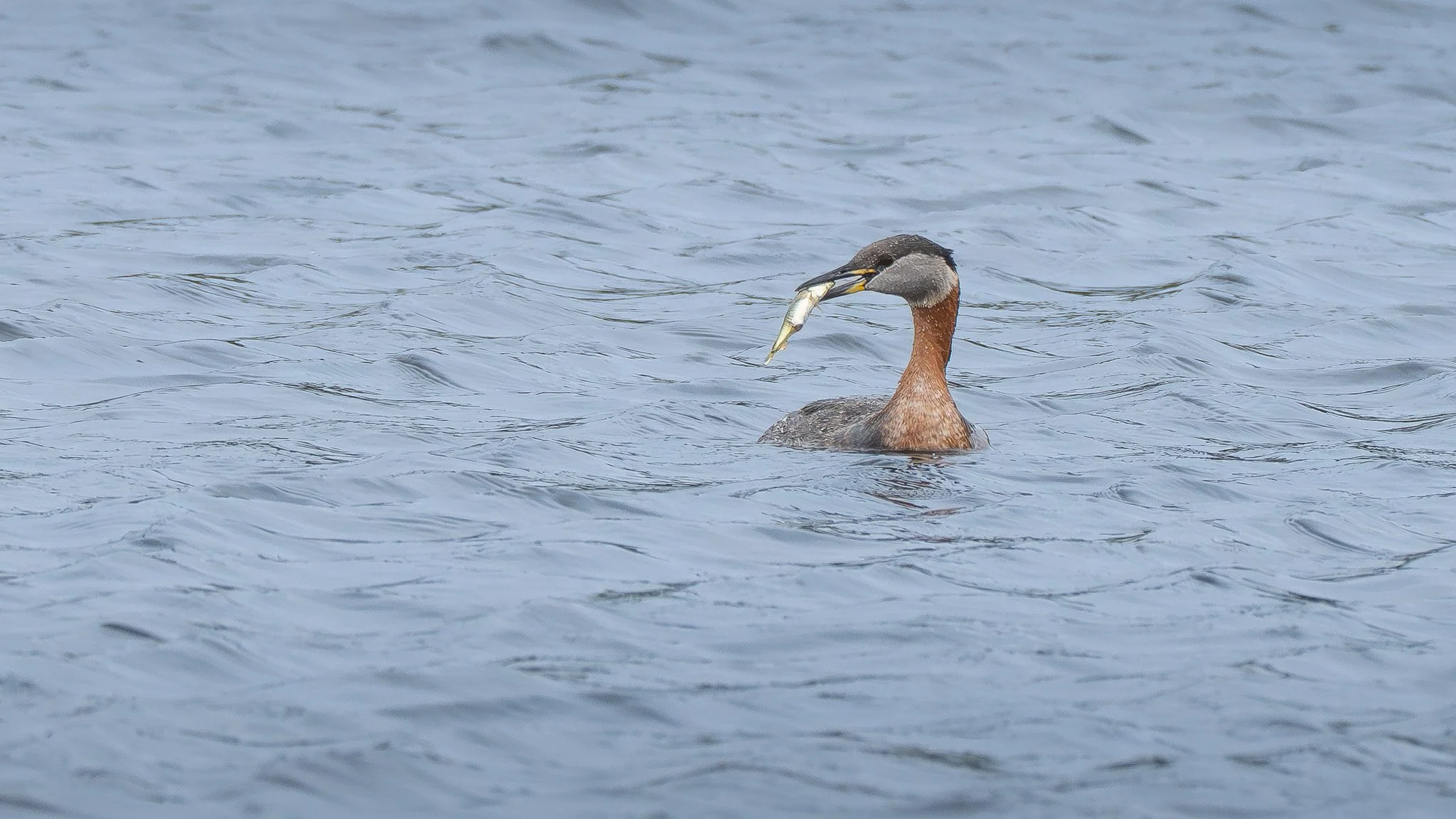
A red-necked grebe (Podiceps grisegena) hunts in newly-thawed salt marsh.
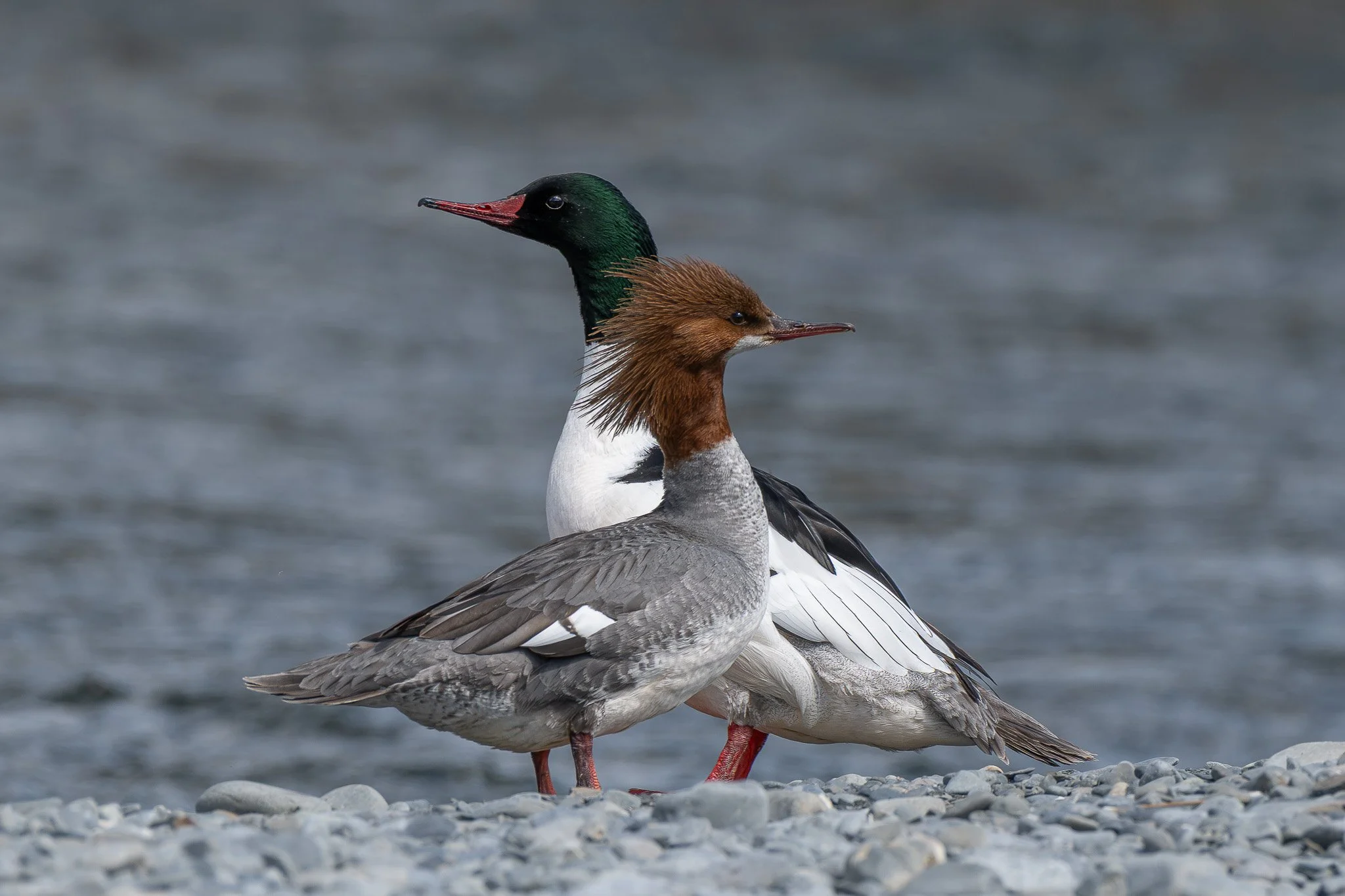
Two common mergansers (Mergus merganser) rest along the banks of the Kenai River, showing their clear sexual dimorphism in plumage (female front, male rear).
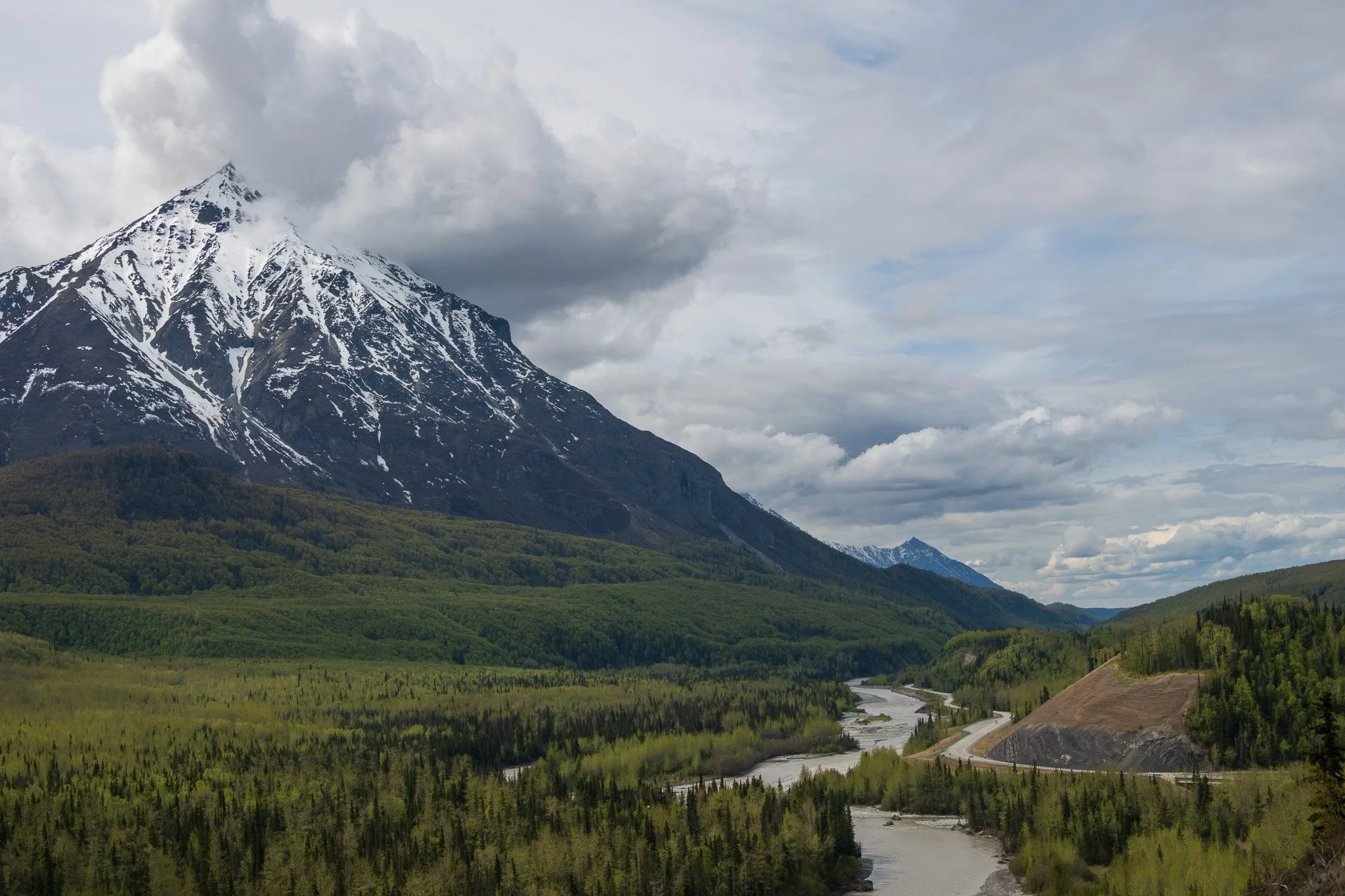
King Mountain, a distinctive peak in the Chugach Range, towers over the Matanuska River and Glenn Highway below.
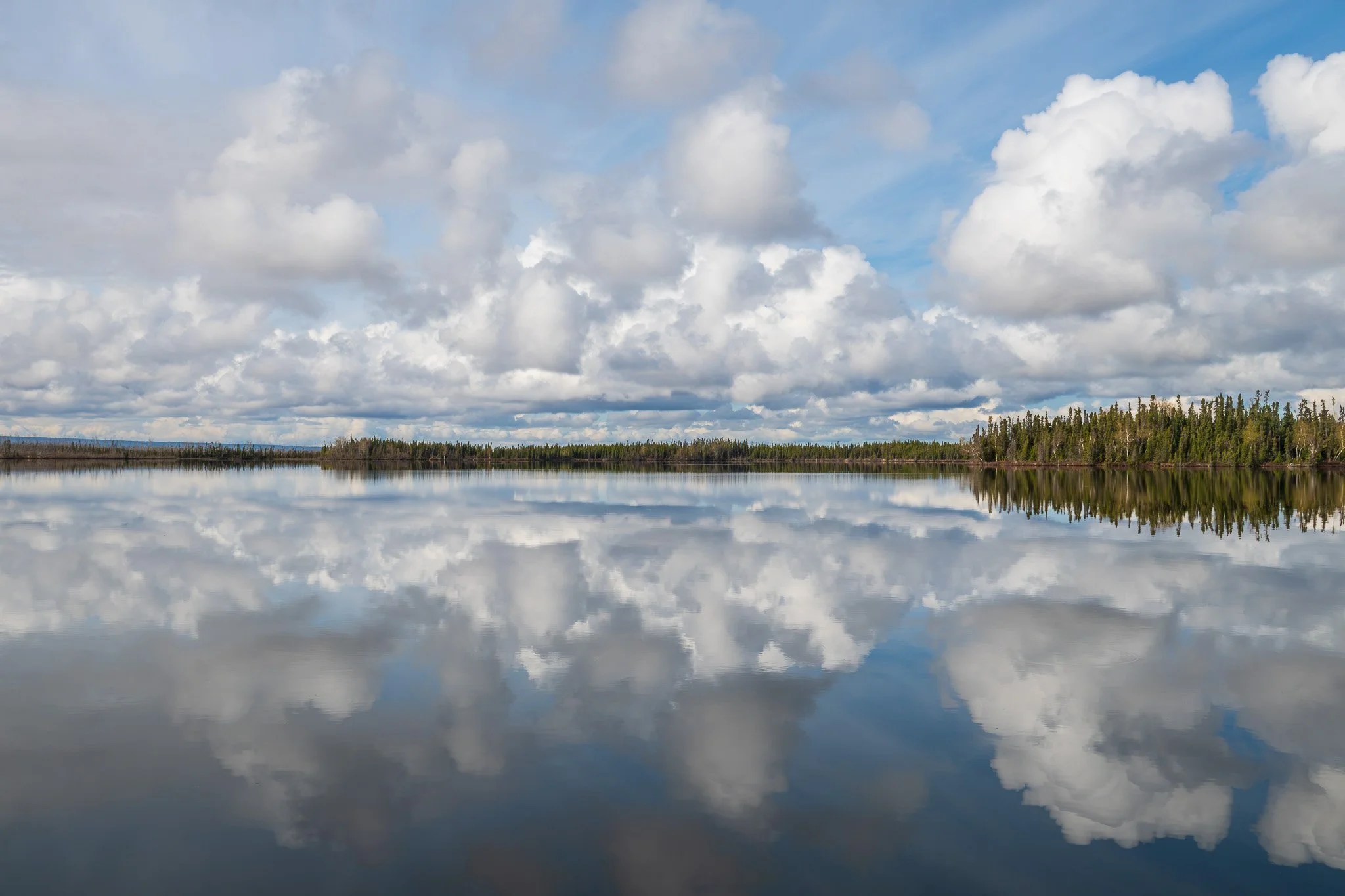
Still waters create beautiful reflections in this still lake on the Kenai Peninsula.
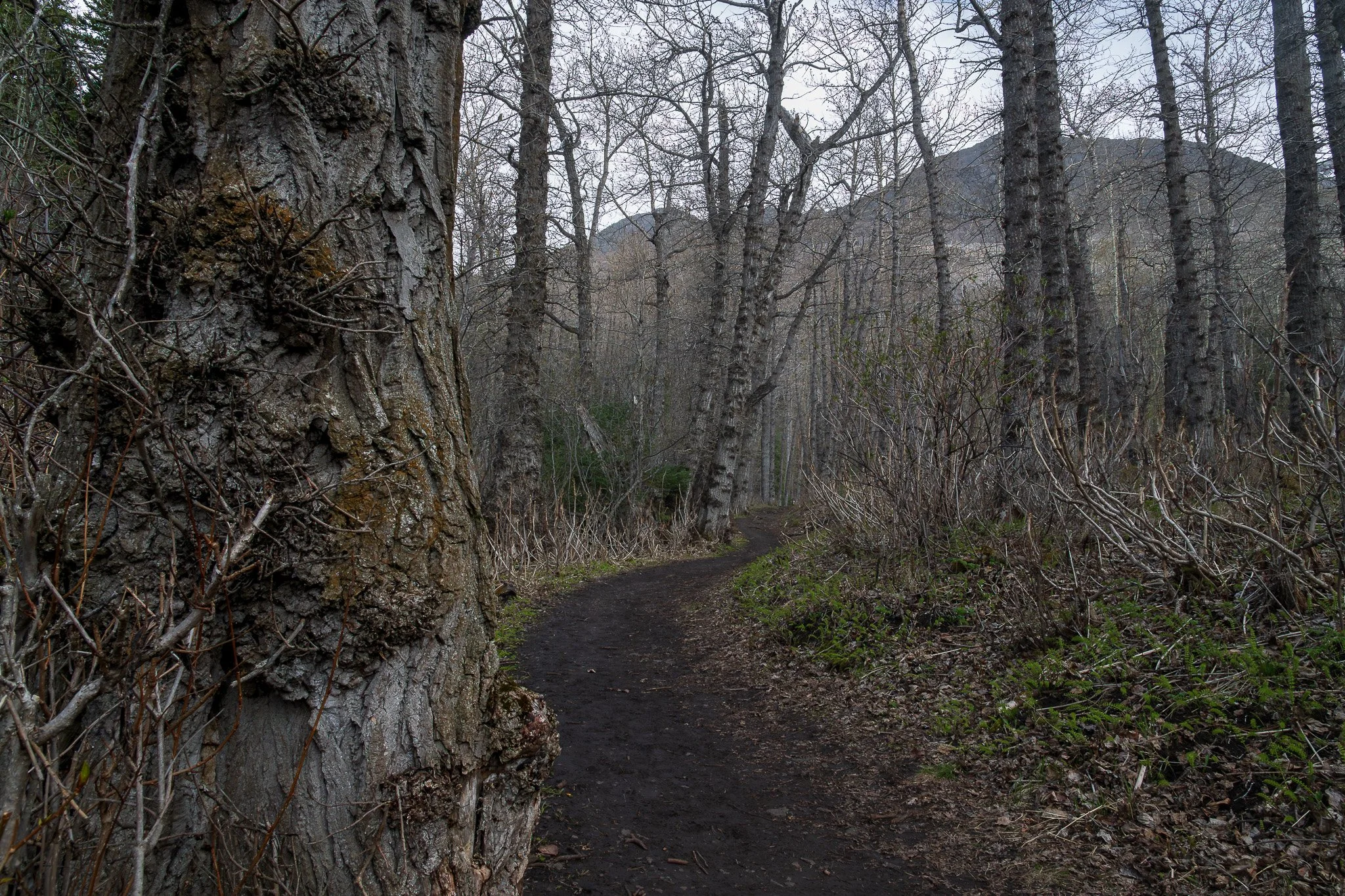
Tall black cottonwoods (Populus trichocarpa) create an inviting tunnel trailside.
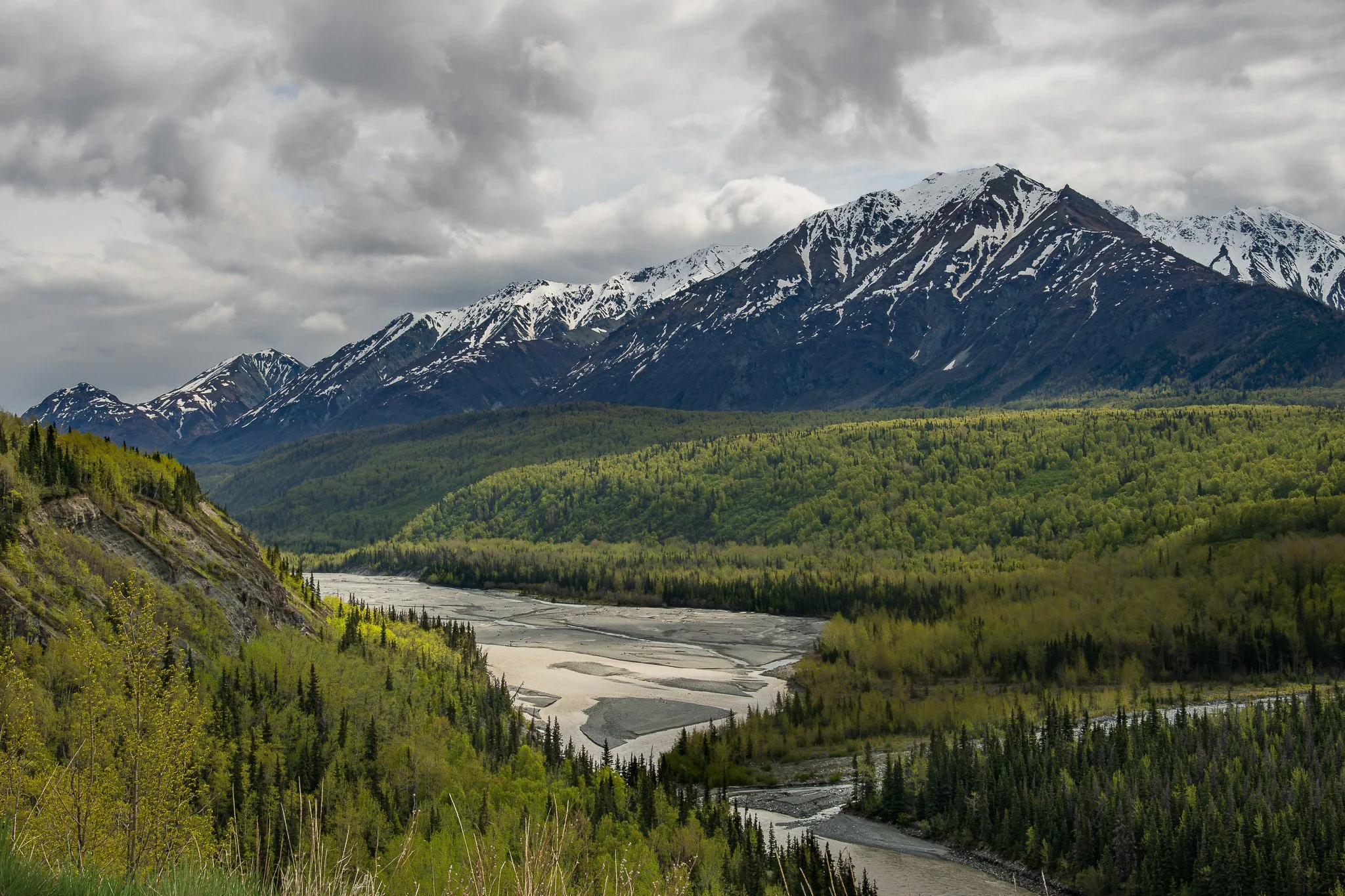
The Matanuska River Valley filled with stunning braided rivers below the Chugach Range.
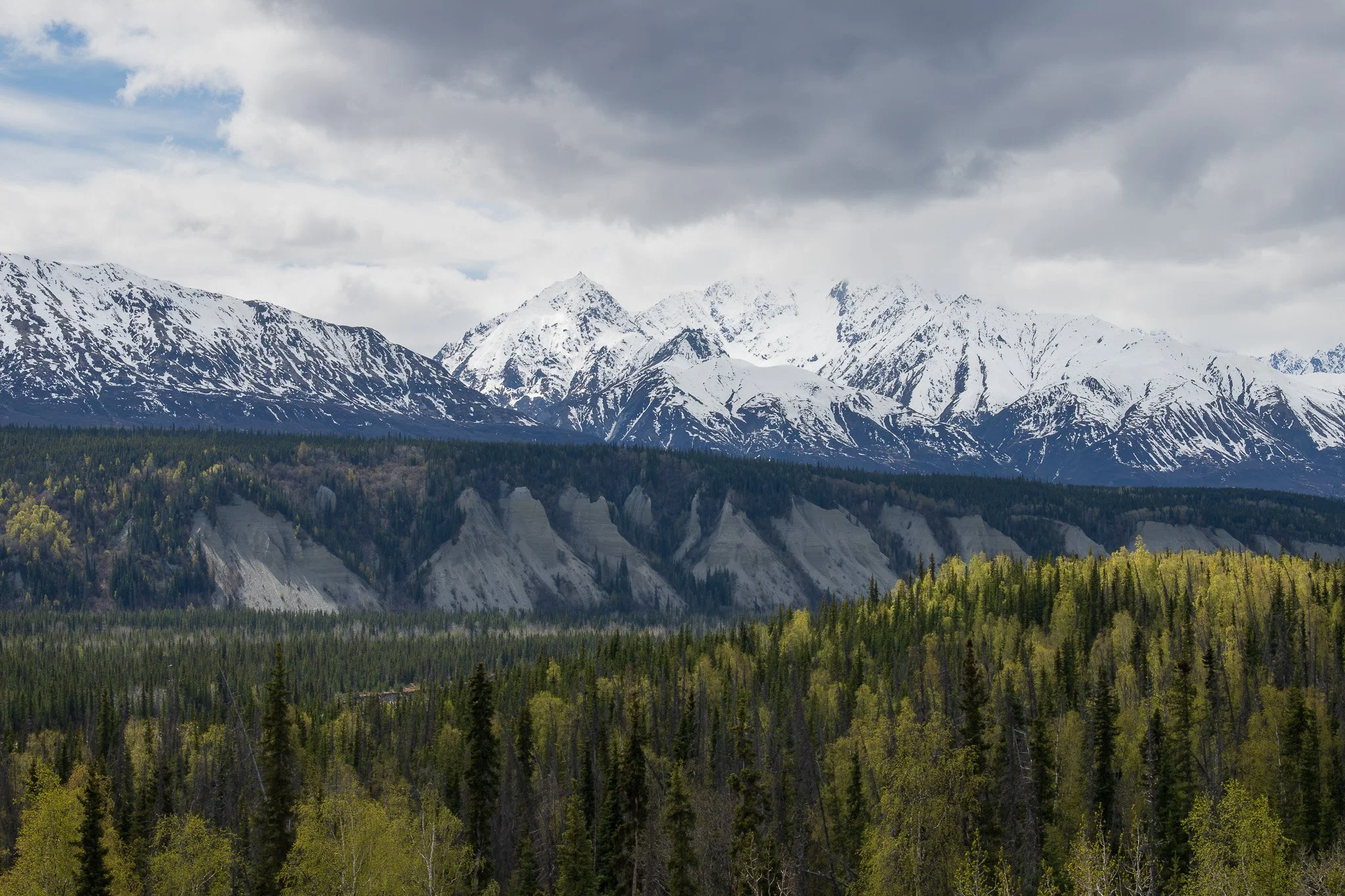
Spring greens paint the hillsides in many different hues along the Matanuska River below the Chugach Range.
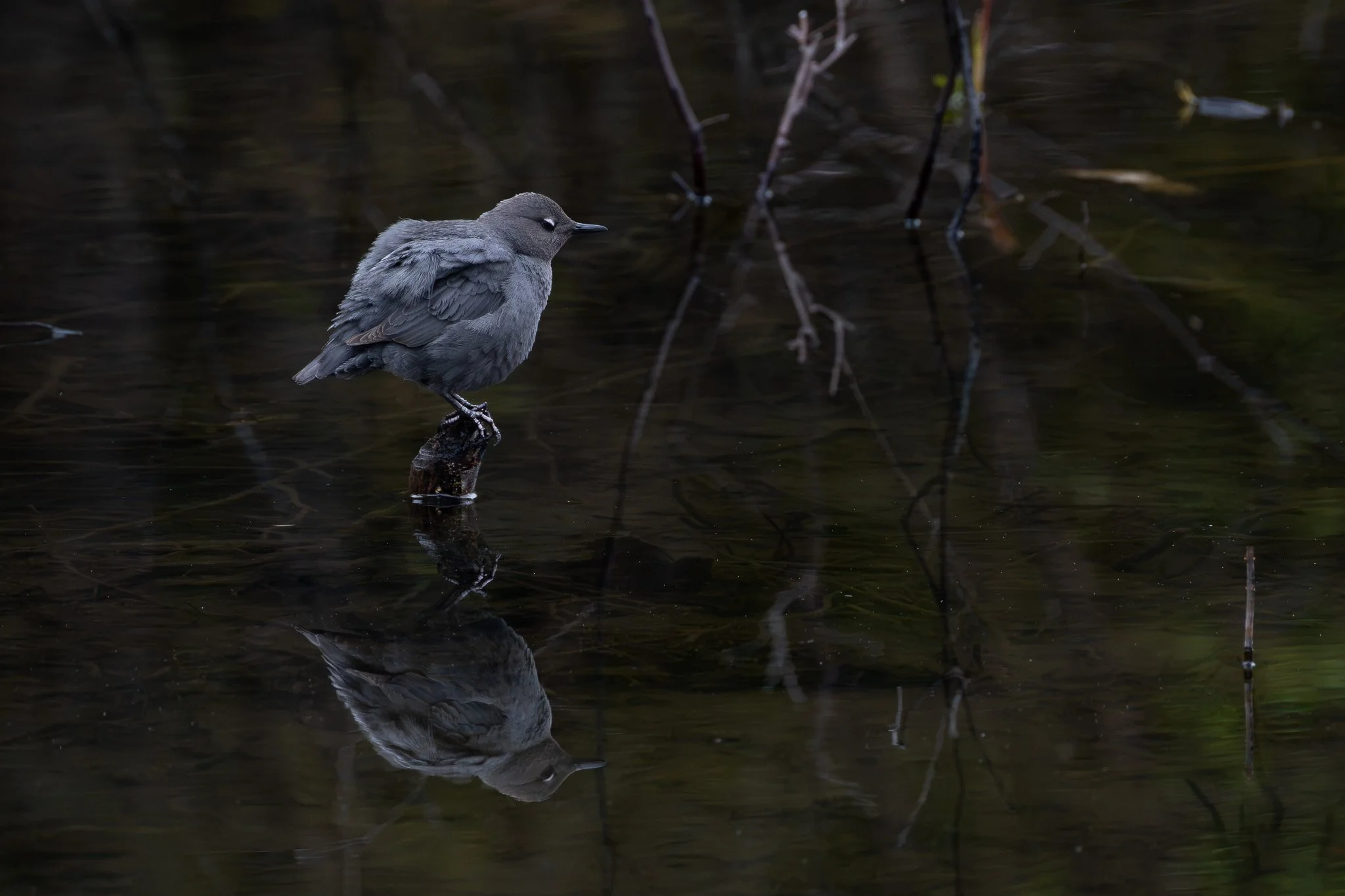
An American dipper (Cinclus mexicanus), or water ouzel, pauses over its hunting grounds.
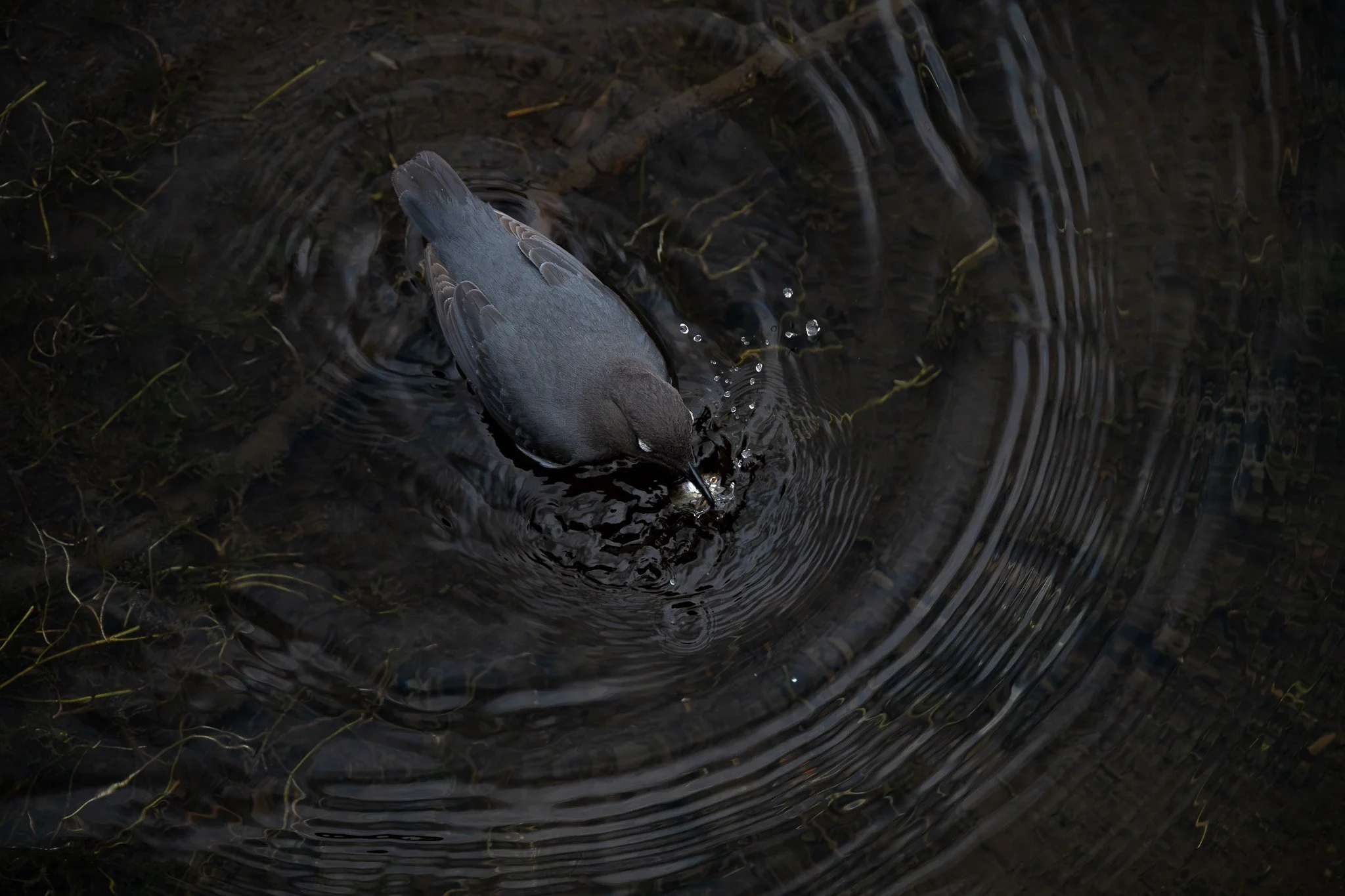
An American dipper (Cinclus mexicanus), North America's only aquatic songbird, surfaces from a dive with insects and a minnow for its hungry young.
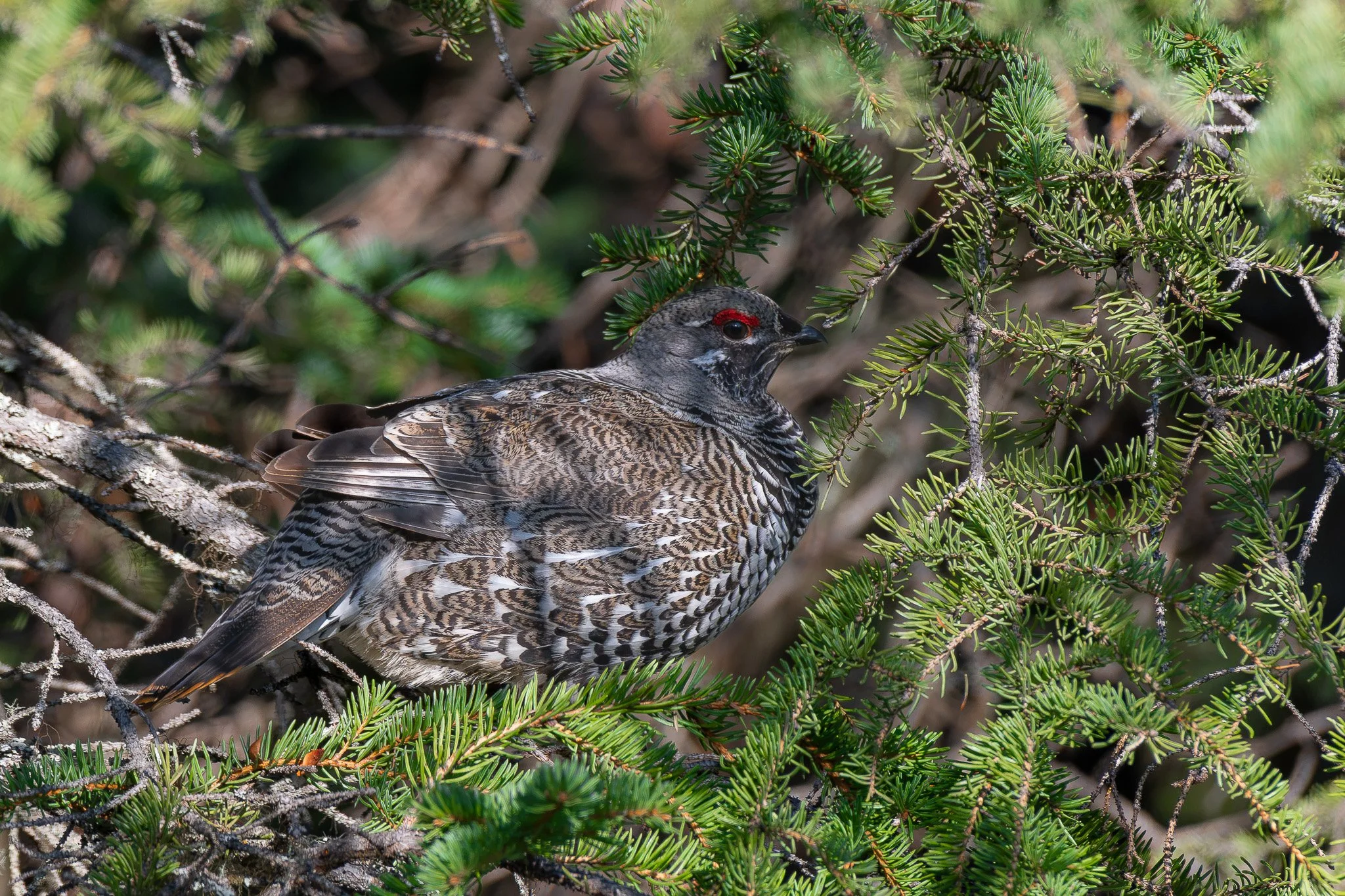
A spruce grouse (Canachites canadensis) perches in its namesake tree, which also makes up a significant portion of its diet.
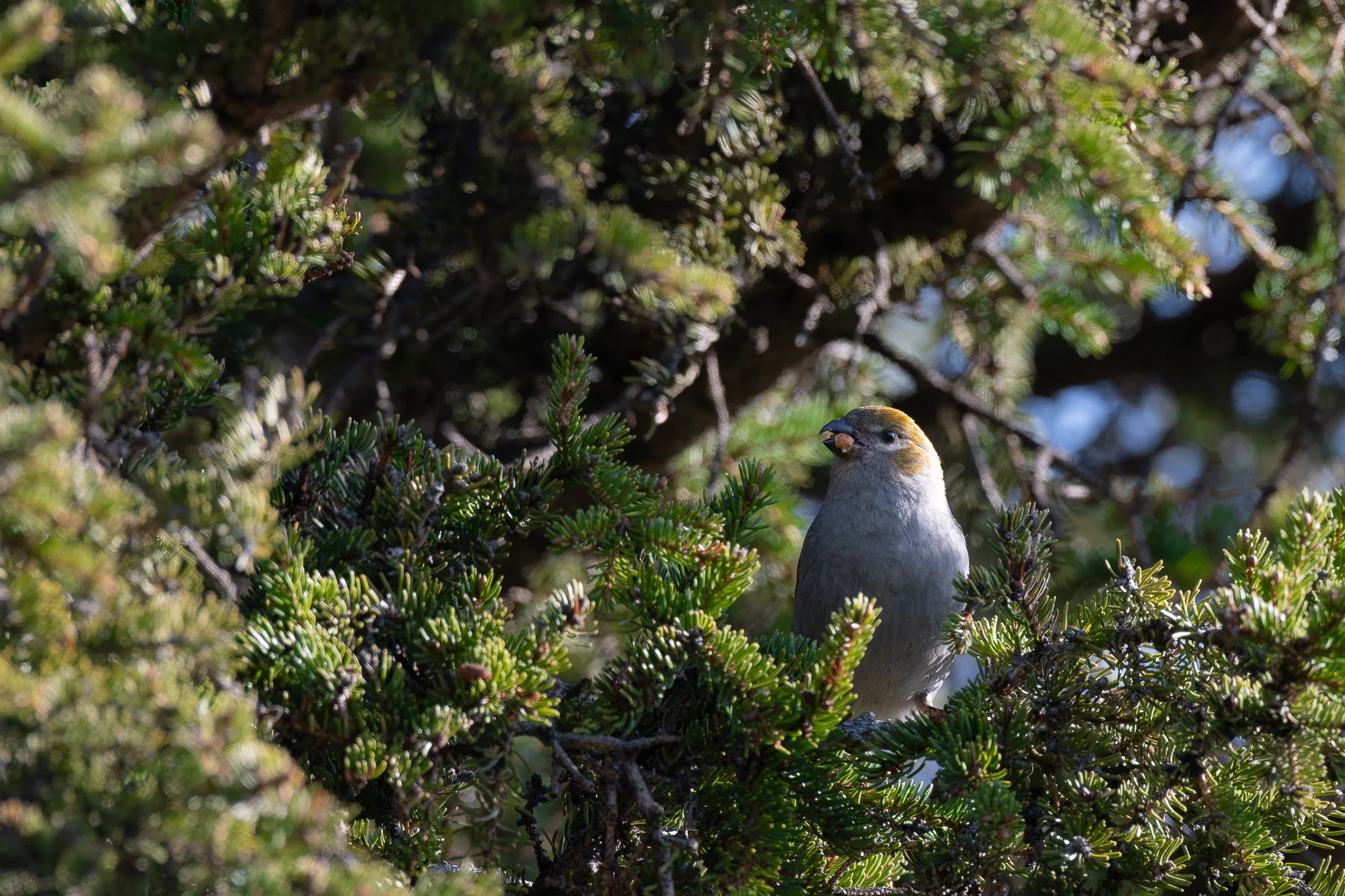
A female pine grosbeak (Pinicola enucleator) forages for spruce seeds among early morning light.
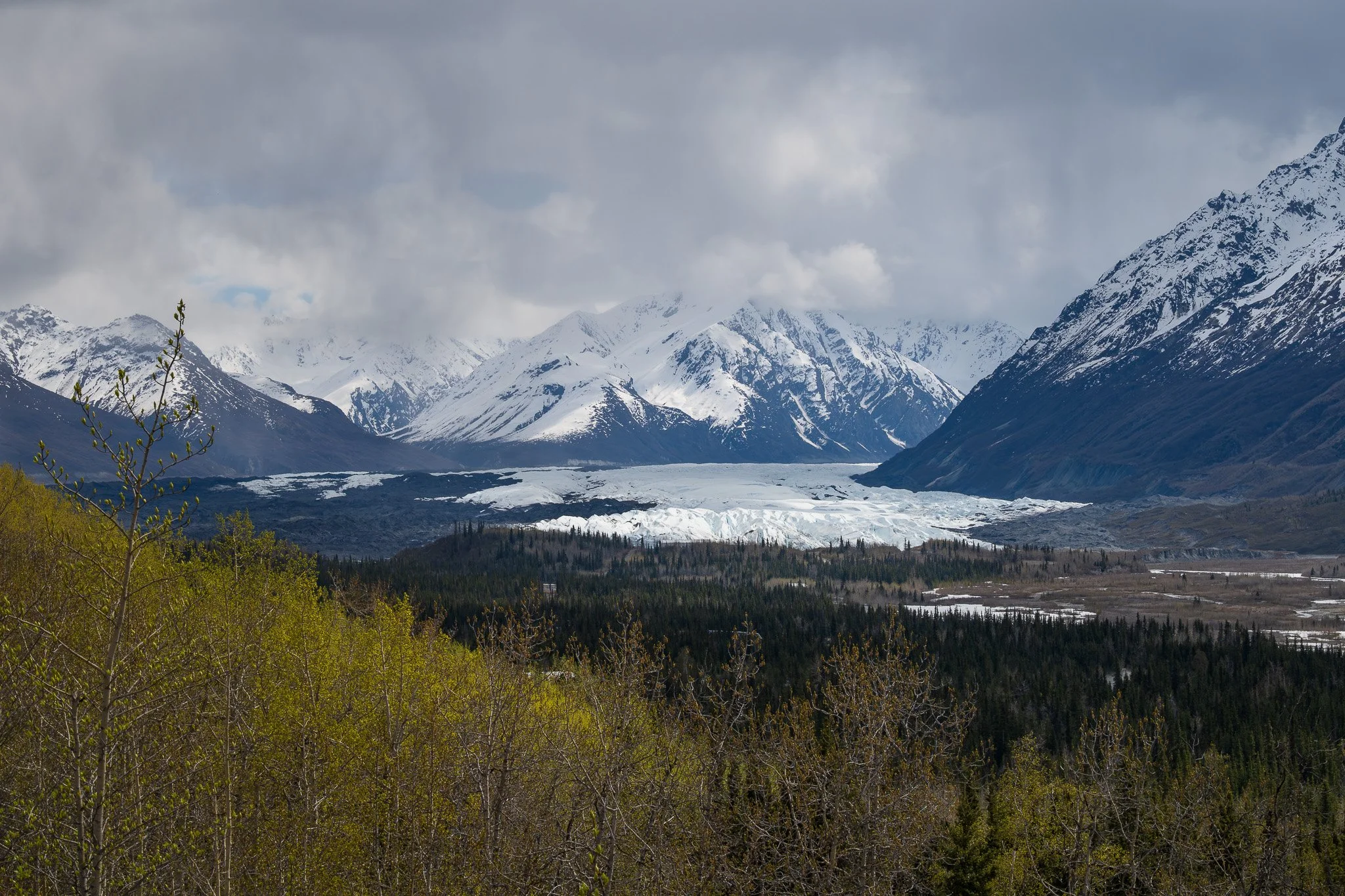
The Matanuska Glacier snakes its way through the Chugach Range north of Anchorage.
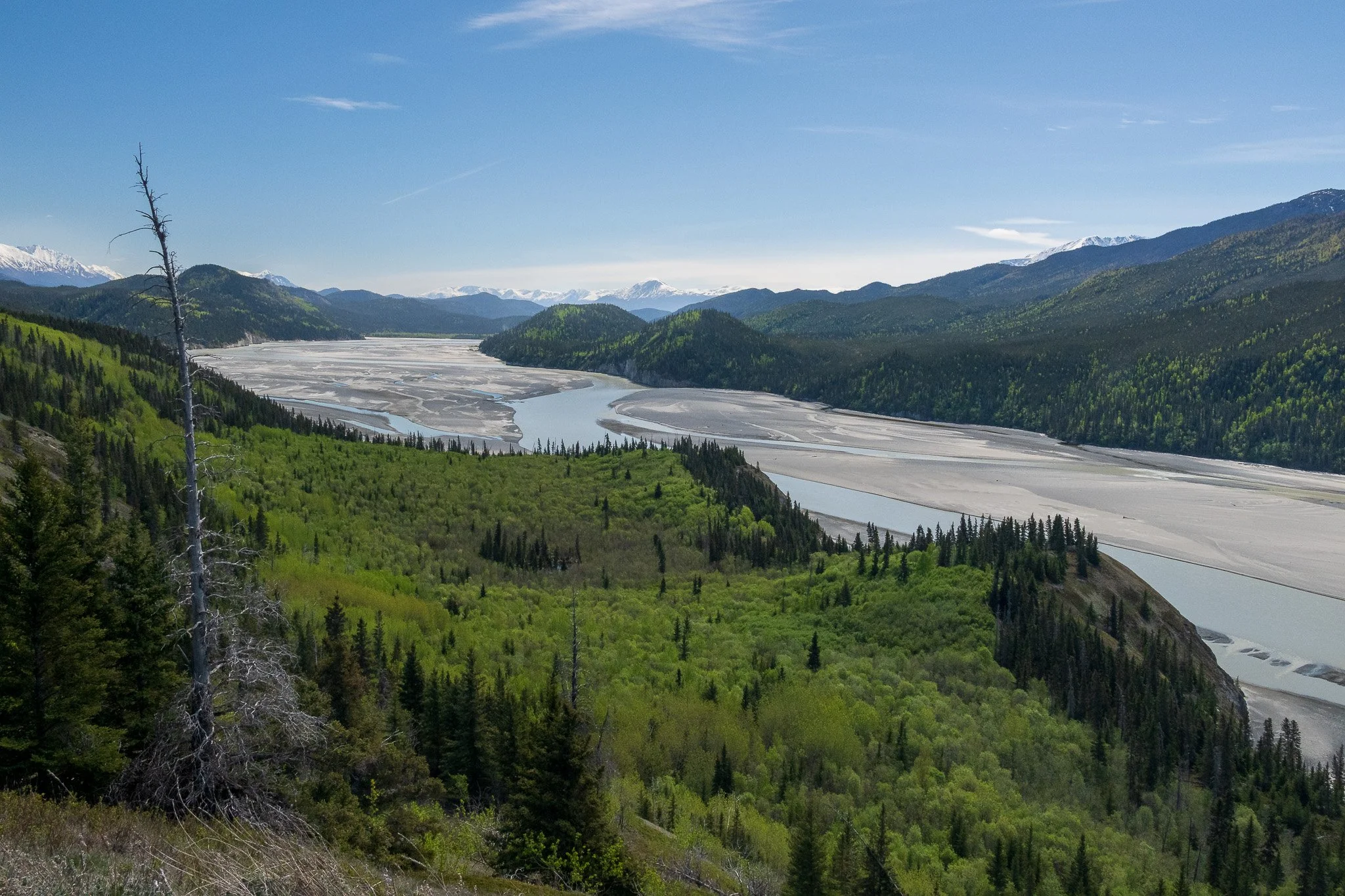
Braided rivers and spring greens give way to the soaring mountains of Wrangell-St. Elias National Park northeast of Anchorage.