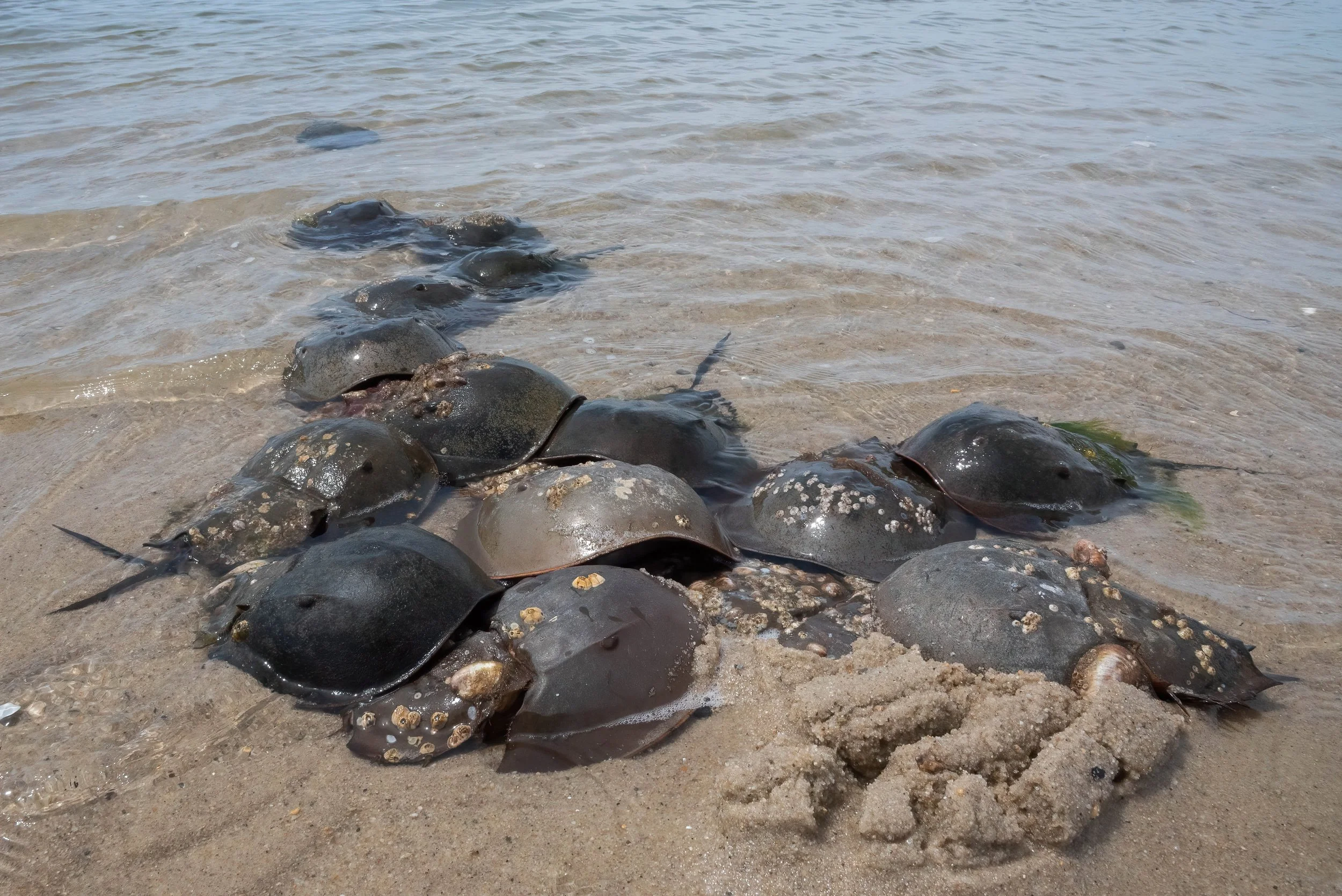
The humble horseshoe crab has existed unchanged for millennia. Today it’s in trouble, as its numbers are seeing a startlingly sharp decline across the globe.
At the popular tourist destination of Cape Cod in coastal Massachusetts, a dedicated team of scientists, students, and local volunteers has come together to save the crabs from extinction, and their efforts are sparking an exciting comeback.
This “living fossil” is chiefly threatened by habitat destruction and over-harvesting, with the largest crabs taken for bait as well as for their strange blue blood- a vital ingredient used in modern medical tests to detect bacterial contamination in vaccines, IVs, injectable drugs, and medical implants. But all hope is not lost, as a passionate few are starting to turn this decline around.
East Harbor - Cape Cod National Seashore: At the restored salt marsh of East Harbor, a body of water that once sheltered the Mayflower, combined efforts have turned what was a brackish pond full of mosquitoes responsible for multiple disease outbreaks back into a thriving ecosystem that saw a breeding congregation of hundreds of crabs in 2024.
Stage Harbor - Monomoy National Wildlife Refuge: Scientists and volunteers from the MA Division of Marine Fisheries have been monitoring Stage Harbor closely as they measure population size and health. This information is used to determine necessary protections for the animals. This year they received over 800 volunteer requests from Massachusetts residents.
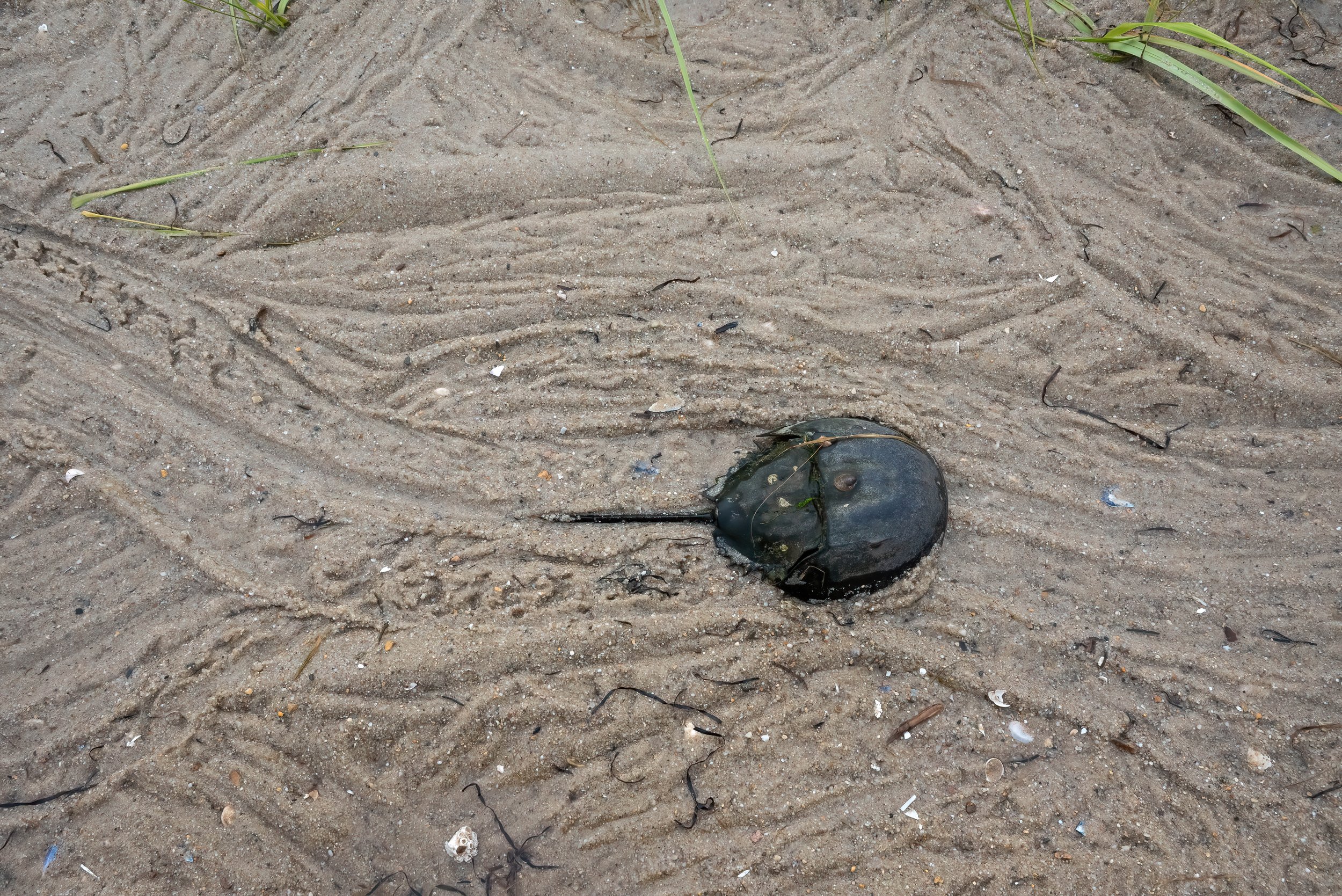
A lone male Atlantic Horseshoe Crab (Limulus polyphemus) follows the trails of many others to breeding grounds along the beach.
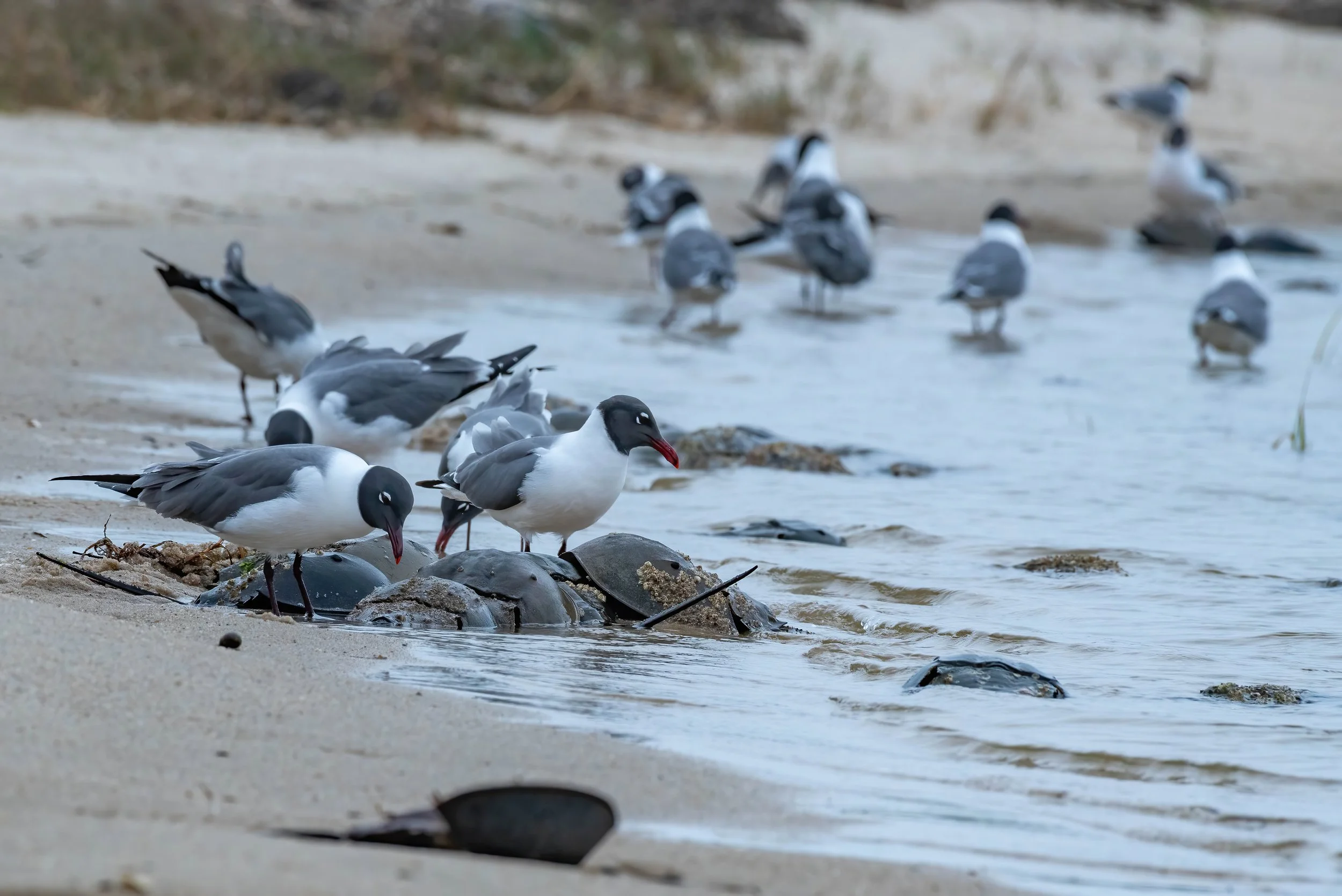
Laughing Gulls (Leucophaeus atricilla) feast on horseshoe crab eggs at Monomoy National Wildlife Refuge, adding to the cacophony of sound the aggregations create
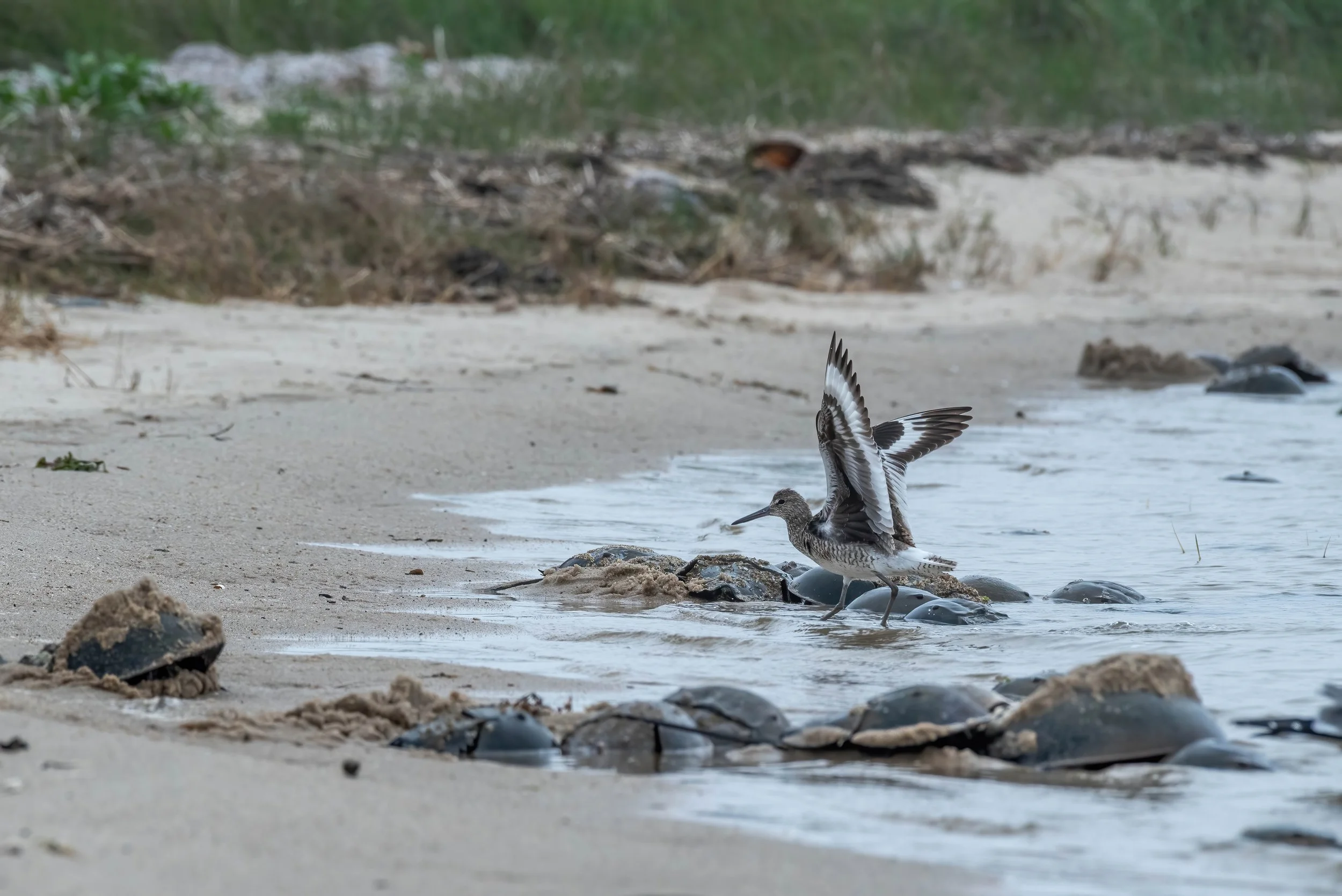
A Willet (Tringa semipalmata) descends from its nearby nest to gorge on the plentiful crab eggs, fueling it throughout the breeding season.
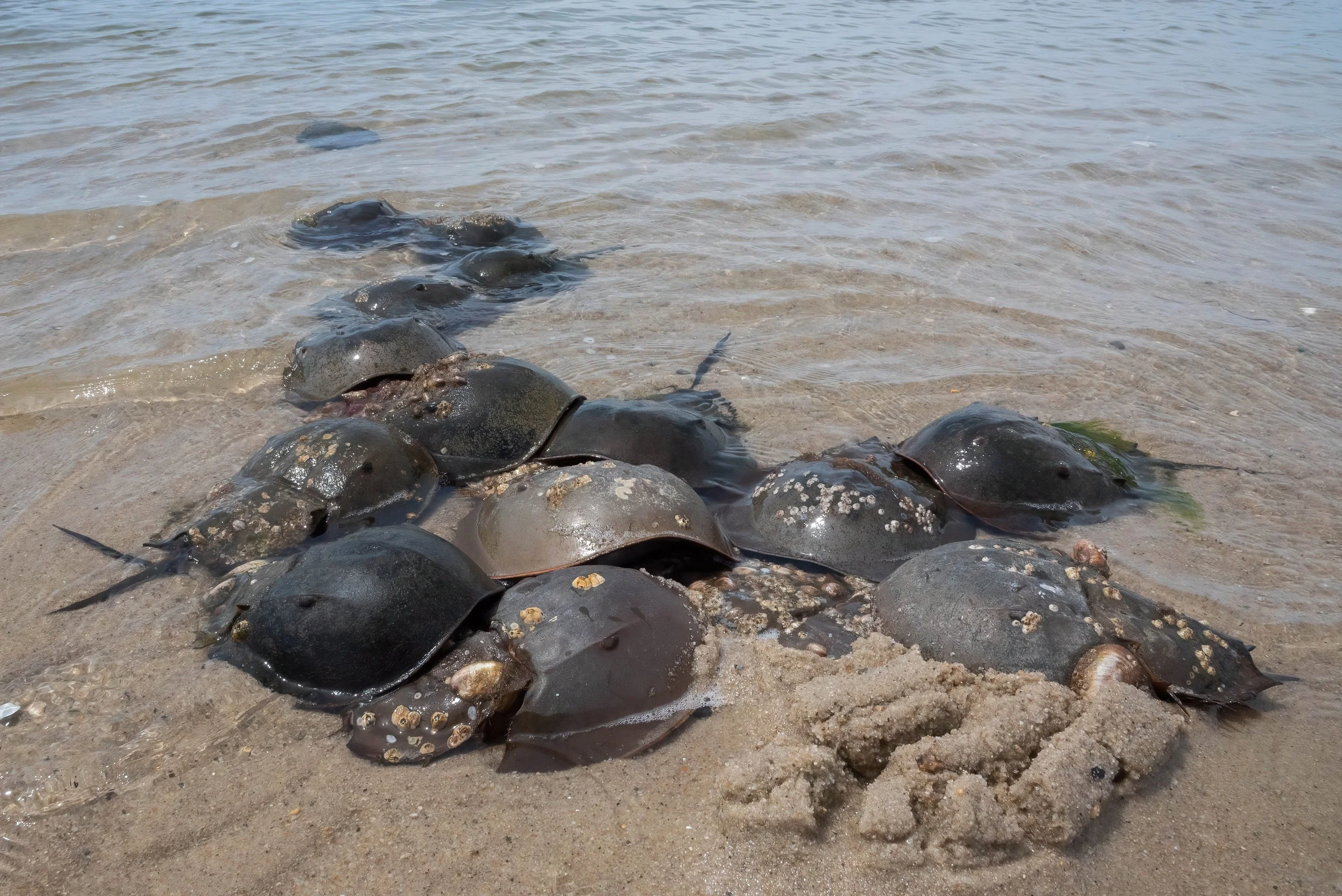
A pile up of crabs as they jostle for position in order to fertilize newly deposited eggs in the sand.
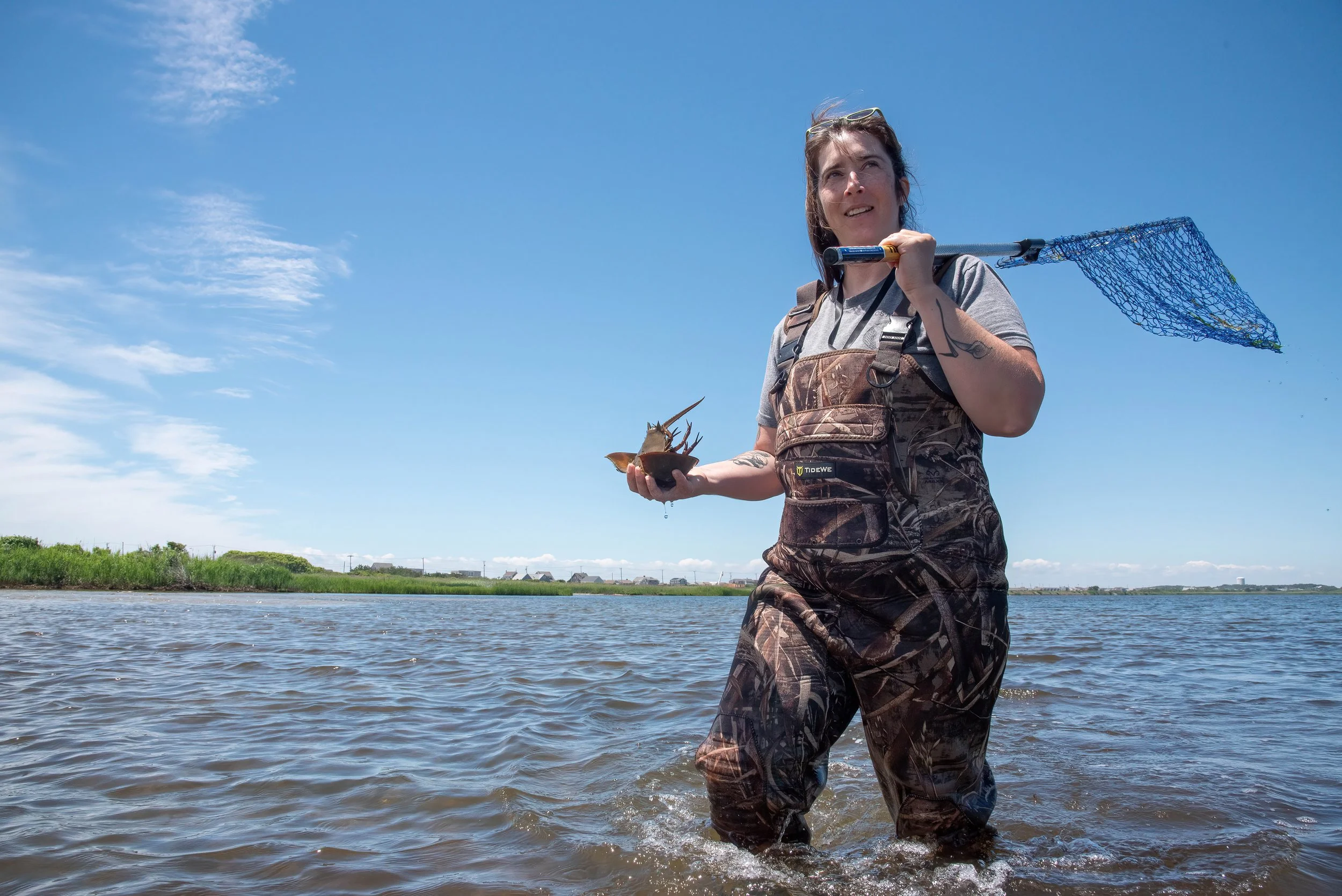
Masters student Kelly McCusker returns with an adult male crab, he will be fitted with an acoustic tag for later monitoring. The tags do not harm the crabs, and will eventually dislodge from their shells.
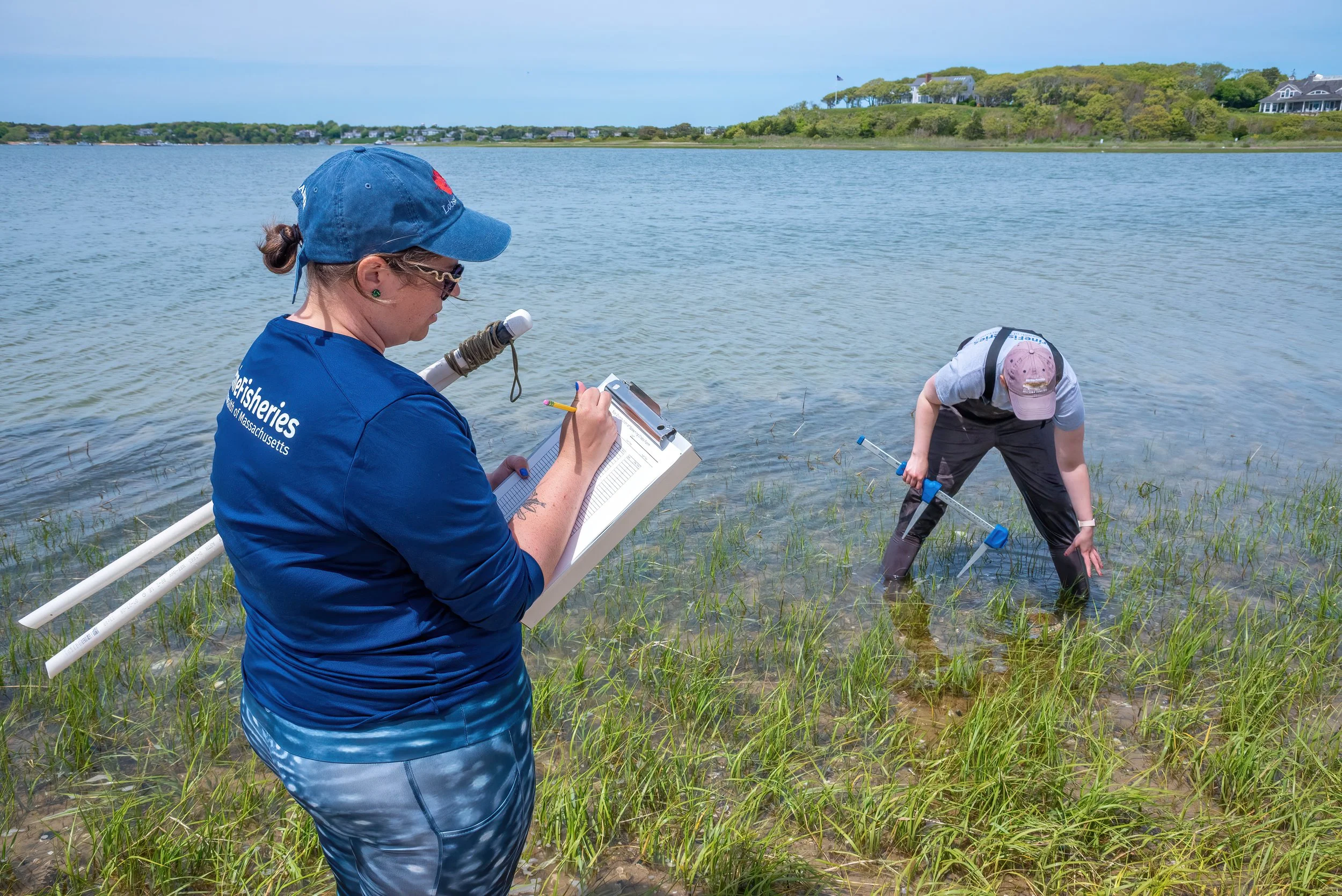
Two fisheries scientists survey the size, health, and sex of adult crabs spawning at Stage Harbor in Monomoy National Wildlife Refuge.
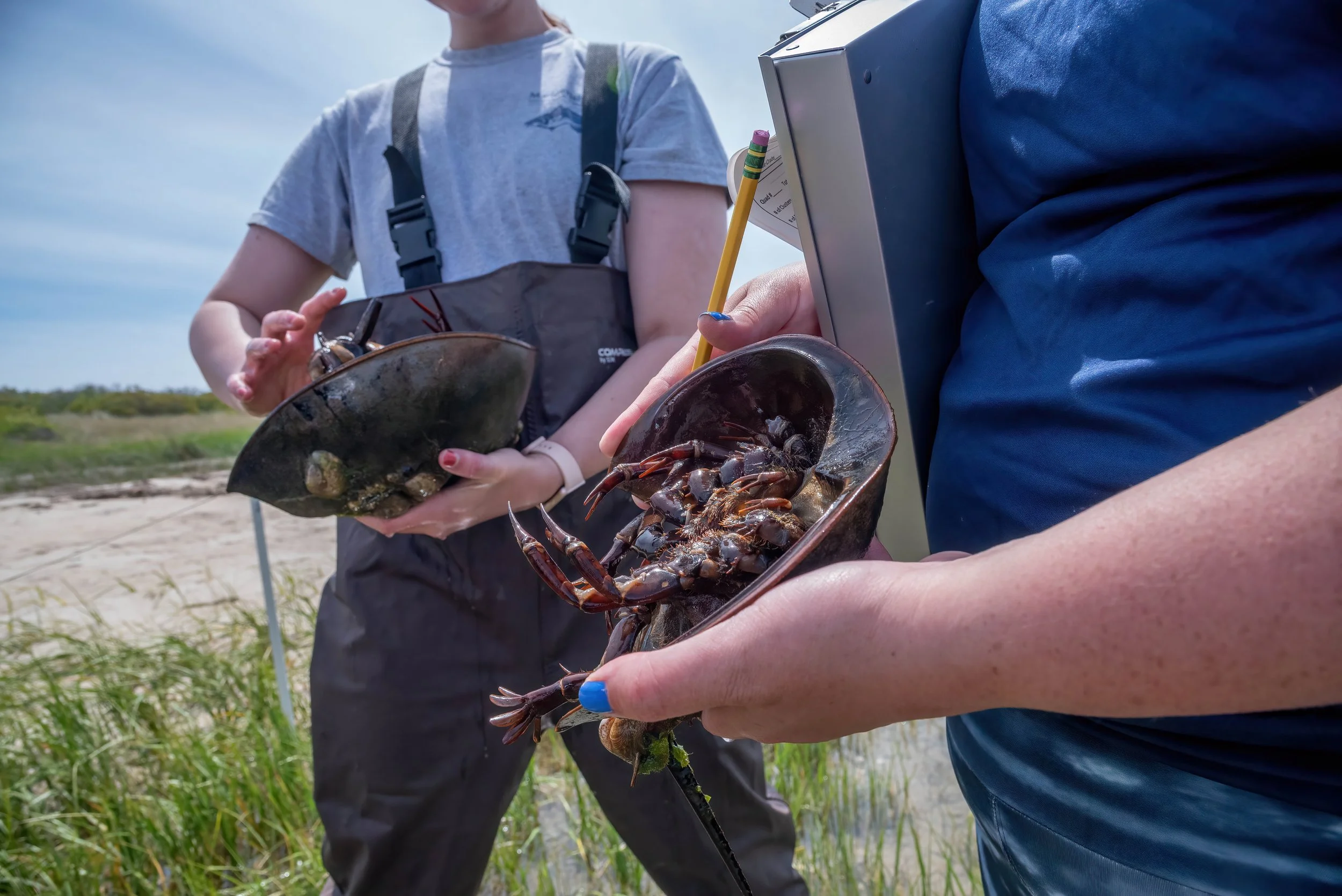
Fisheries scientists examine a pair of adult horseshoe crabs, showing off their feathery rear legs they use for swimming when extra speed is needed.
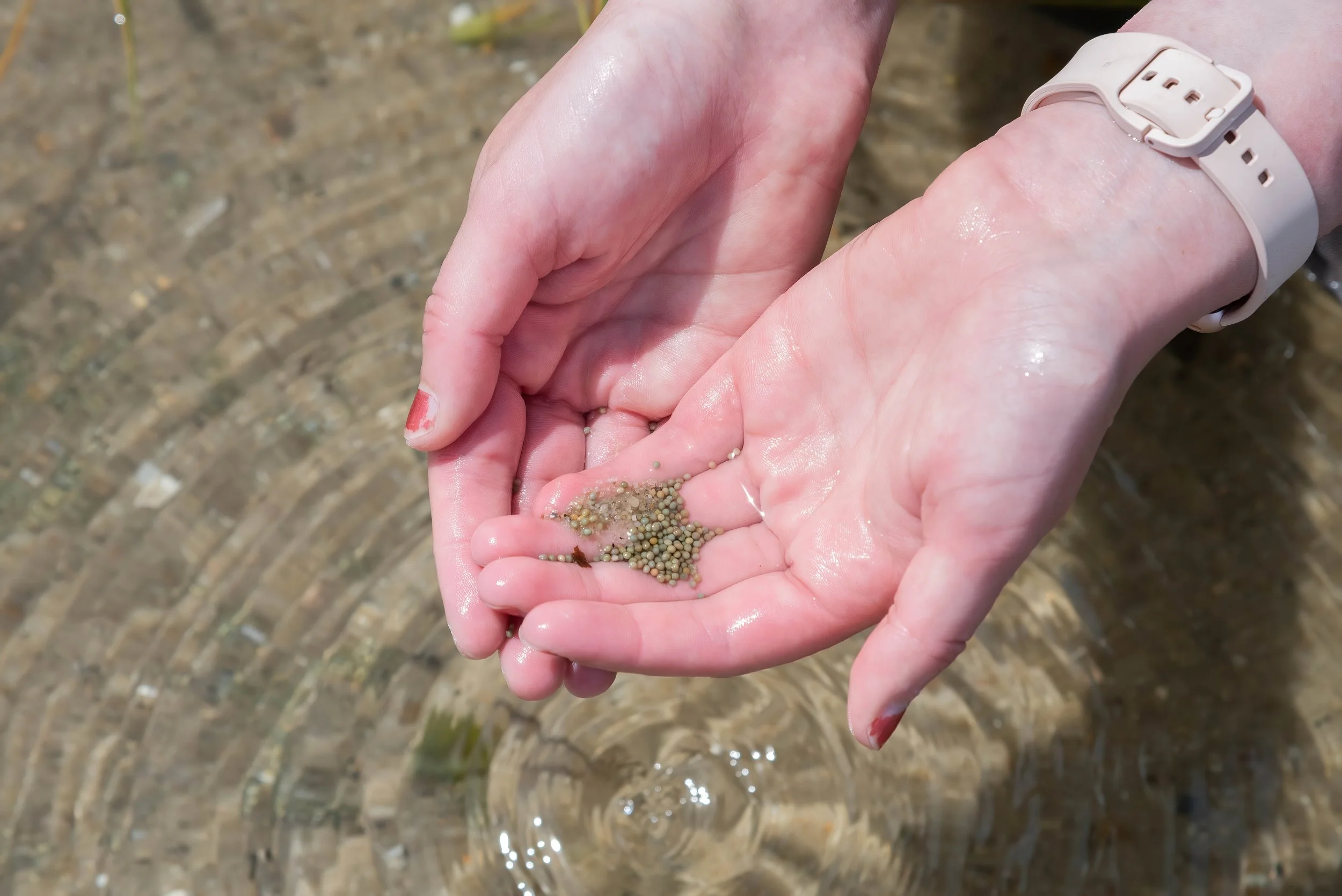
A close up look at the well camouflaged eggs laid by the adults crabs in the soft sand, females depositing up to 4,000 eggs in a single cluster. A single crab can lay up to 100,000 eggs in a season.
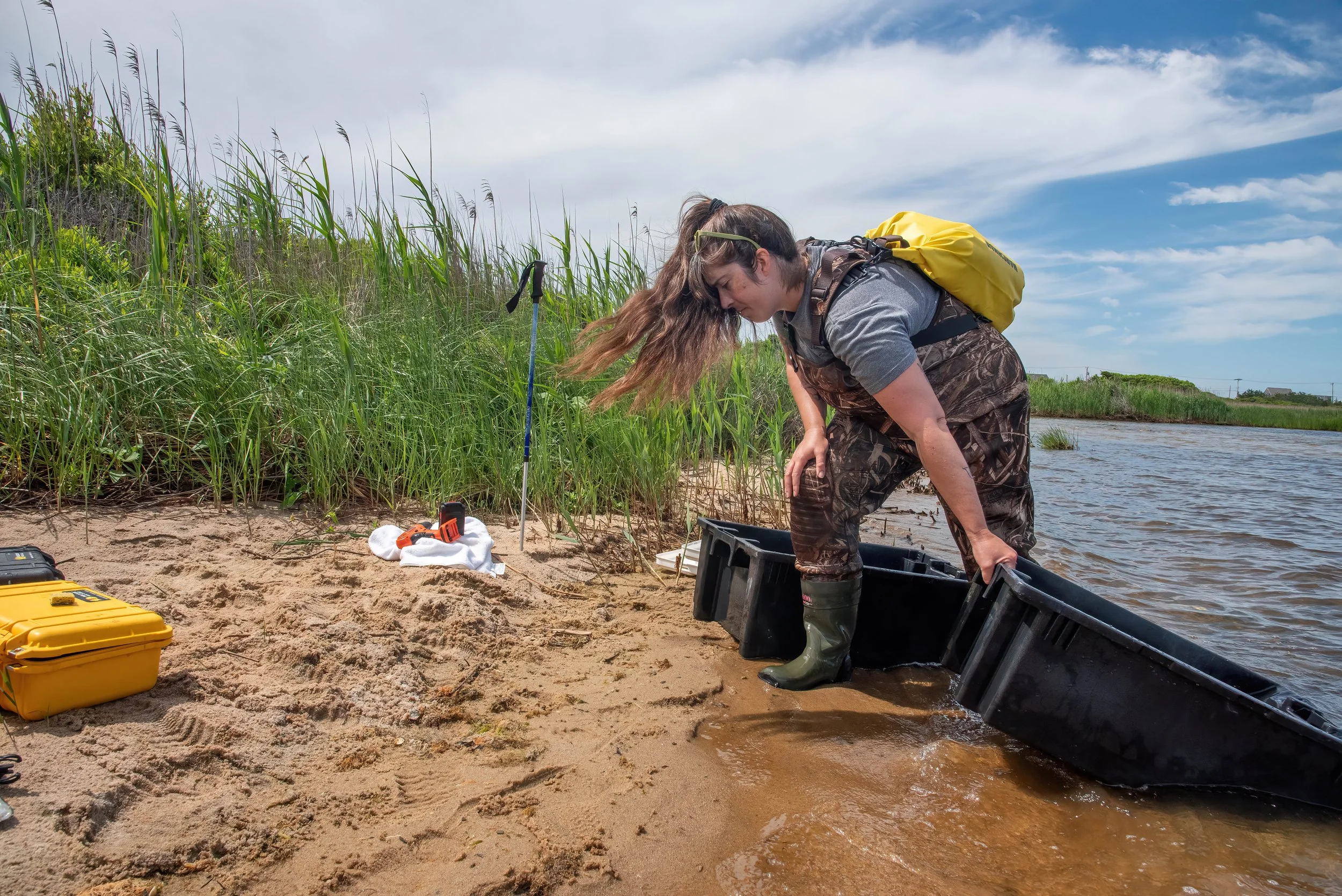
Kelly moves her monitoring gear to another site along East Harbor’s shore. There is no road or pathway, so all gear must be floated in as scientists and volunteers walk through the estuary on foot.
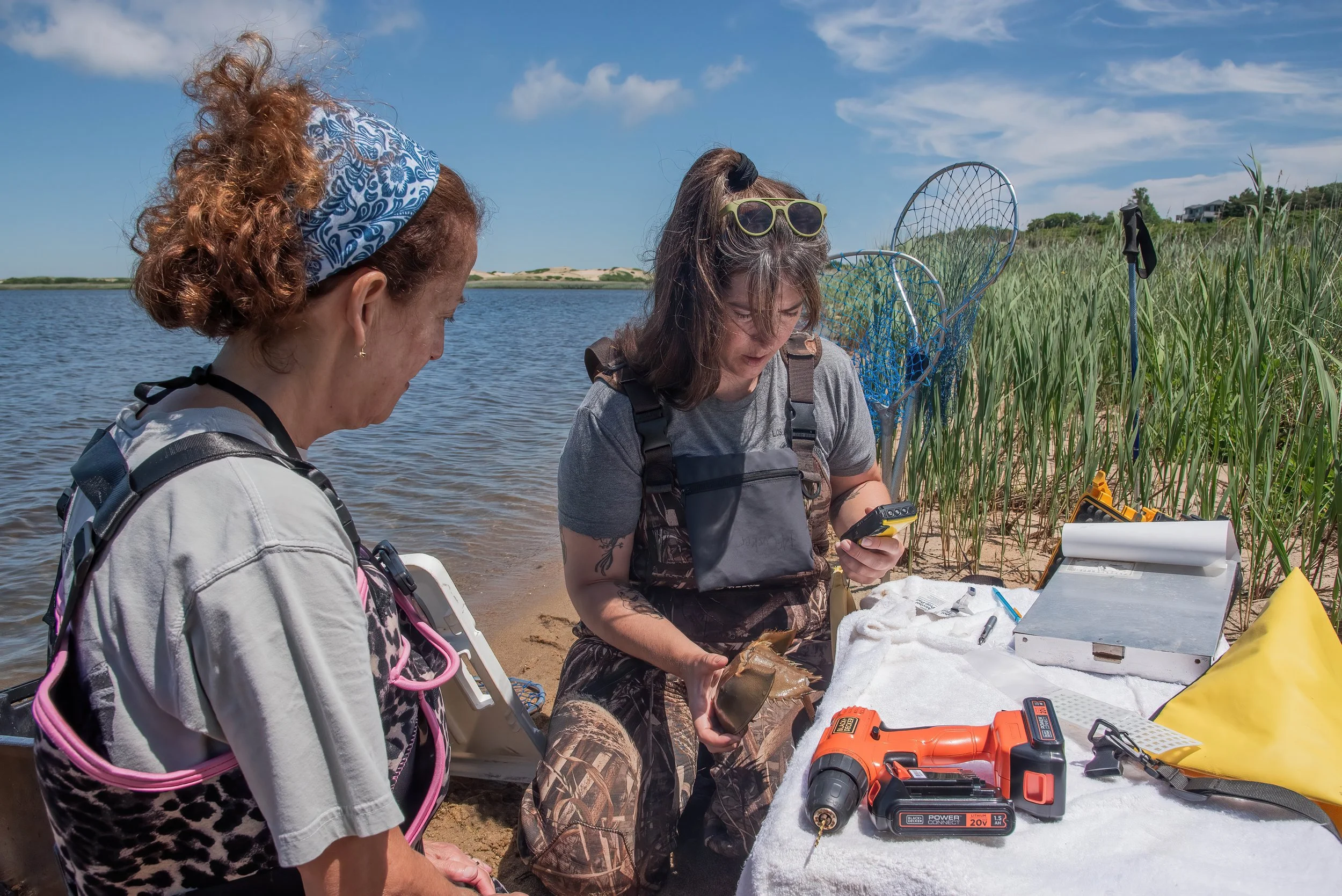
Sharon Kreamer helps Kelly affix acoustic tags to an adult crab’s shell. This will tell scientists how many crabs move through without needing to catch them.
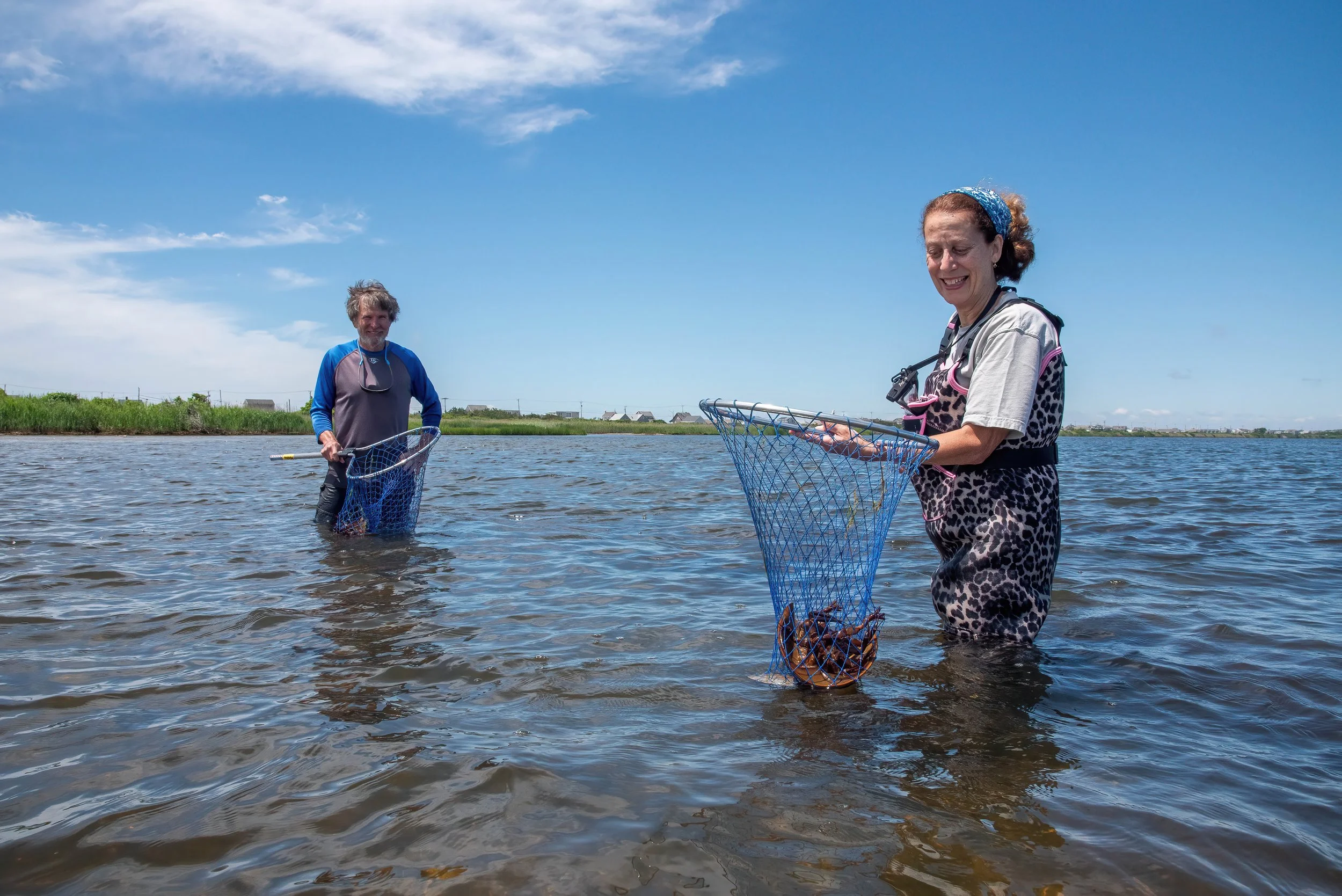
Community volunteers assist with horseshoe crab tagging at East Harbor near the popular tourist destination of Cape Cod.
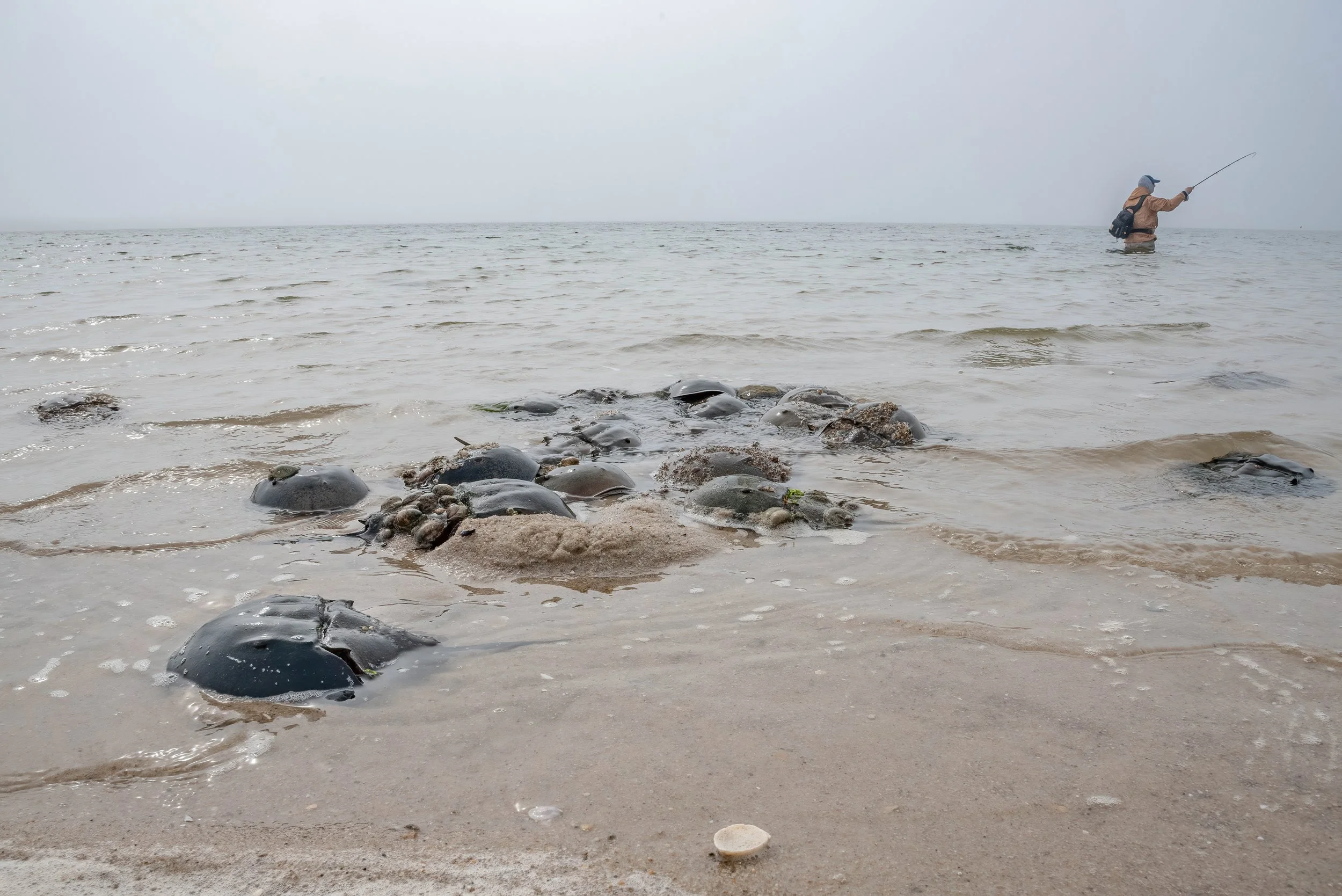
Adult crabs gather on a misty day at one of the multi-use beaches near Monomoy as a fisherman casts in the background.
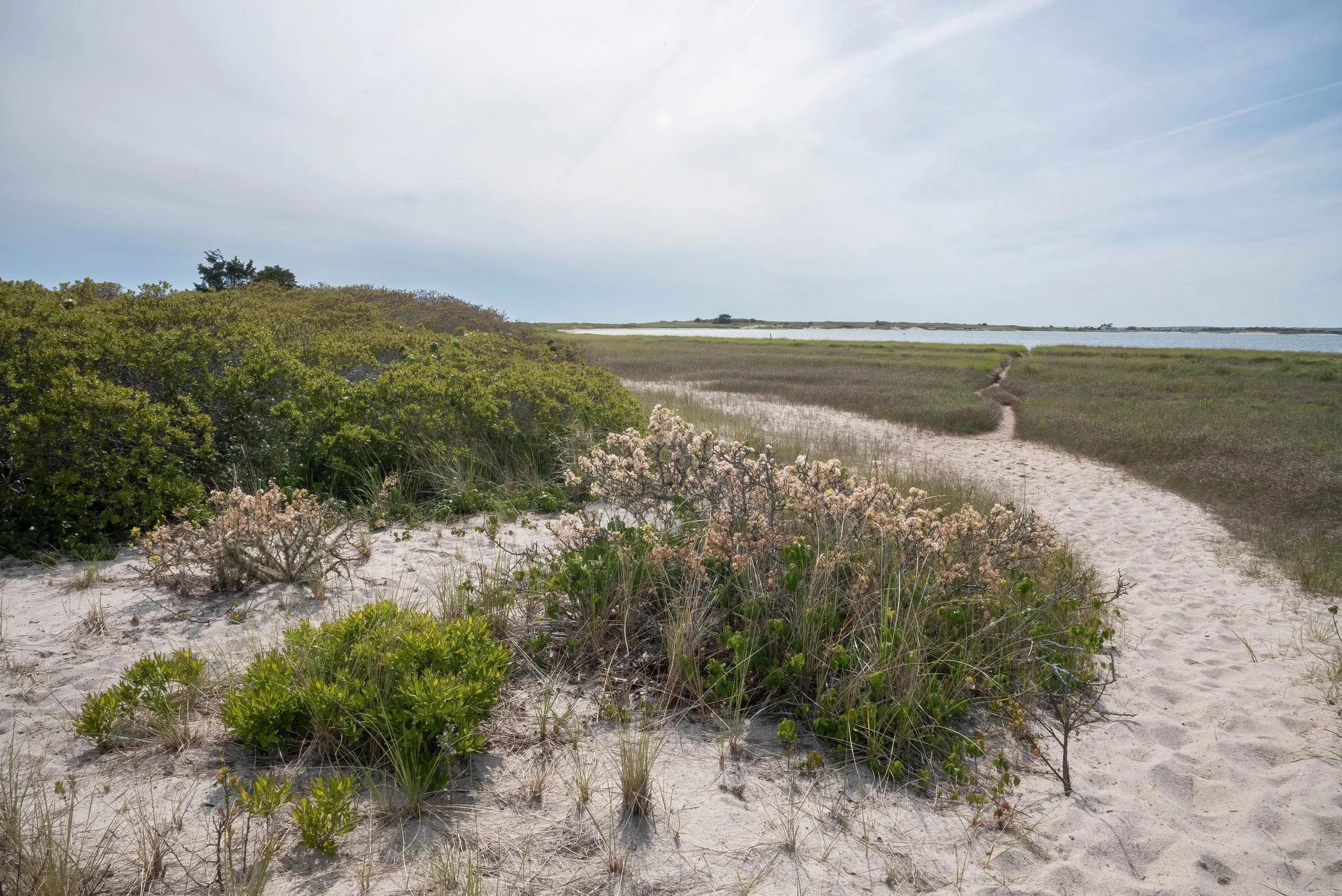
A view from the dunes down one of the protected beaches where the crabs lay their eggs during the summer breeding season.
All images for this story taken by Nina Duggan.
Published in Issue 8 of Gathered Light Magazine focusing on our oceans, please view the story on their free to read online version under Horseshoe Crabs, Community, and Hope.