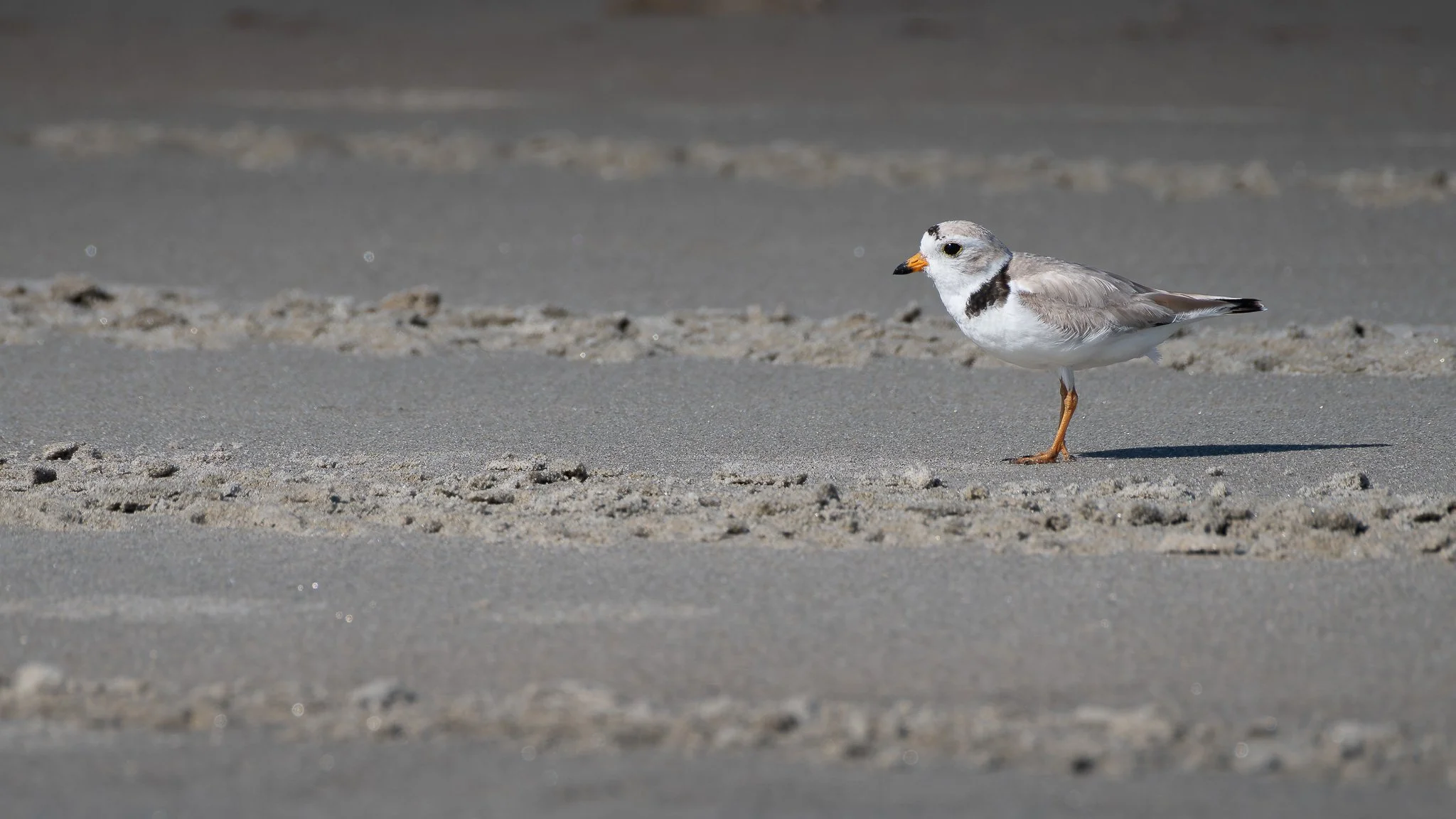
Protecting multi-use habitat for people and wildlife at the front lines of conservation and recreation.
On the coast of Massachusetts, a beach that sees over 350,000 people a year shares nesting habitat for endangered shorebirds
“Visited by more than 350,000 people annually, Crane Beach remains a national model for balancing conservation of diverse natural habitats and wildlife—more than 1,200 acres of beachfront, dunes, and maritime forest grace the property—with the management of active public recreation.
Crane Beach is among the world’s most important nesting sites for piping plovers—a threatened bird that was nearly hunted to extinction in the 19th century for its eggs and feathers—and has been nationally recognized for its successful shorebird protection program.
To protect threatened shorebirds, visitors avoid the fenced nesting areas and the wrack, the line of washed-up organic debris where the birds feed and hide.”
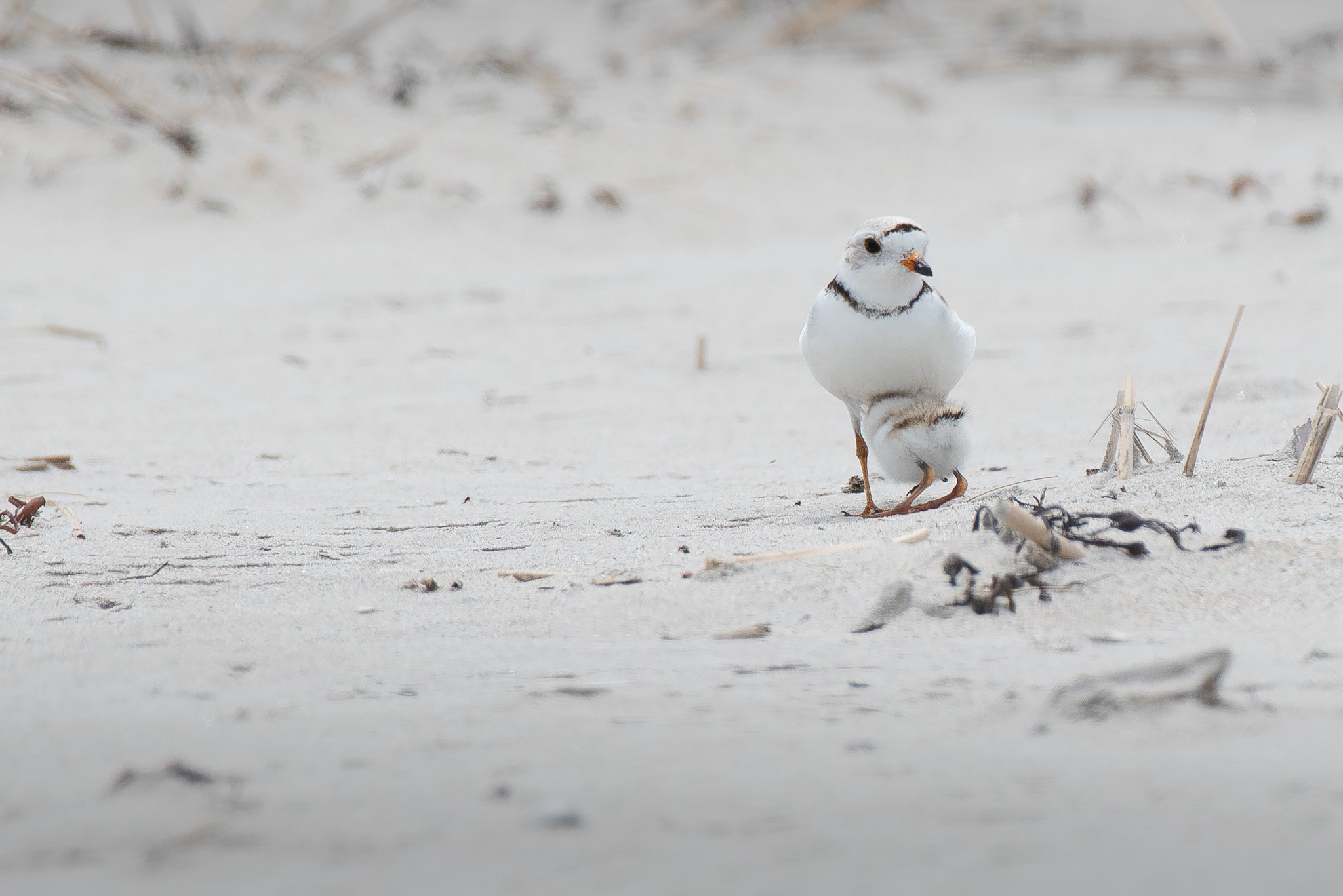
A male piping plover (Charadrius melodus) shelters one of his chicks.
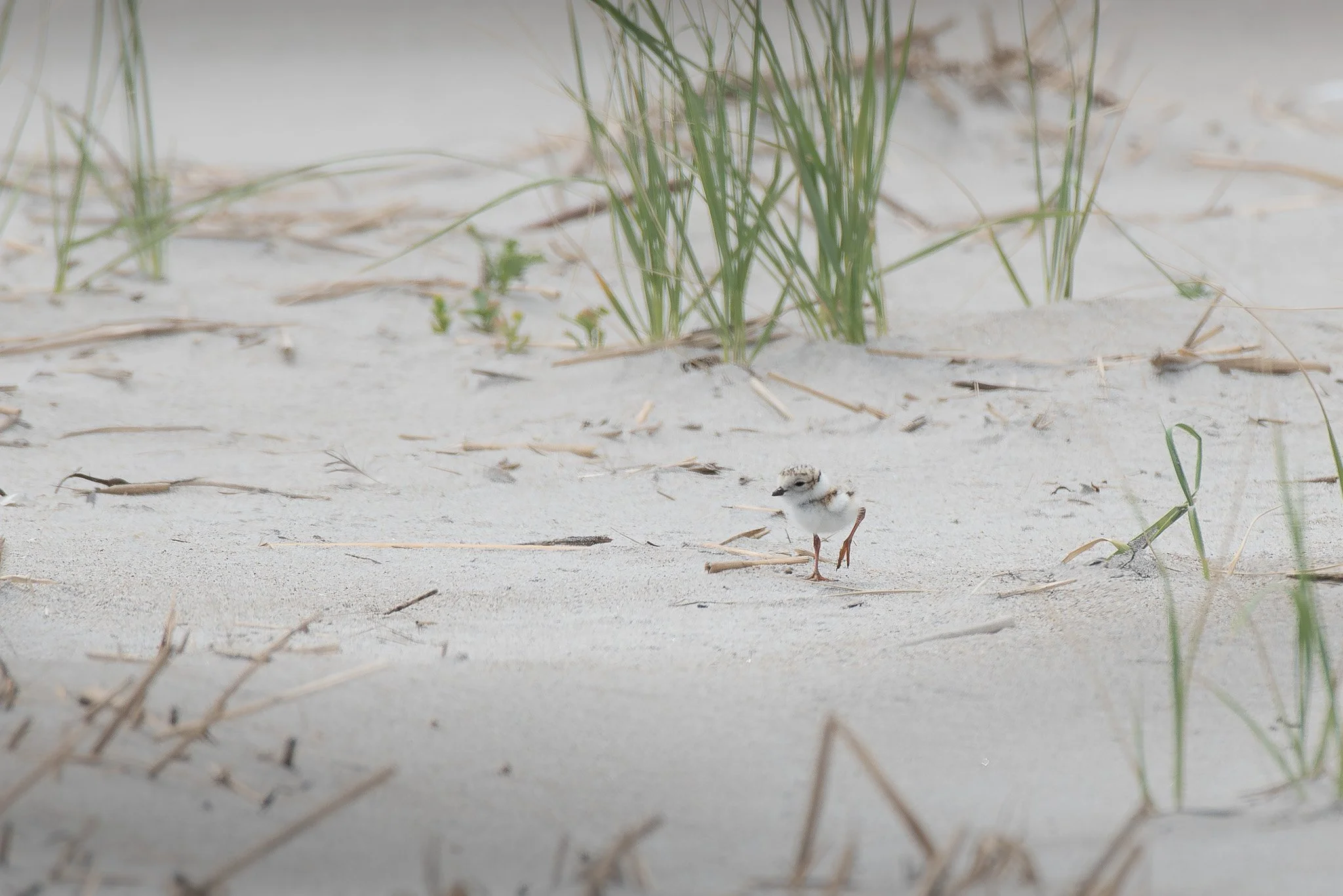
A young piping plover chick (Charadrius melodus) forages among the sands of Crane Beach.
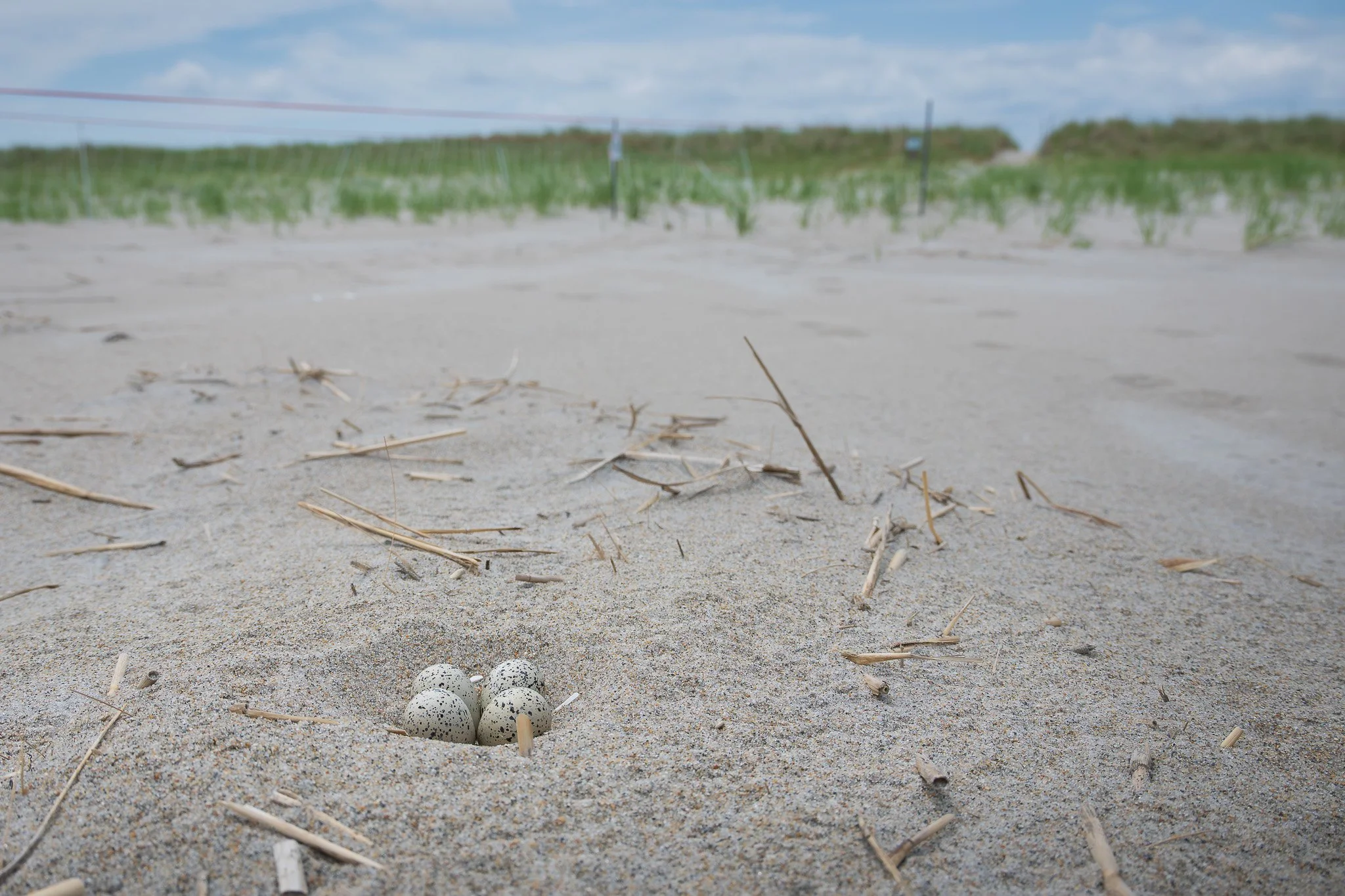
An active piping plover (Charadrius melodus) nest on protected beach habitat.
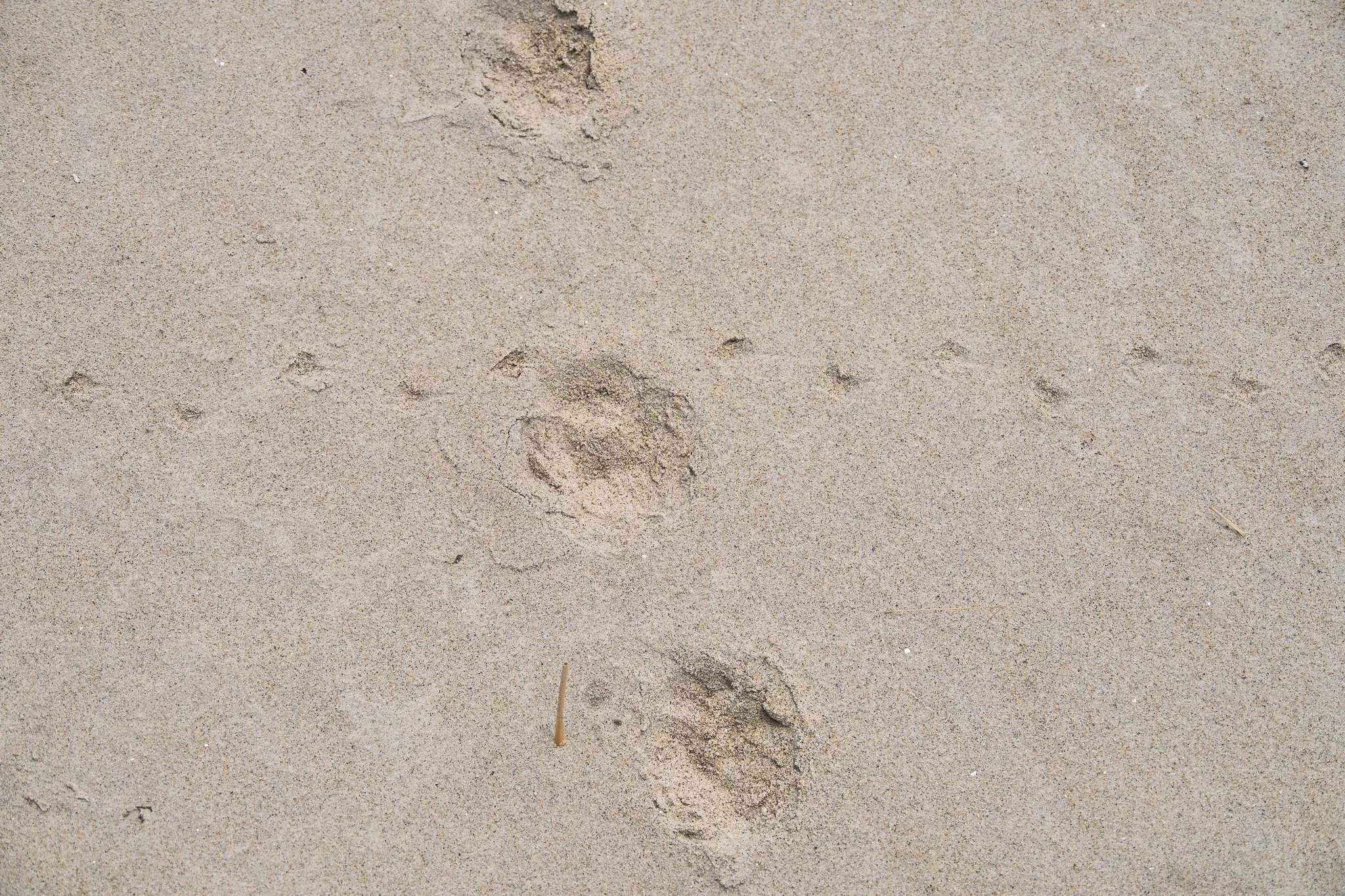
Piping plover (Charadrius melodus) tracks cross Eastern coyote (Canis latrans), one of their main nest predators. On Crane Beach, their nests are protected by electric fencing at night to reduce predation.
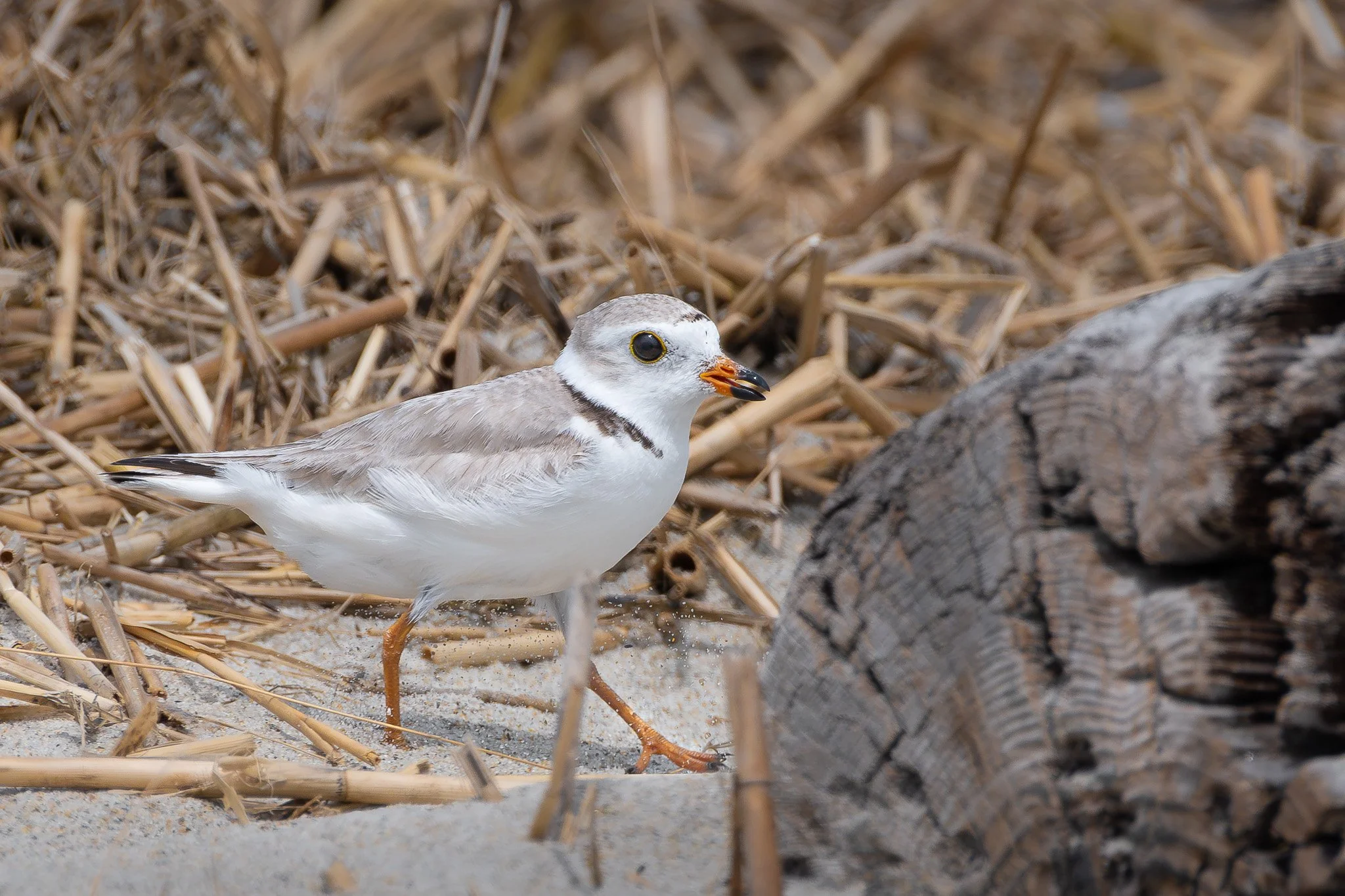
A female piping plover (Charadrius melodus) forages among beach debris.
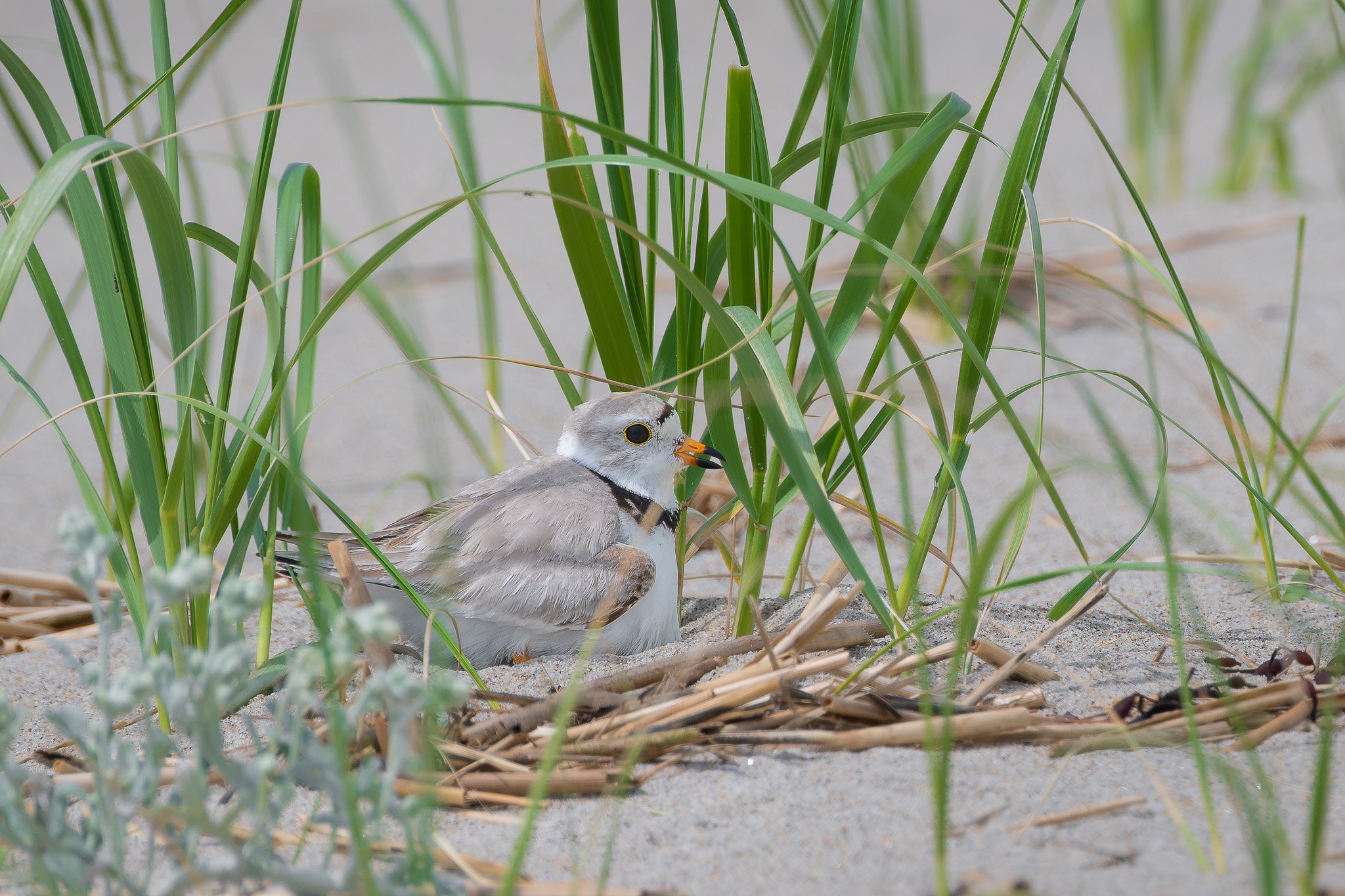
A male piping plover (Charadrius melodus) incubates his eggs among dune grasses.
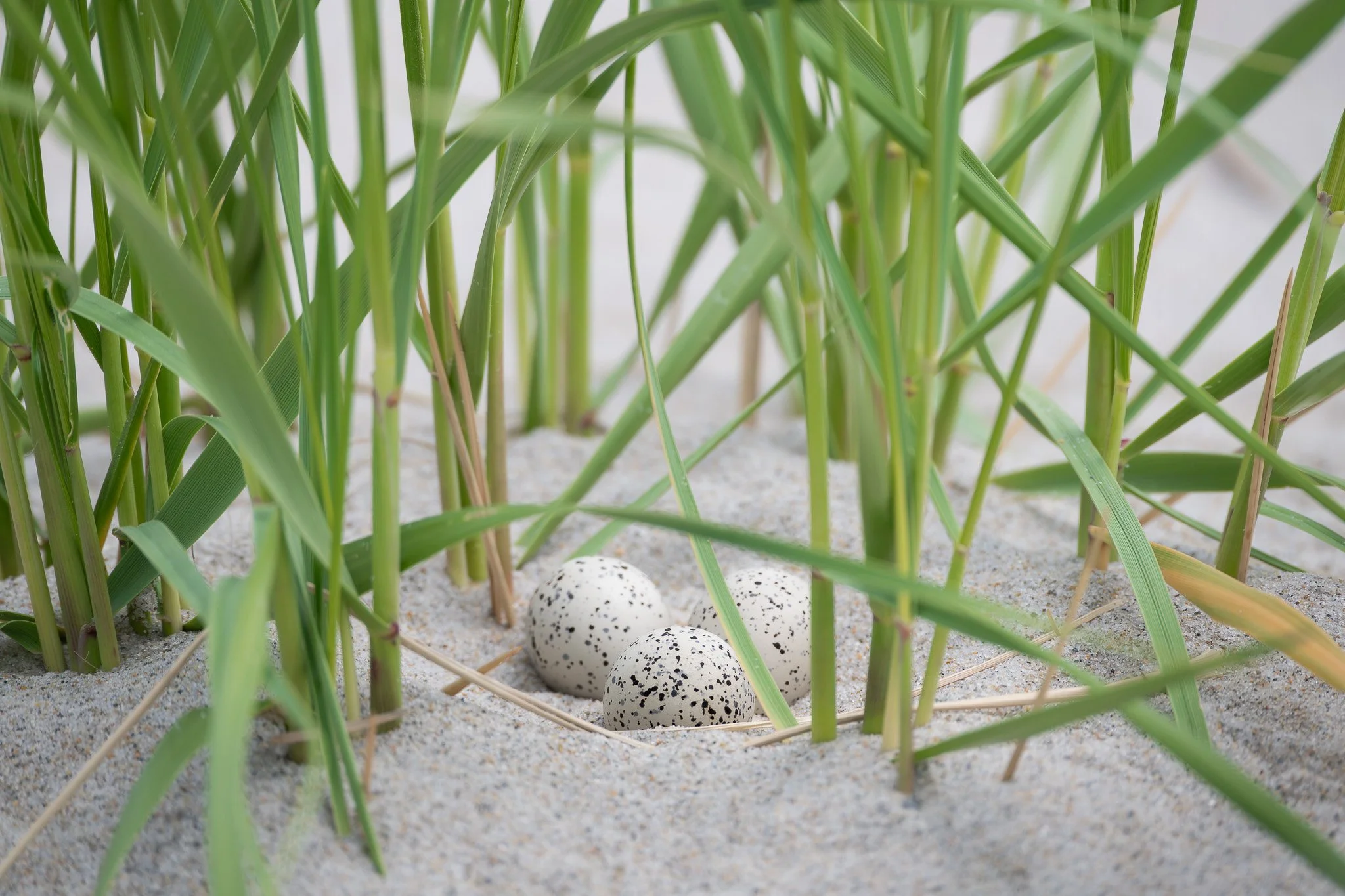
A piping plover nest (Charadrius melodus) hidden among dune grasses.
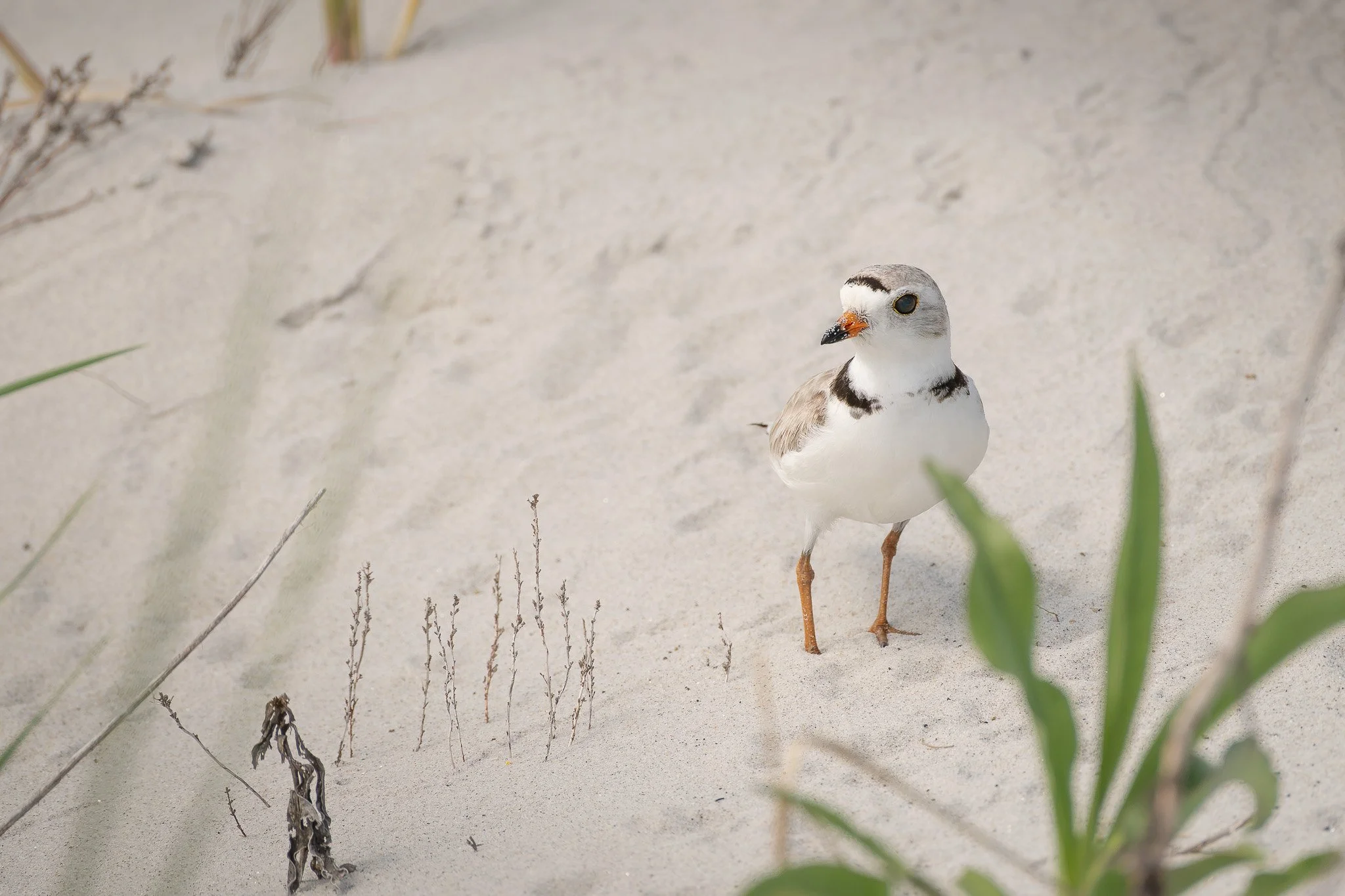
A female piping plover (Charadrius melodus), distinguishable by the broken black ring around her neck (compared to the male's solid black ring).
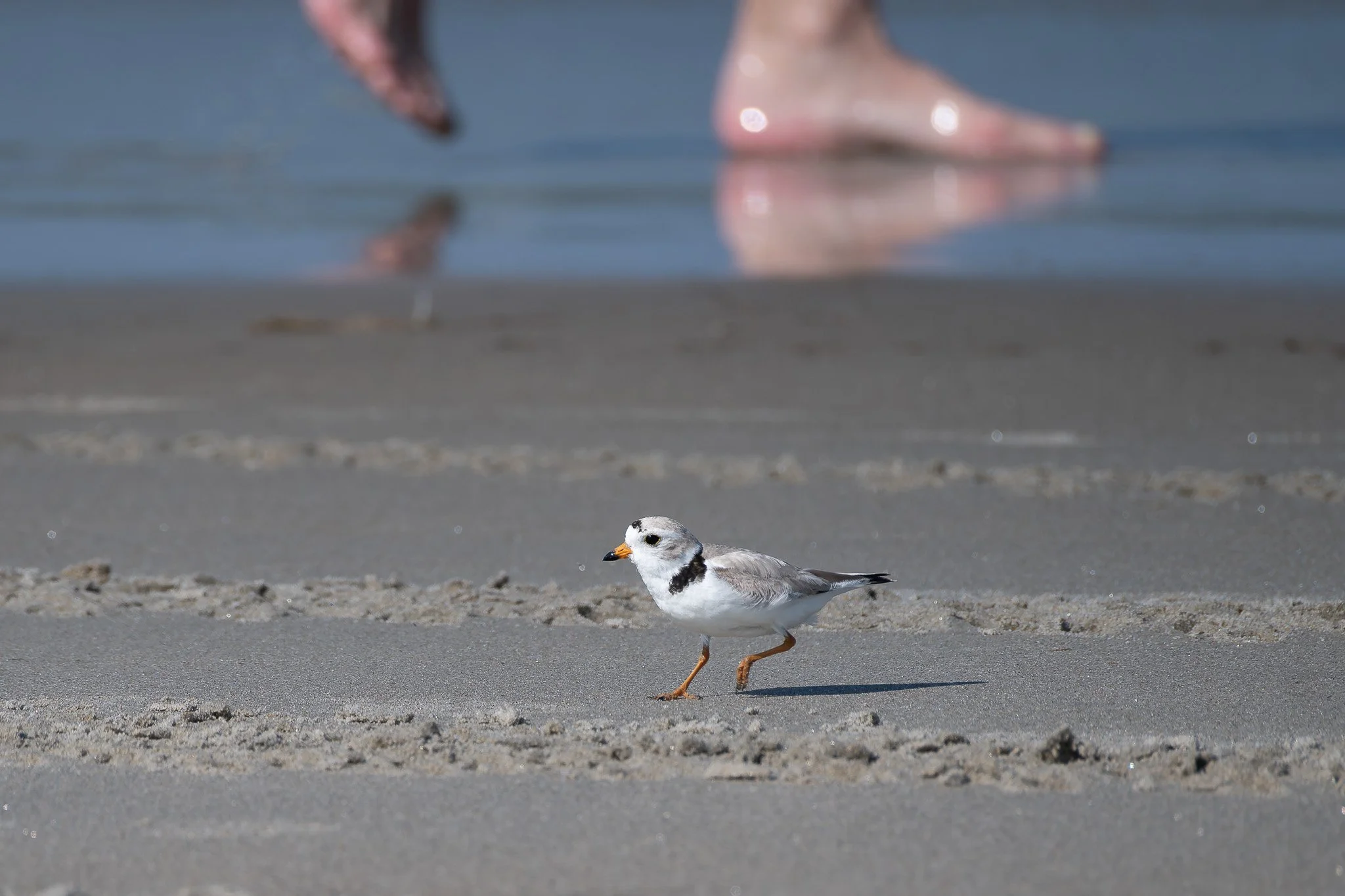
A piping plover (Charadrius melodus) passes near a human beachgoer, foraging among swimming areas.
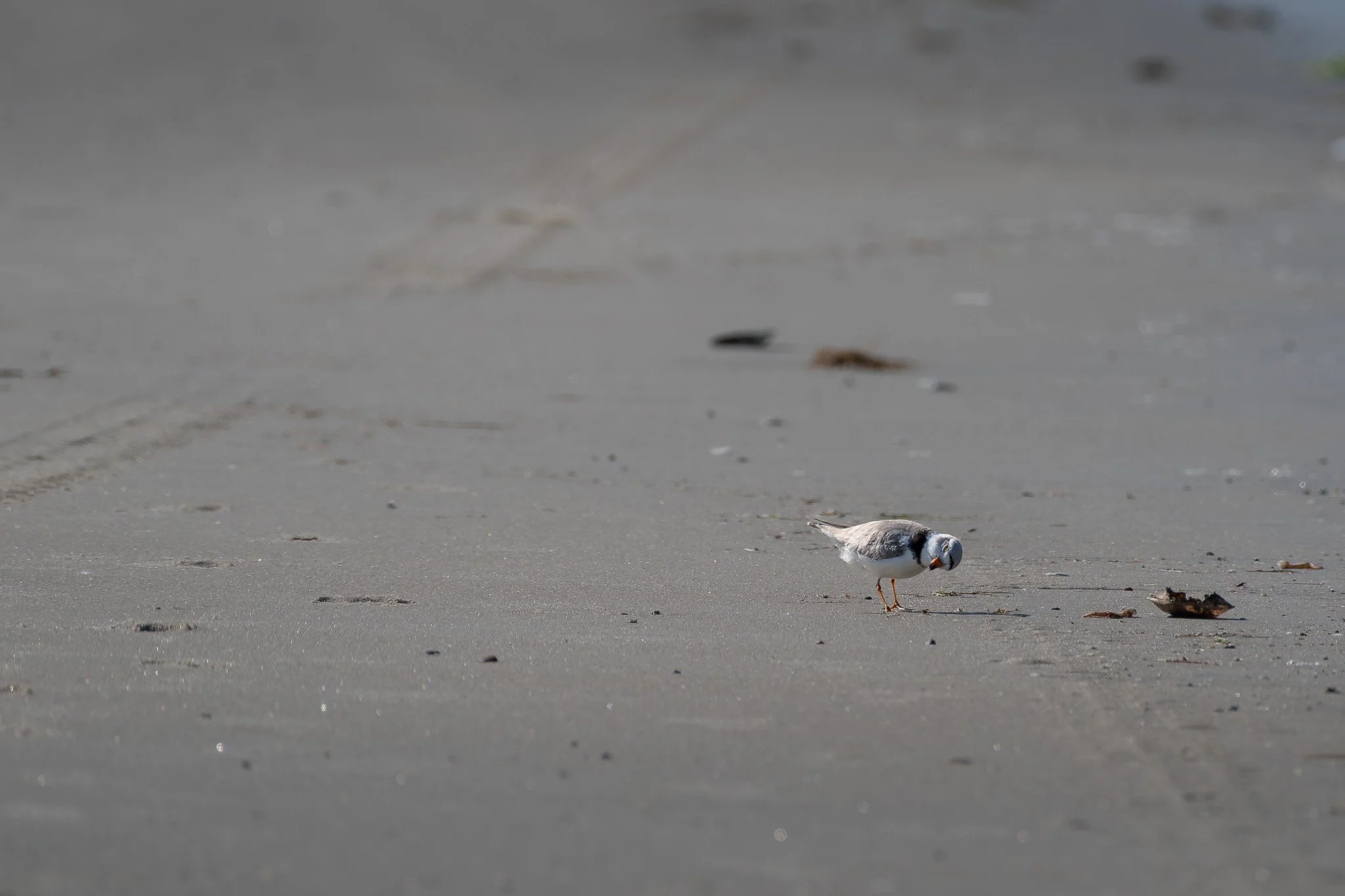
A piping plover (Charadrius melodus) inspects tire tracks across its beach home.
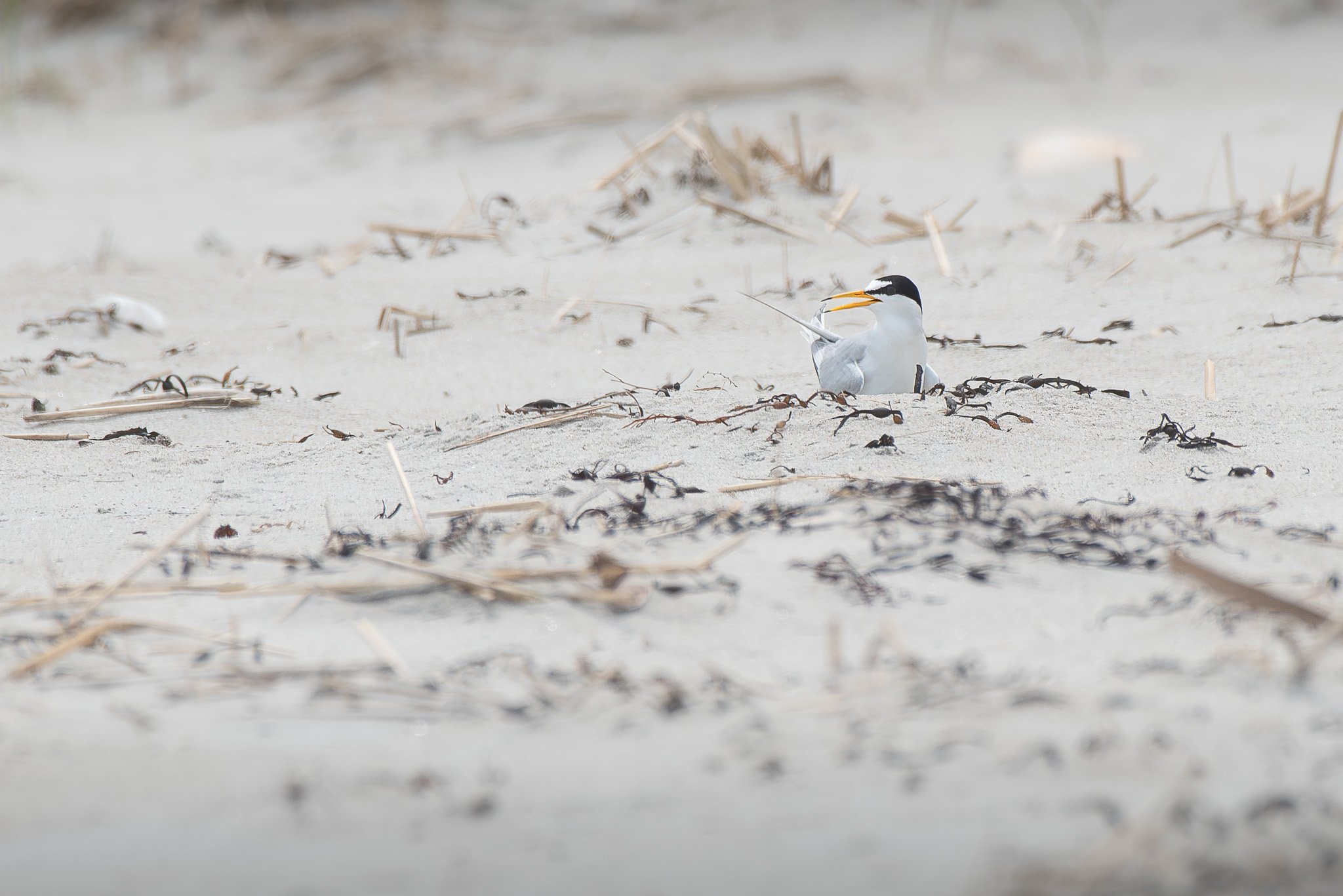
A least tern (Sternula antillarum), another species of special concern in Massachusetts, incubates its eggs among the beach sand.
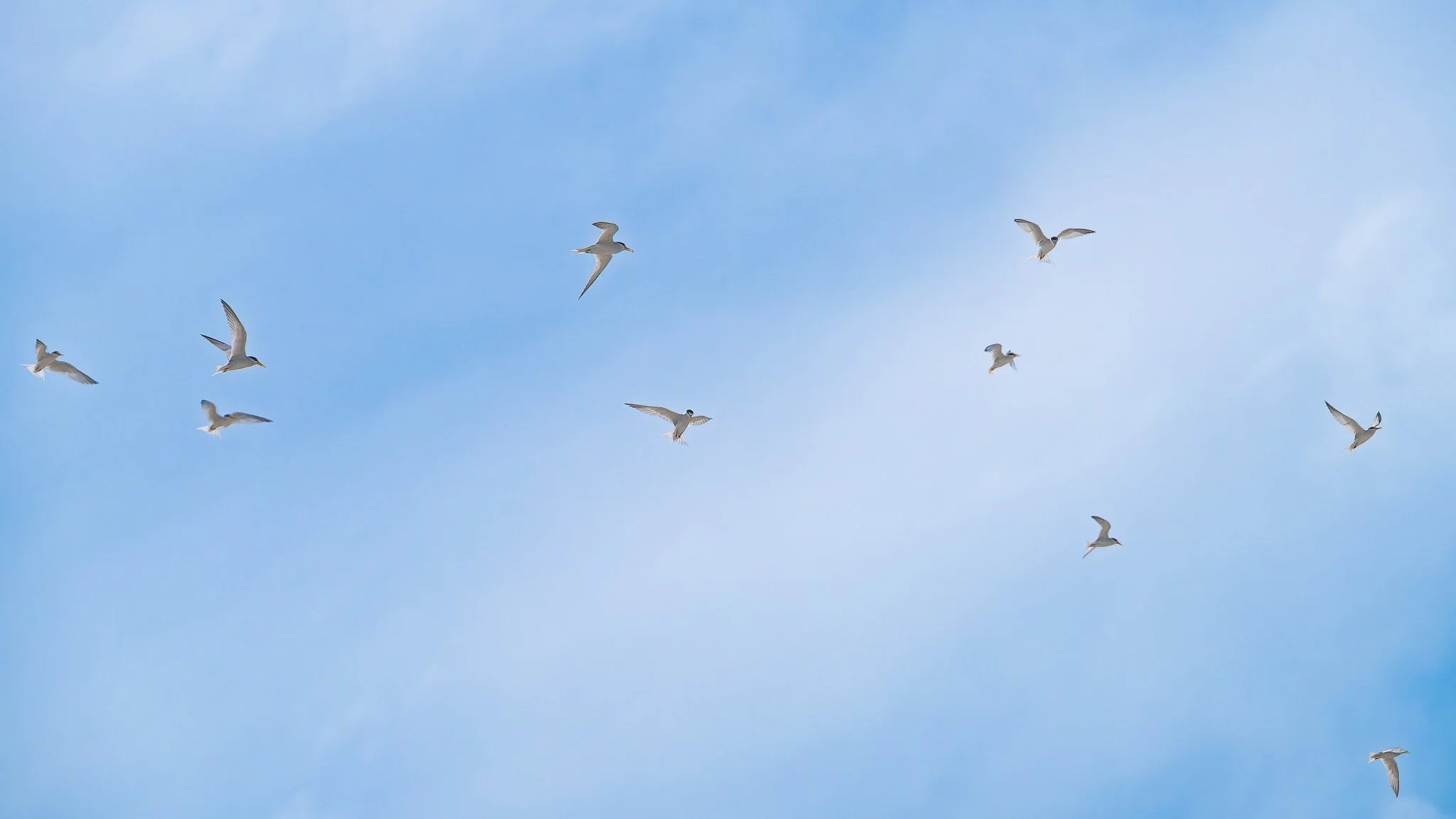
Least terns (Sternula antillarum) in flight over their nesting colony.
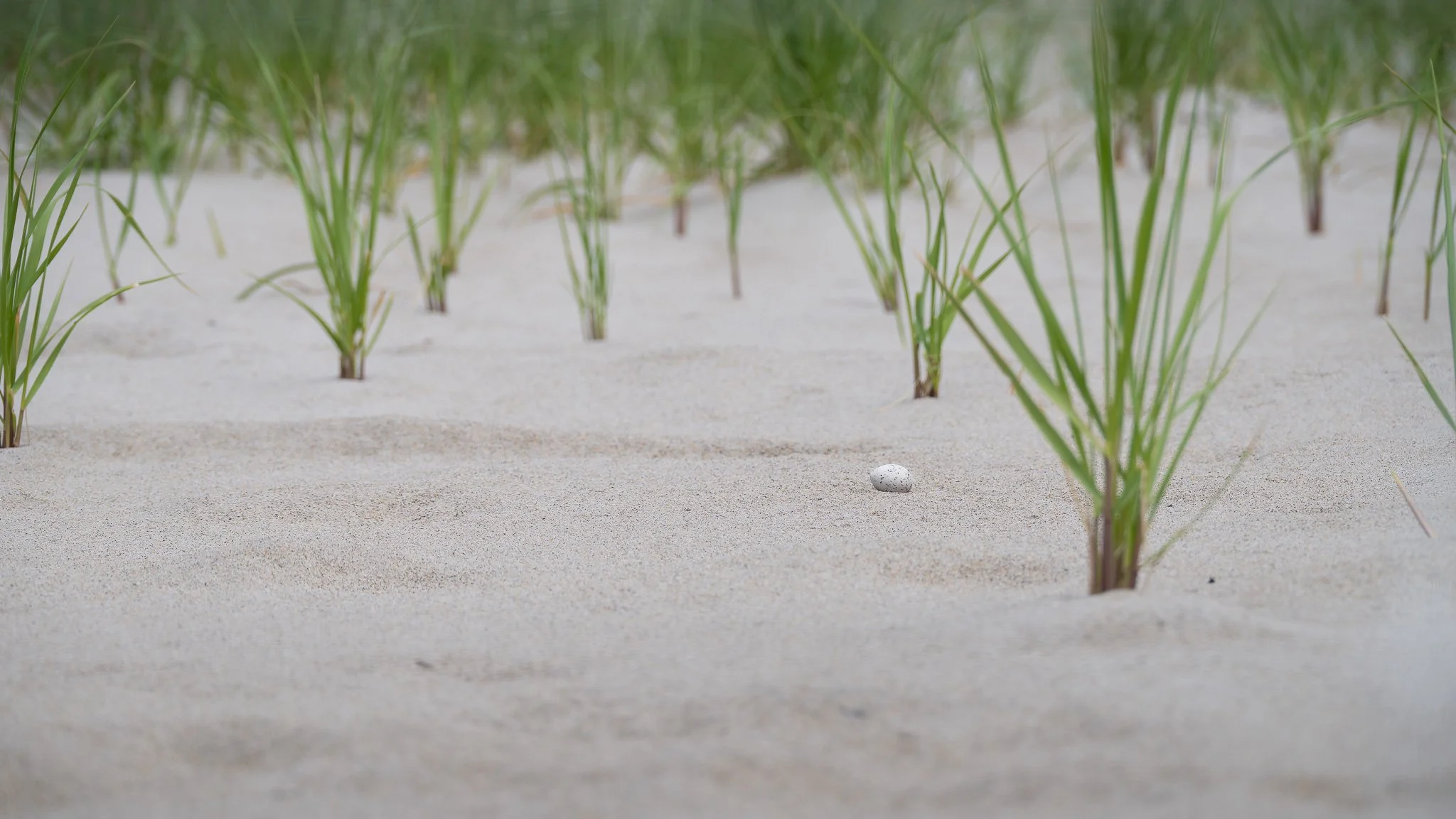
A least tern (Sternula antillarum) egg in its "nest" on the open sands among dune grasses.
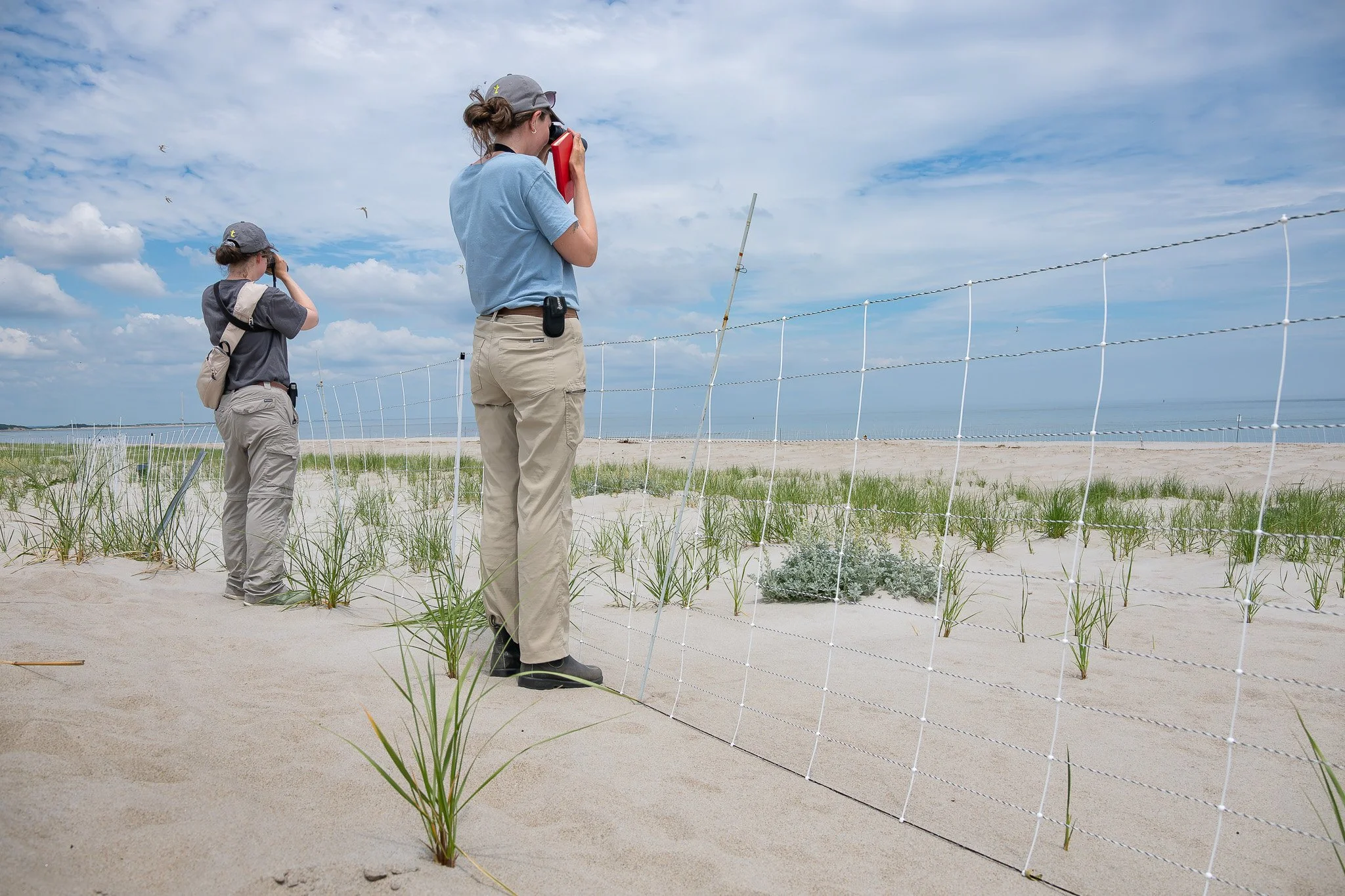
Shorebird scientists at work surveying nesting success among terns, plovers, and other shorebirds within the protected area.
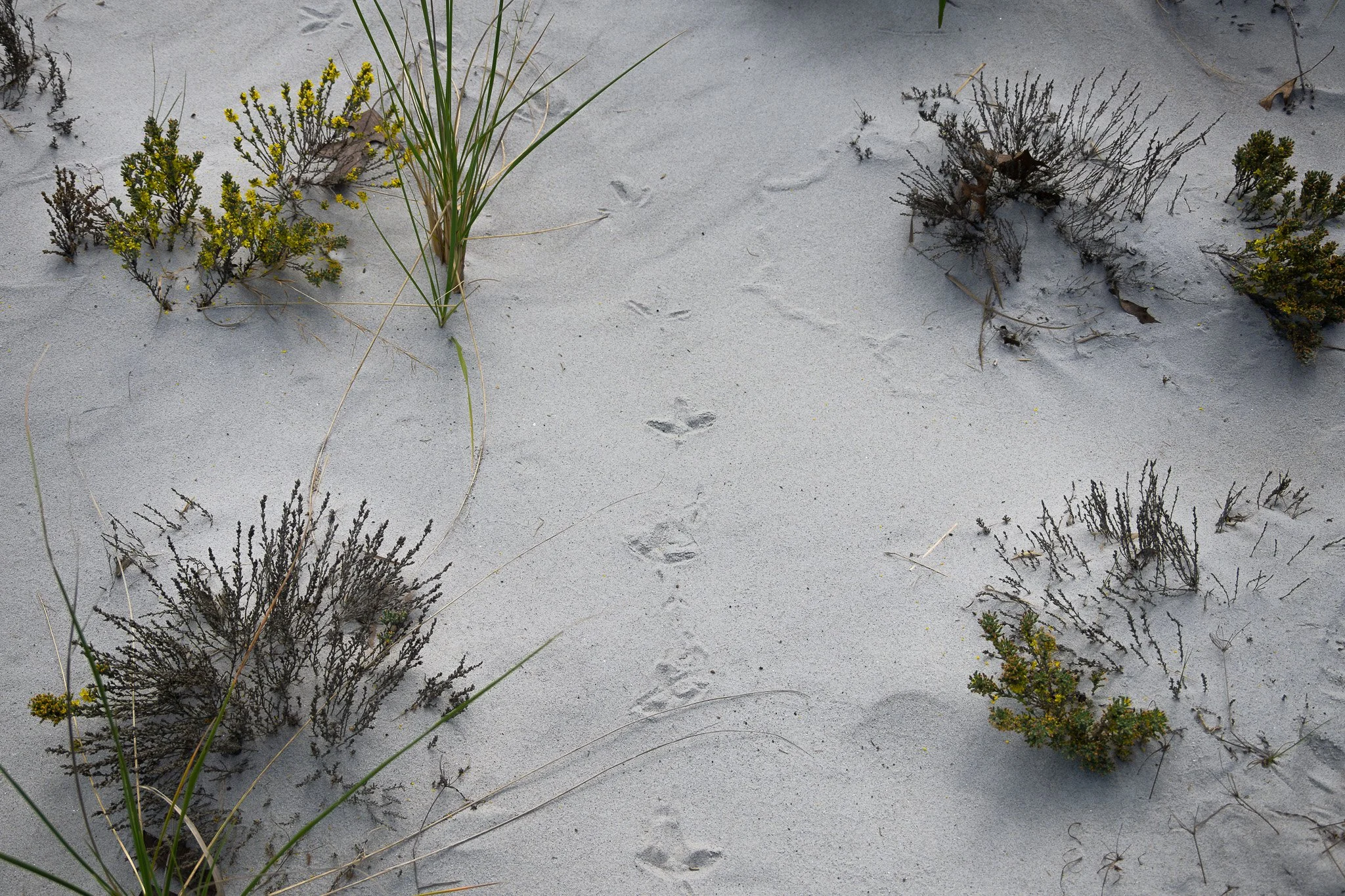
Willet (Tringa semipalmata) tracks traverse among woolly beach heather (Hudsonia tomentosa) on the dunes.
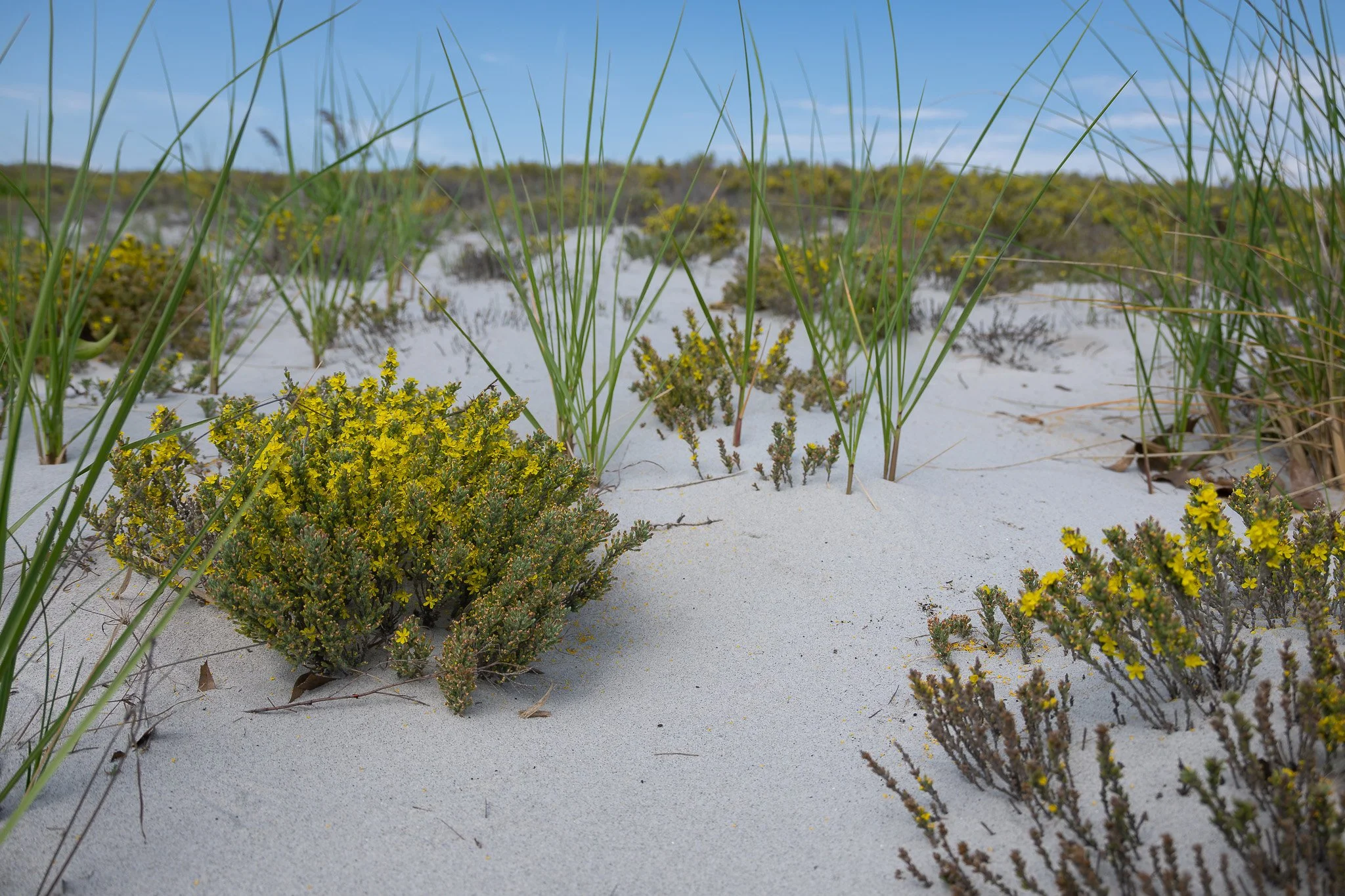
Beautiful yellow-blooming woolly beach heather (Hudsonia tomentosa) among dune grasses at Crane Beach.
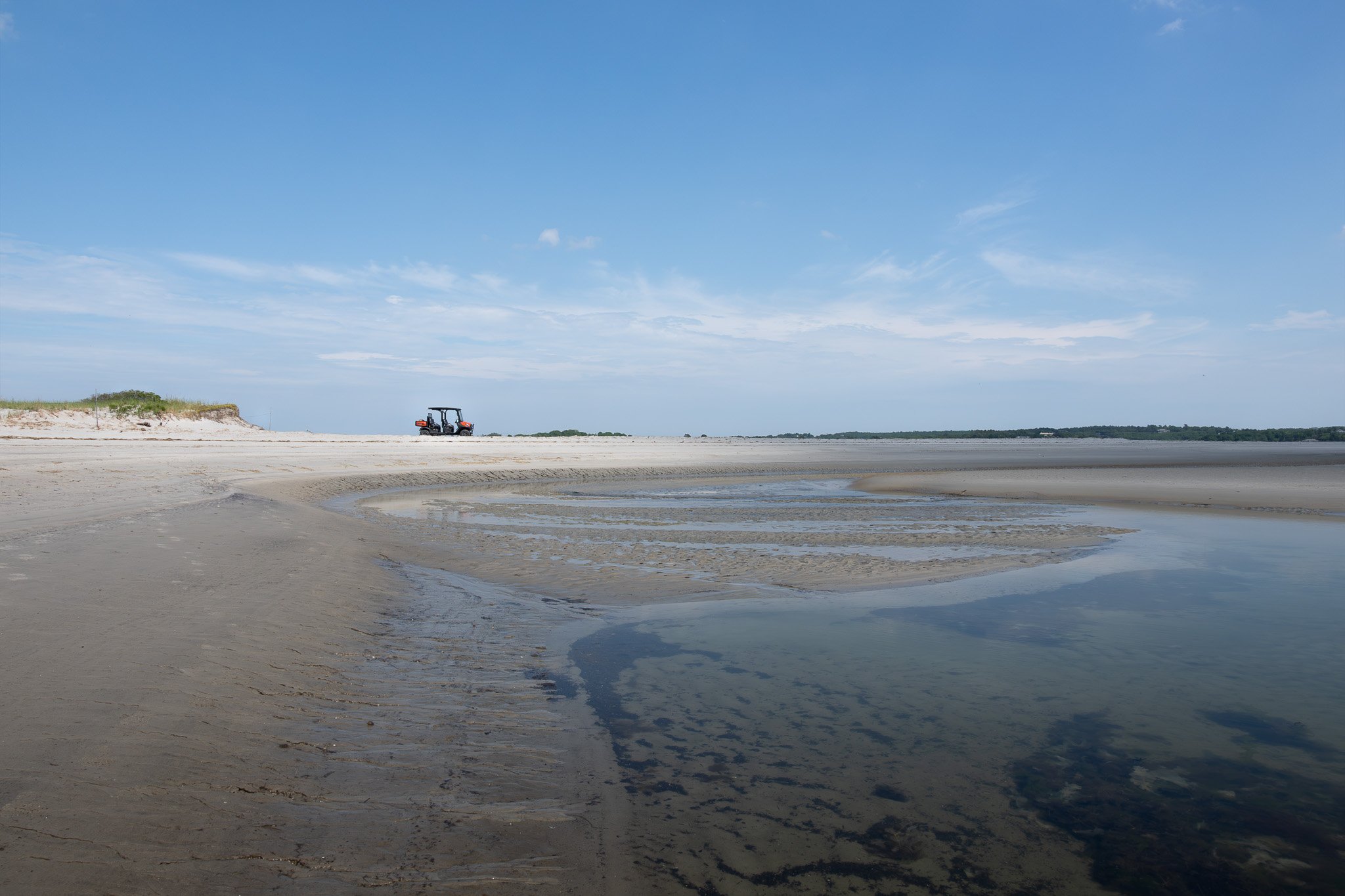
The expansive intertidal and a scientific survey vehicle for scale.

Tools of the trade for shorebird conservation work.
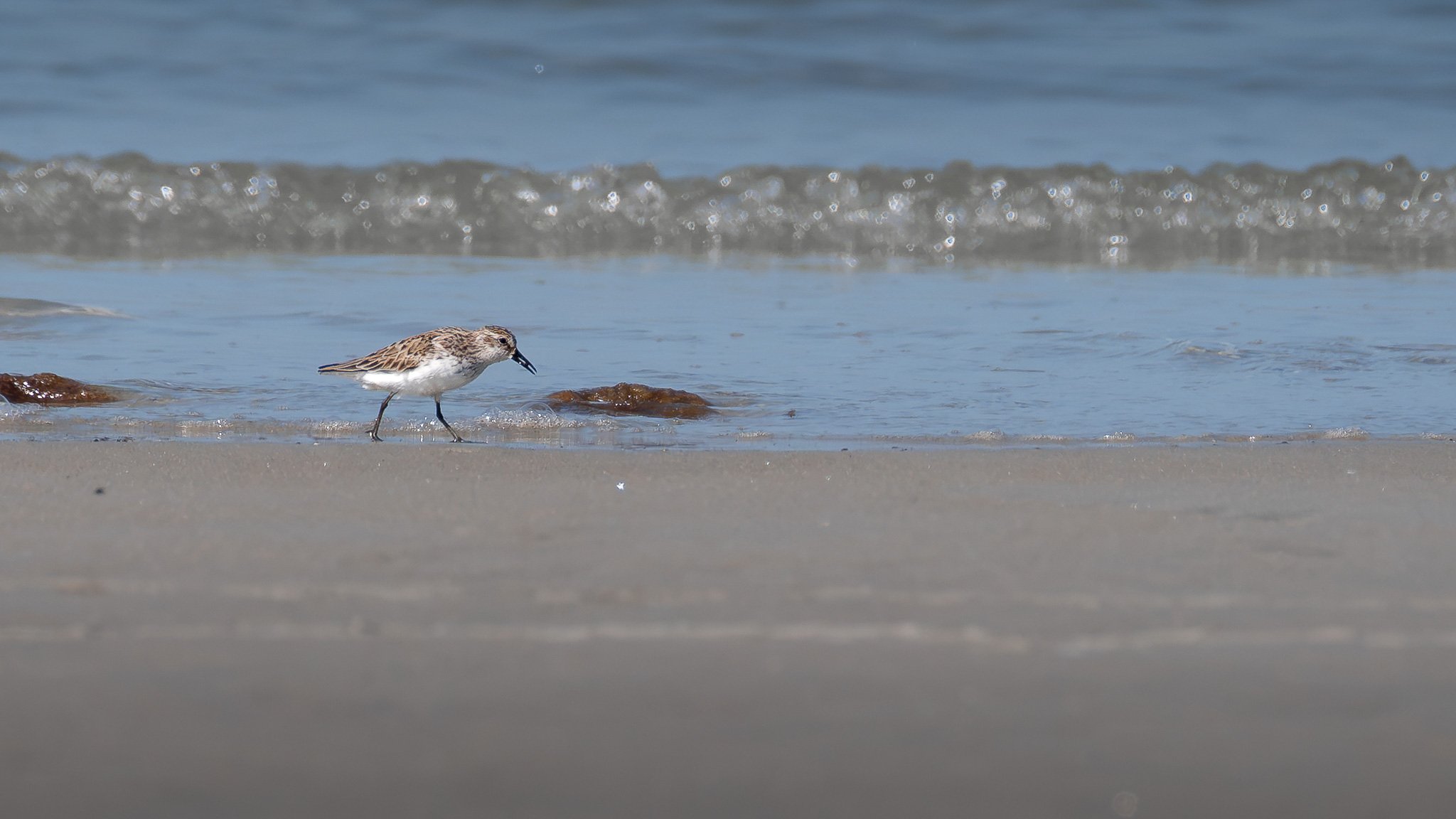
A semipalmated sandpiper (Calidris pusilla) forages among the intertidal for small invertebrates.
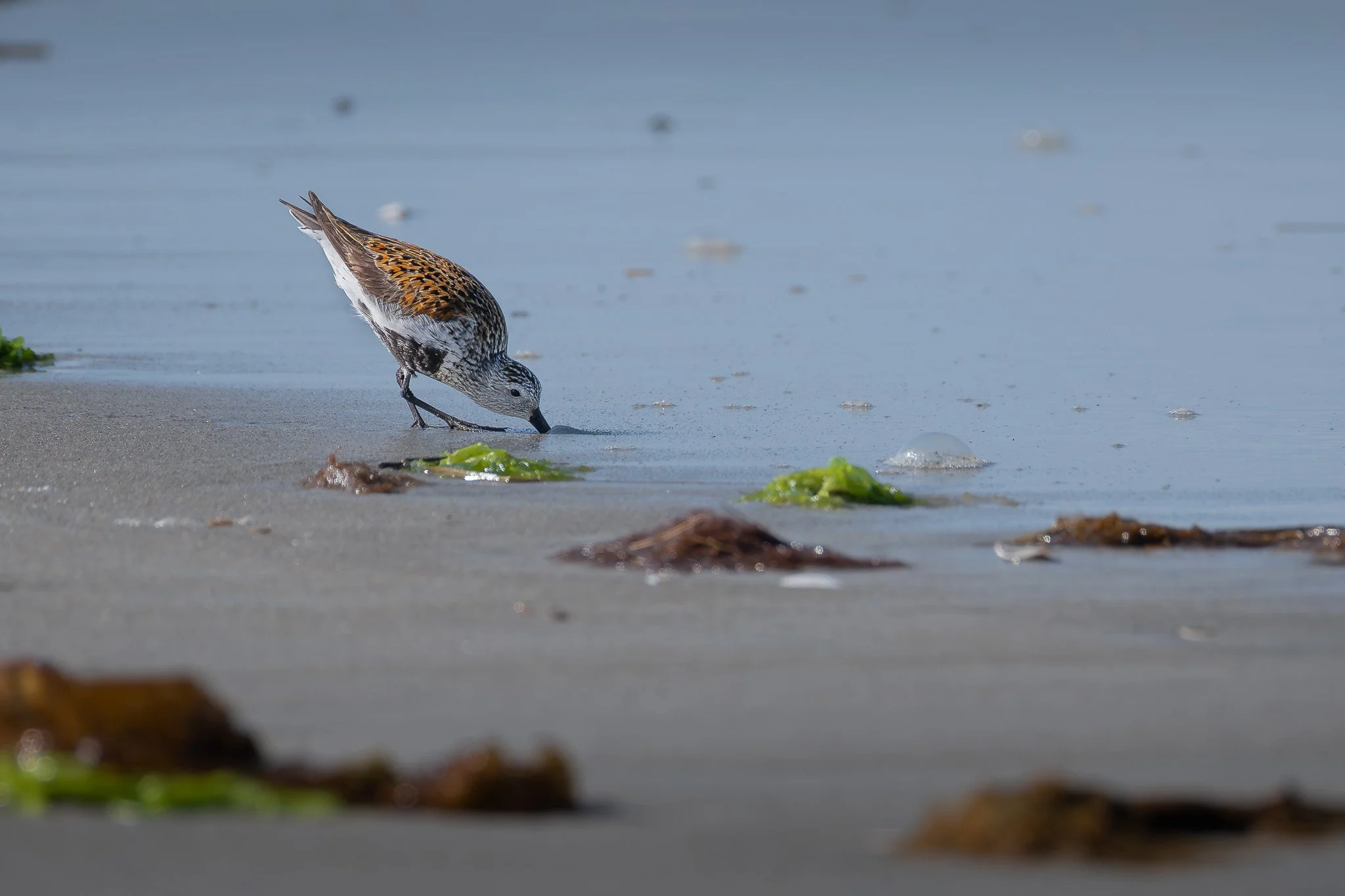
A dunlin (Calidris alpina) forages in the sand among seaweeds at Crane Beach.
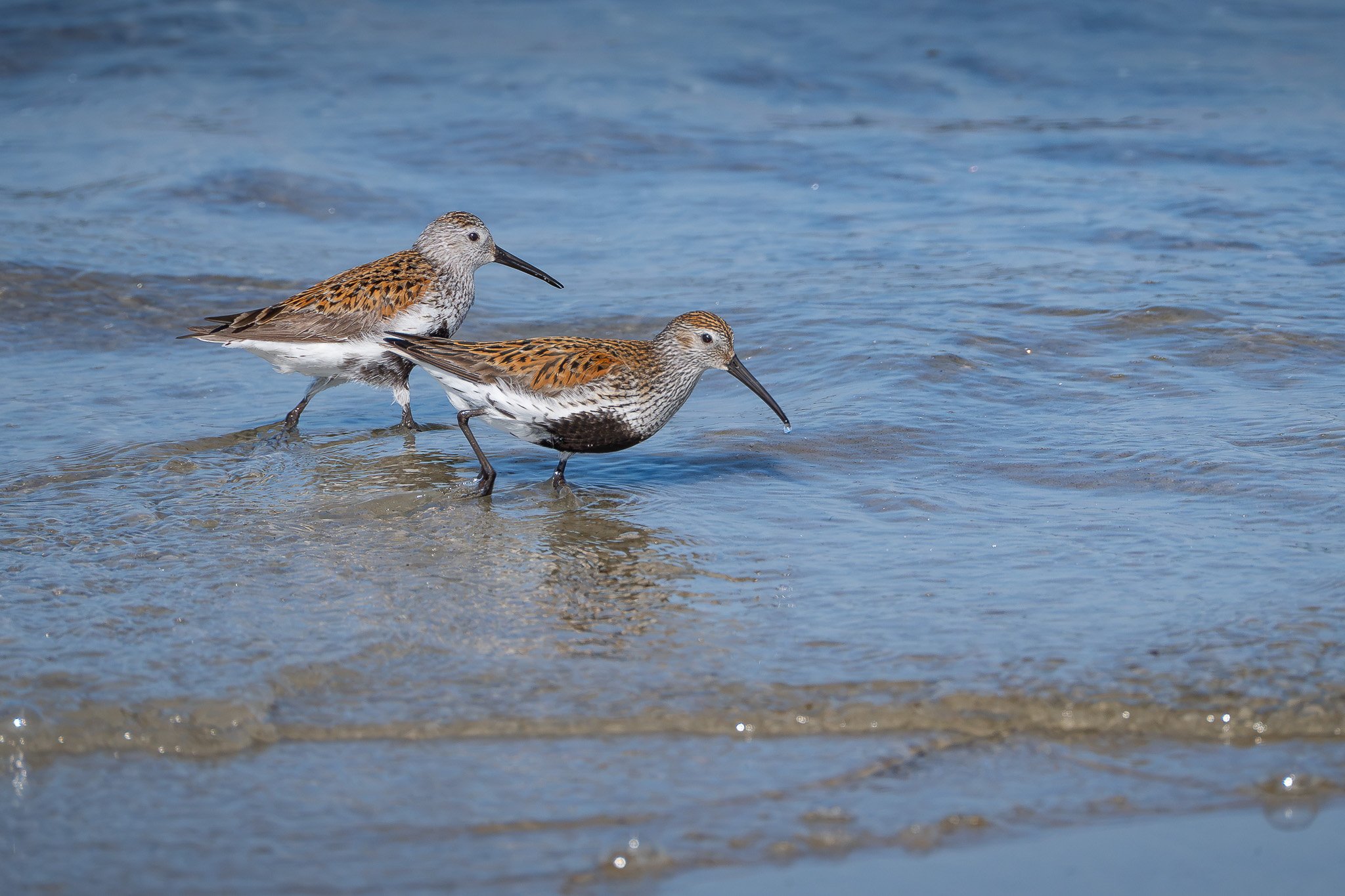
Two dunlin (Calidris alpina) forage together in the intertidal.
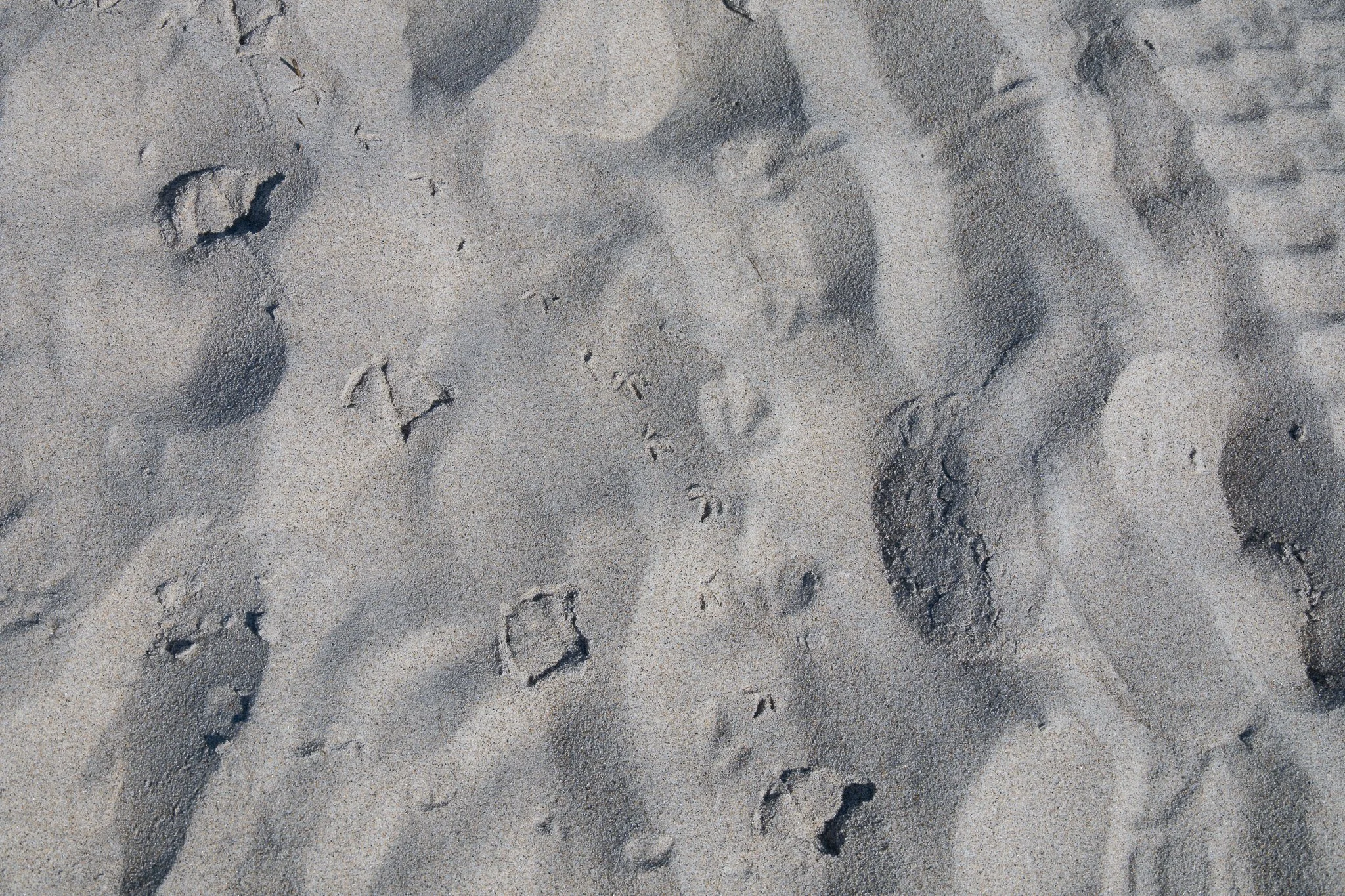
A hodge-podge of tracks from plovers, other small shorebirds, willet, gulls, humans, and vehicles at the multi-use portion of Crane Beach.
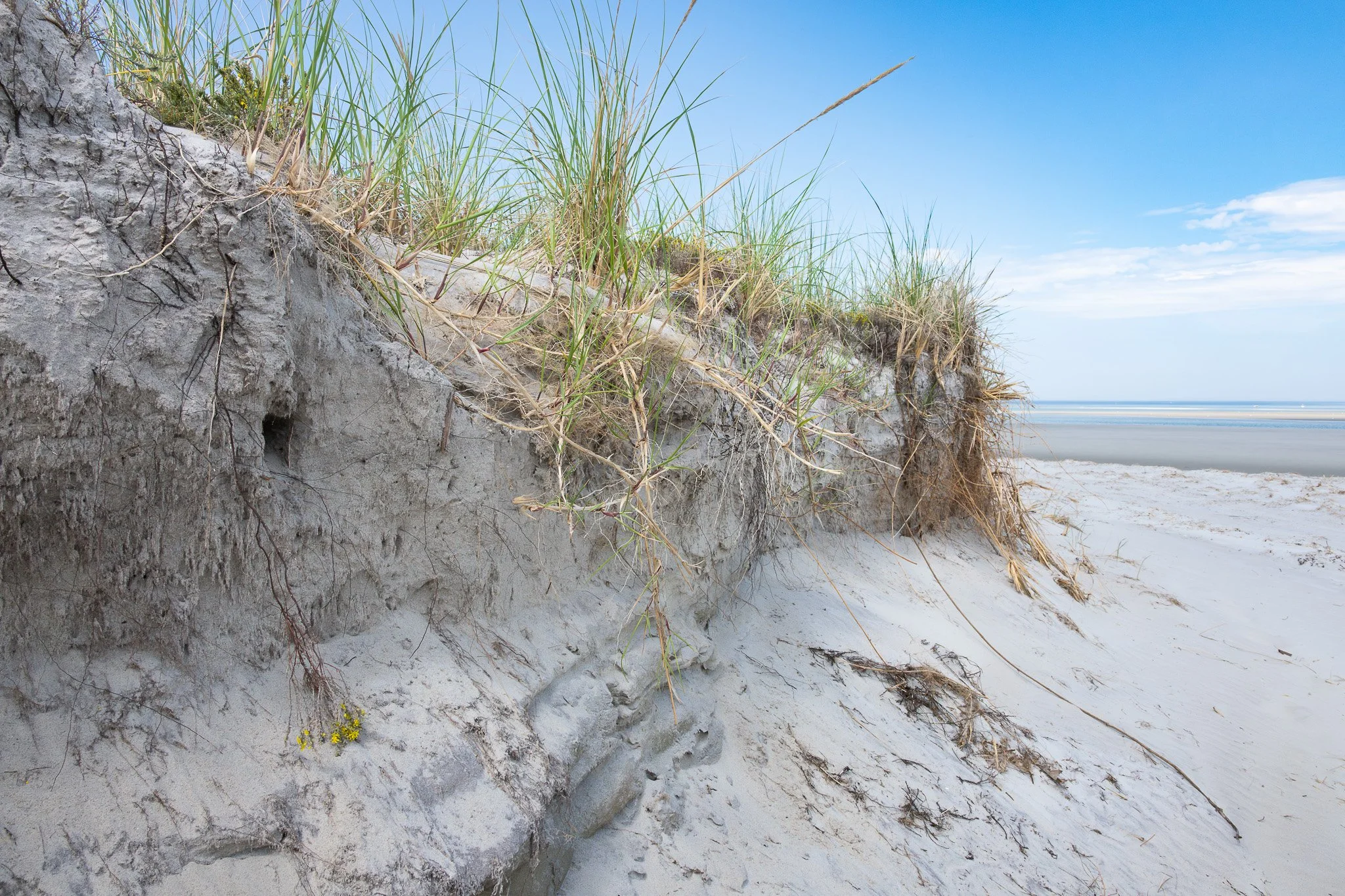
A nesting colony of bank swallows (Riparia riparia), also known as the sand martin, occupying the dunes along the beach edge.
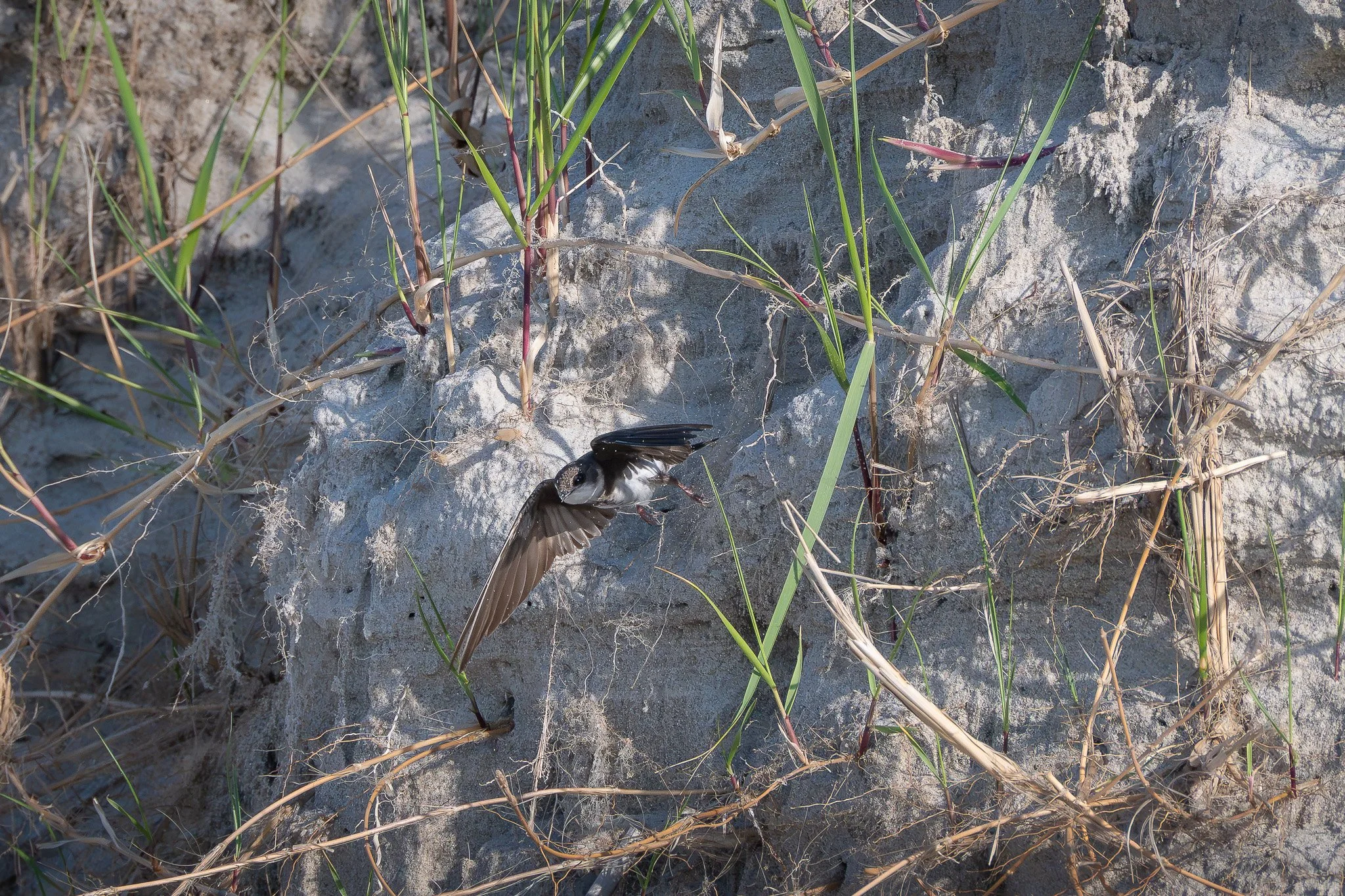
A bank swallow (Riparia riparia), exiting its nest in the dunes of the beach.
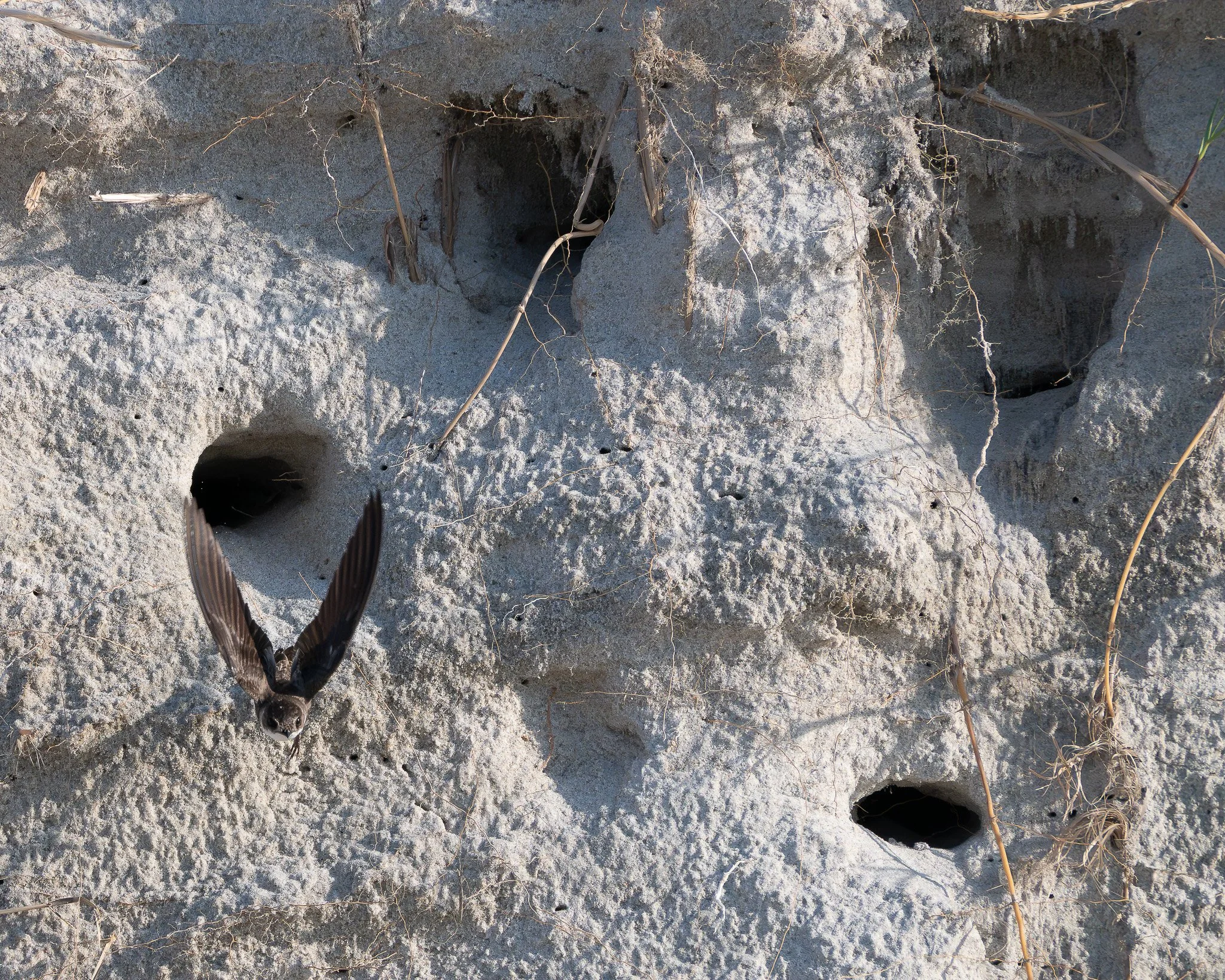
A bank swallow (Riparia riparia), exiting its nest in the dunes of the beach.
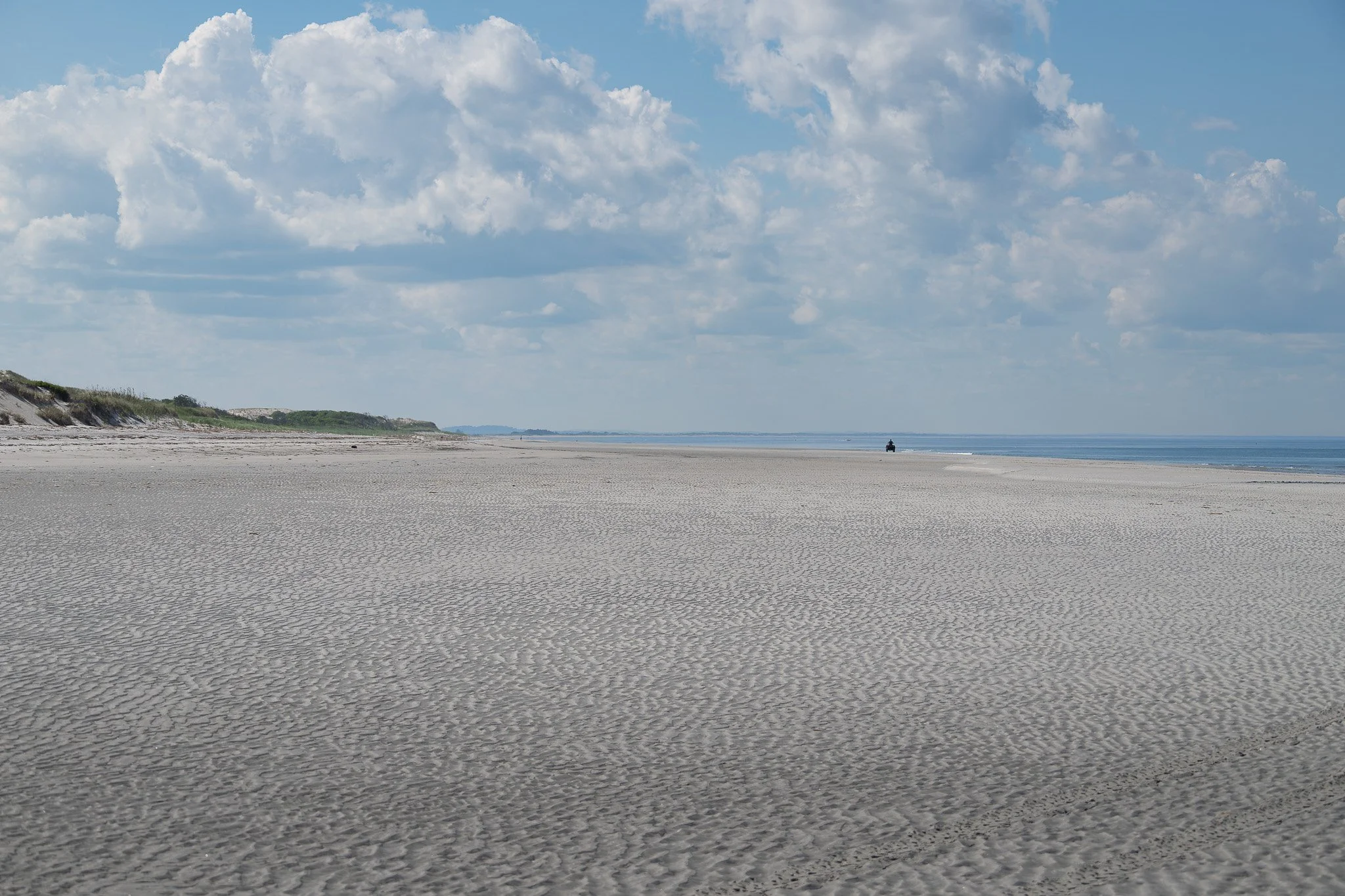
Low tide exposing acres of prime foraging habitat at Crane Beach, with a research vehicle on the far right for scale.
All images for this story taken by Malachy Duggan.
Select images from this work used by The Trustees in their work protecting shorebird habitat and other special places throughout Massachusetts.