Reviving A Golf Course: From Ecological Dead Zone to Thriving Watershed and Outdoor Recreational Area
In 2025, The Trustees acquired the Beaver Brook Golf Course in Williamsburg and Northampton to undertake an ambitious project reviving the Beaver Brook watershed.
“In early July 2025, thanks to the enthusiasm and generosity of so many, The Trustees acquired the Beaver Brook Golf Course in Williamsburg and Northampton – a major step toward transforming this beloved landscape. But our work is just beginning. “
“In partnership with Hilltown Land Trust (HLT) and with community support, we’re working to transform 250 acres of floodplain, wetlands, and forest into a dynamic hub for conservation, community, and recreation. Situated along Route 9, the Beaver Brook Golf Course has been manicured and manipulated, impacting the floodplains and native habitats of the valley.”
“Replanting native species and regrowing floodplain habitat will allow the brook to naturally meander and help mitigate flooding that occurs in nearby neighborhoods and farm fields, enhancing the biodiversity and climate resiliency of Beaver Brook.
Additionally, Beaver Brook is a cold-water fishery with core aquatic habitat, and the property’s 175 acres of forest provide vital carbon storage and upland habitat for various species. As climate change threatens biodiversity and leads to more frequent, heavy rainstorms, restoring and reconnecting this landscape will help strengthen its resilience.”
Located along a bus route and near a long-distance bike path, Beaver Brook is highly accessible and visible from Route 9.
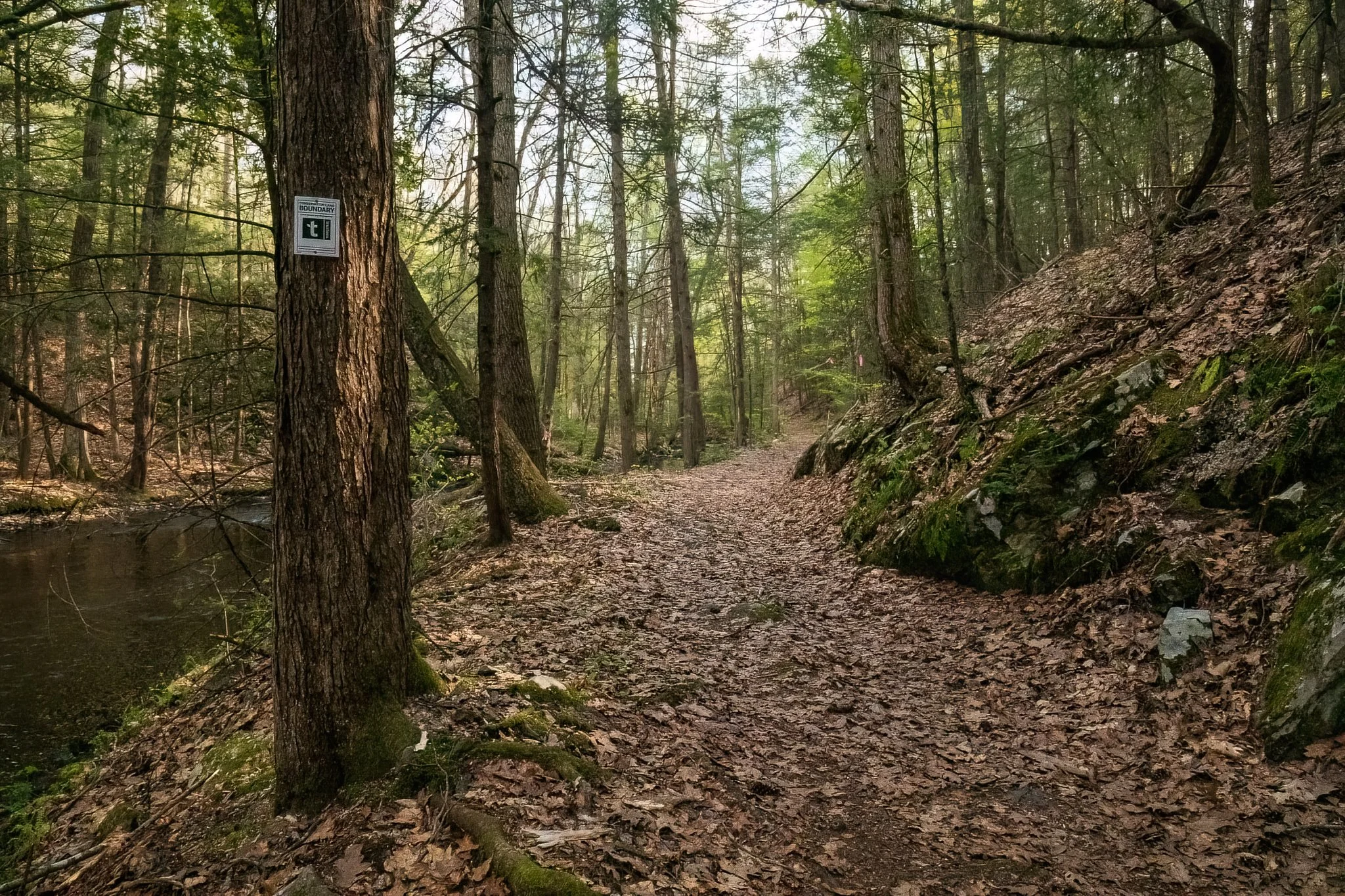
The diverse trail network, which stretches through floodplains, wetlands, and forests is perfect for a range of outdoor activities. The varied ecosystems and rewilding process will provide rich opportunities for environmental education, making Beaver Brook a valuable resource for visitors, schools, and community organizations.”
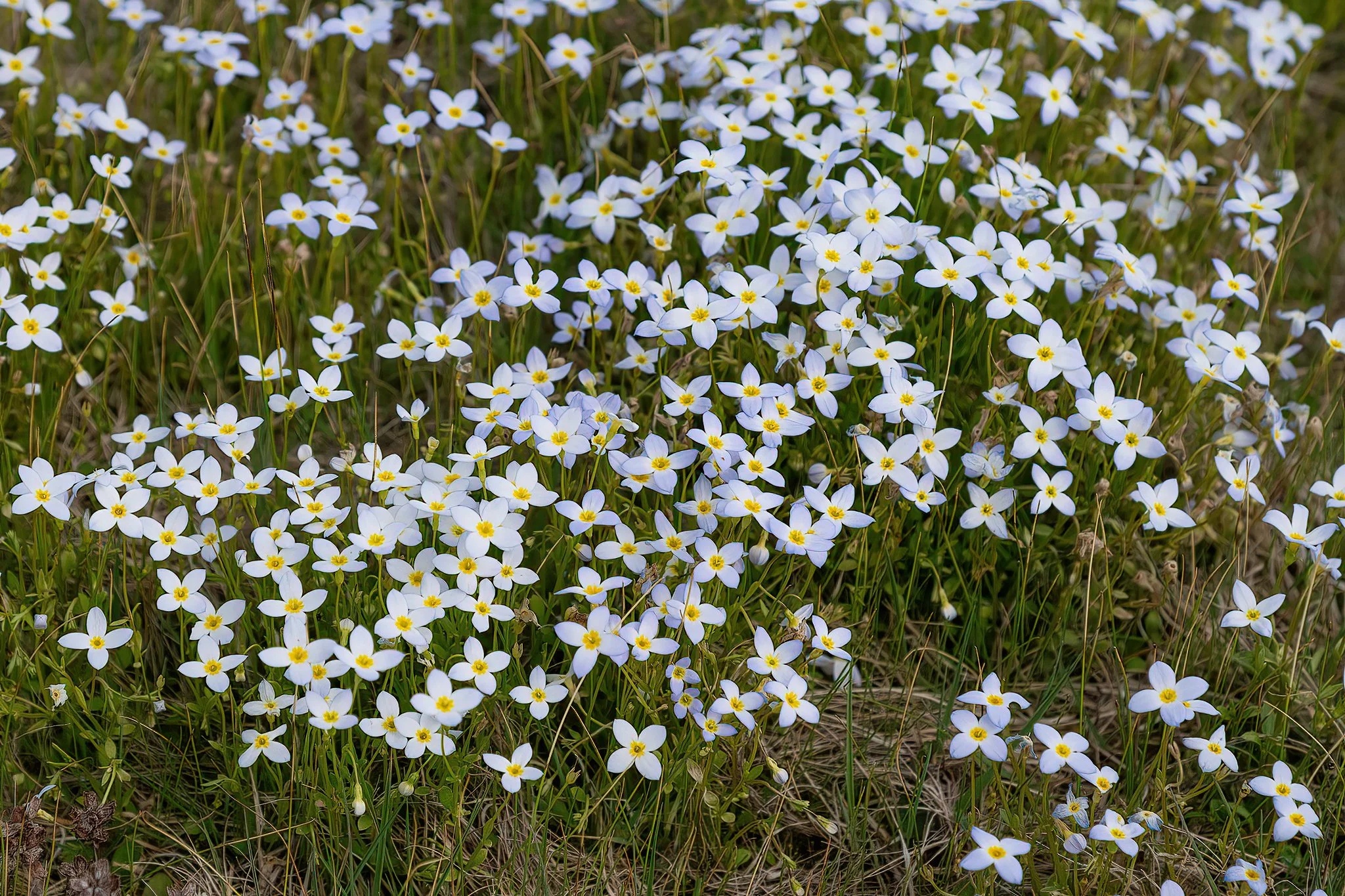
A patch of Azure Bluets (Houstonia caerulea) in spring bloom, representing just some of the native wildflowers returning to the area.
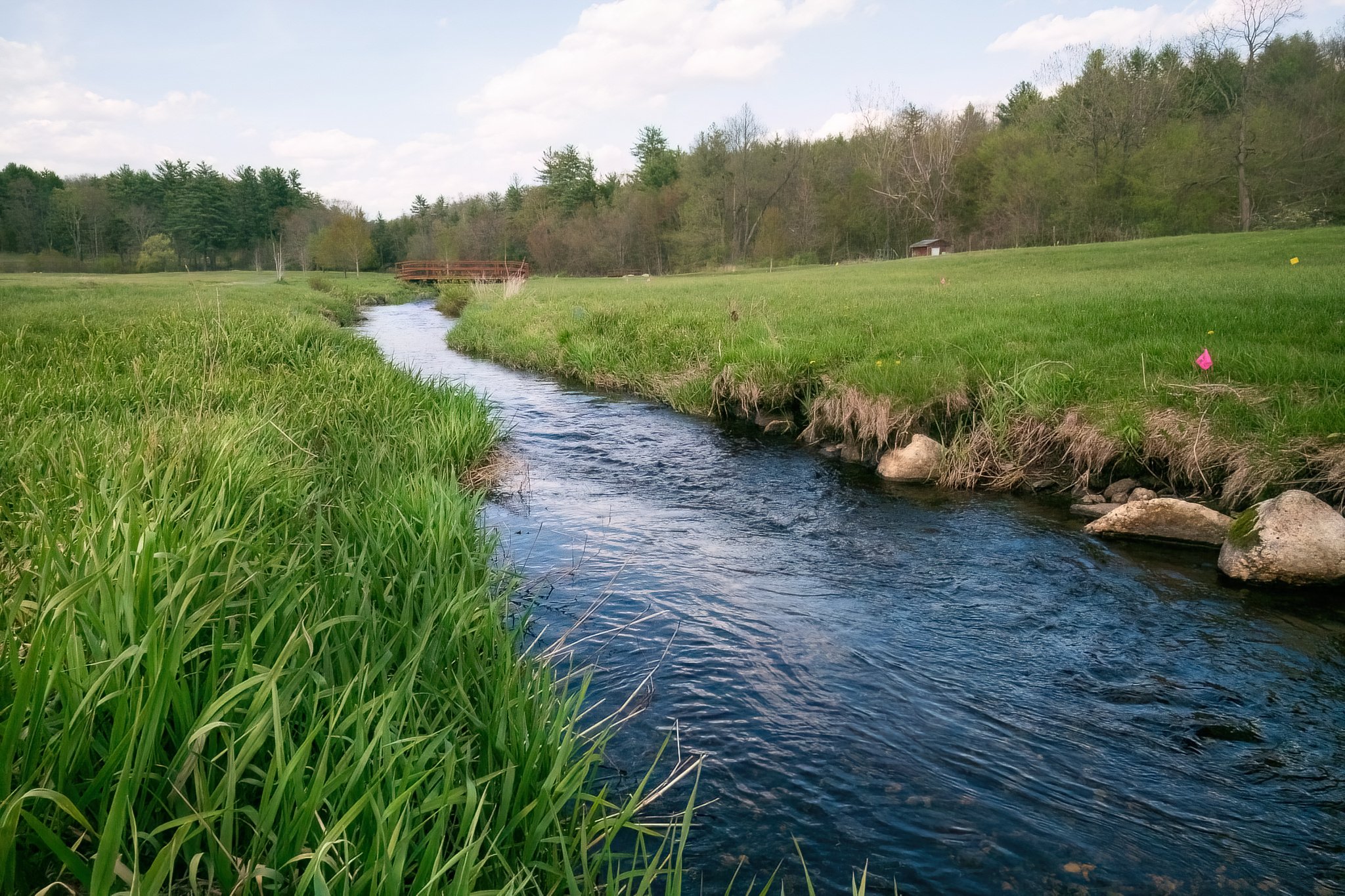
Beaver Brook runs freely with spring rain and snow melt through the recovering golf course.
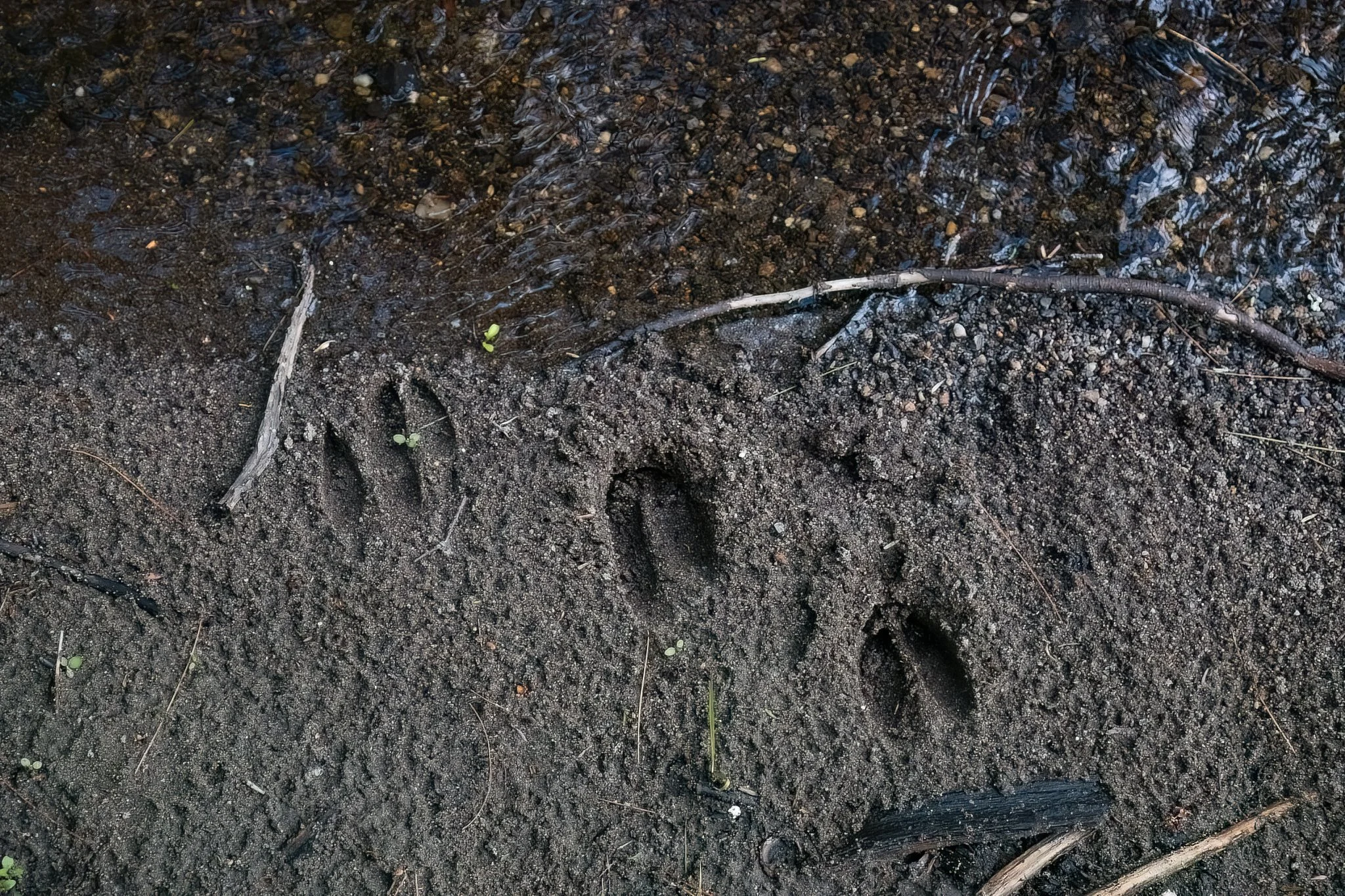
Fresh White-tailed Deer ( Odocoileus virginianus) tracks cross the brook, just some of the wildlife sign found here.
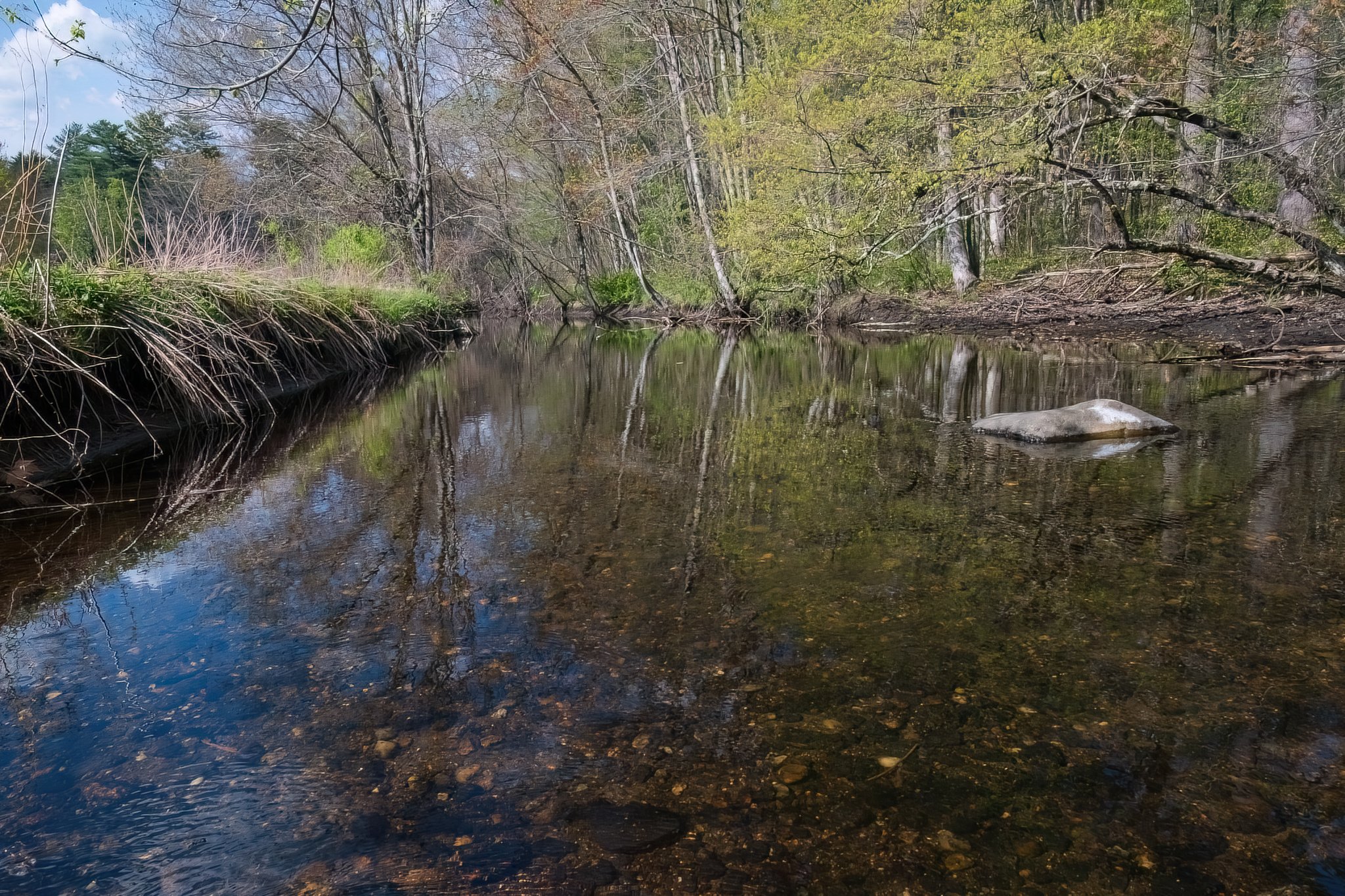
Reflections of early spring foliage show on a calm section of Beaver Brook.
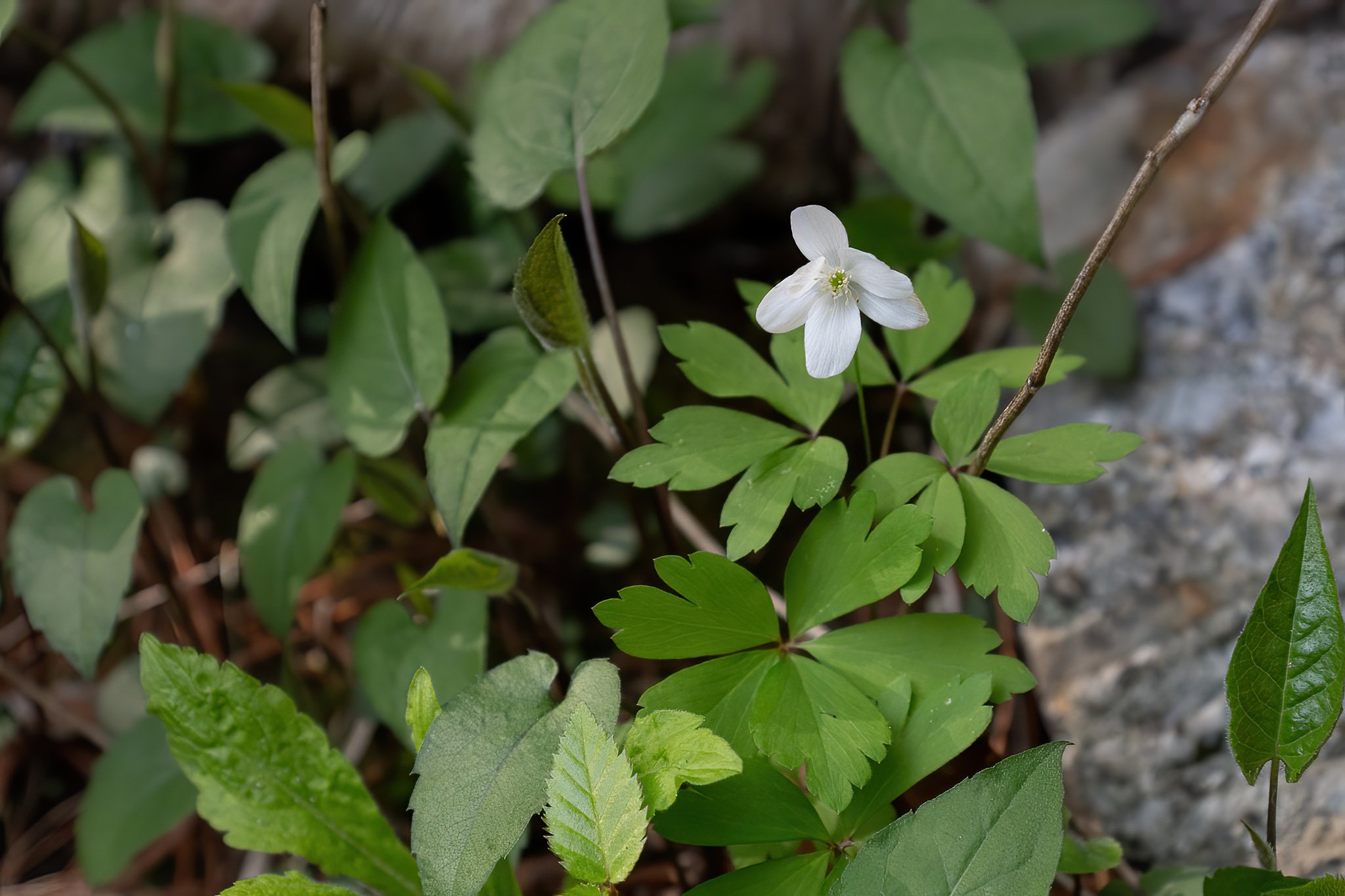
A Wood Anemone (Anemone nemorosa), a native spring ephemeral, grows in the moist shaded woods along the Beaver Brook's forested sections.
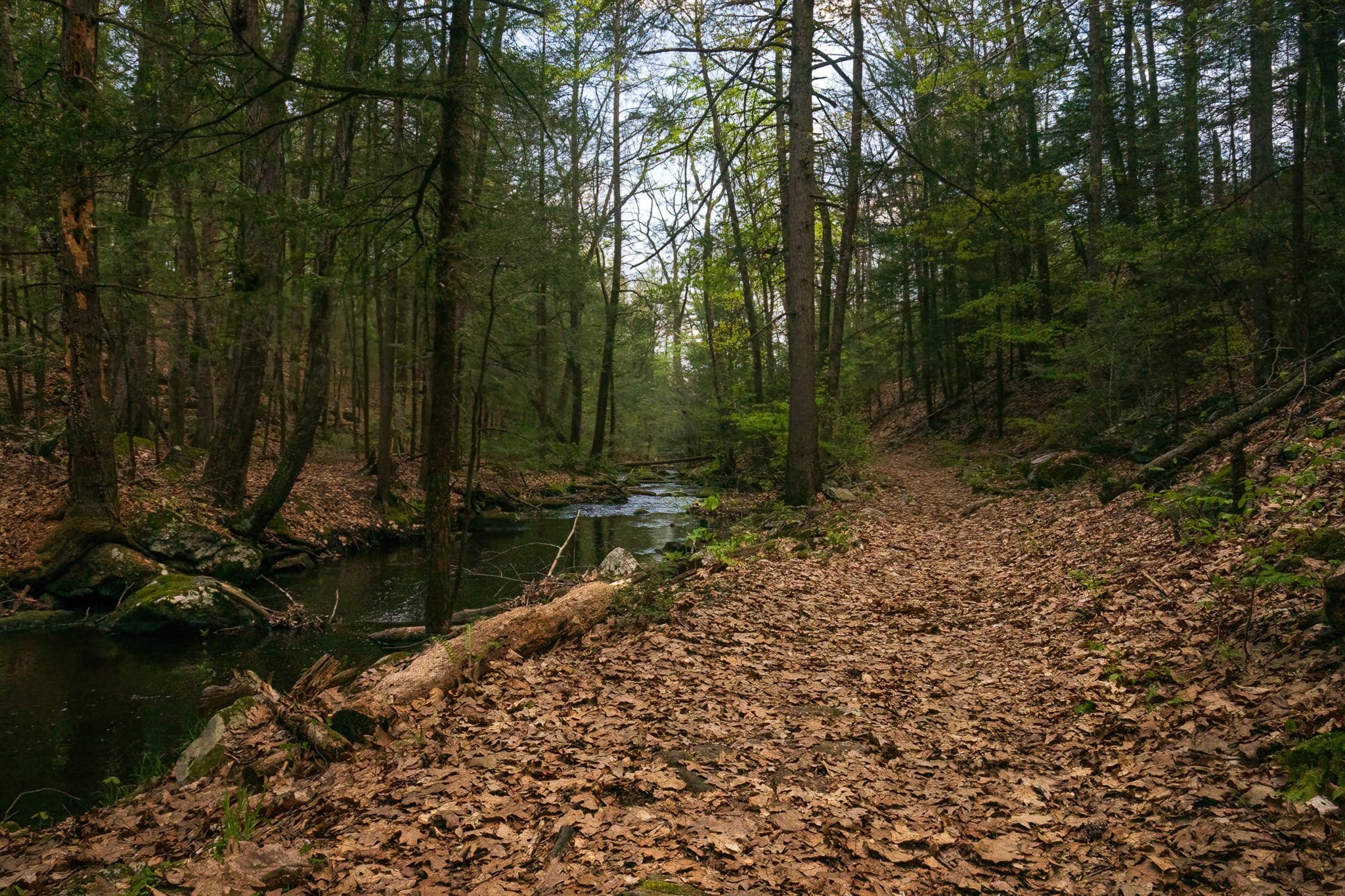
Beaver Brook runs through a mixed forest of hemlocks, oaks, beeches, and other northeastern plant species.
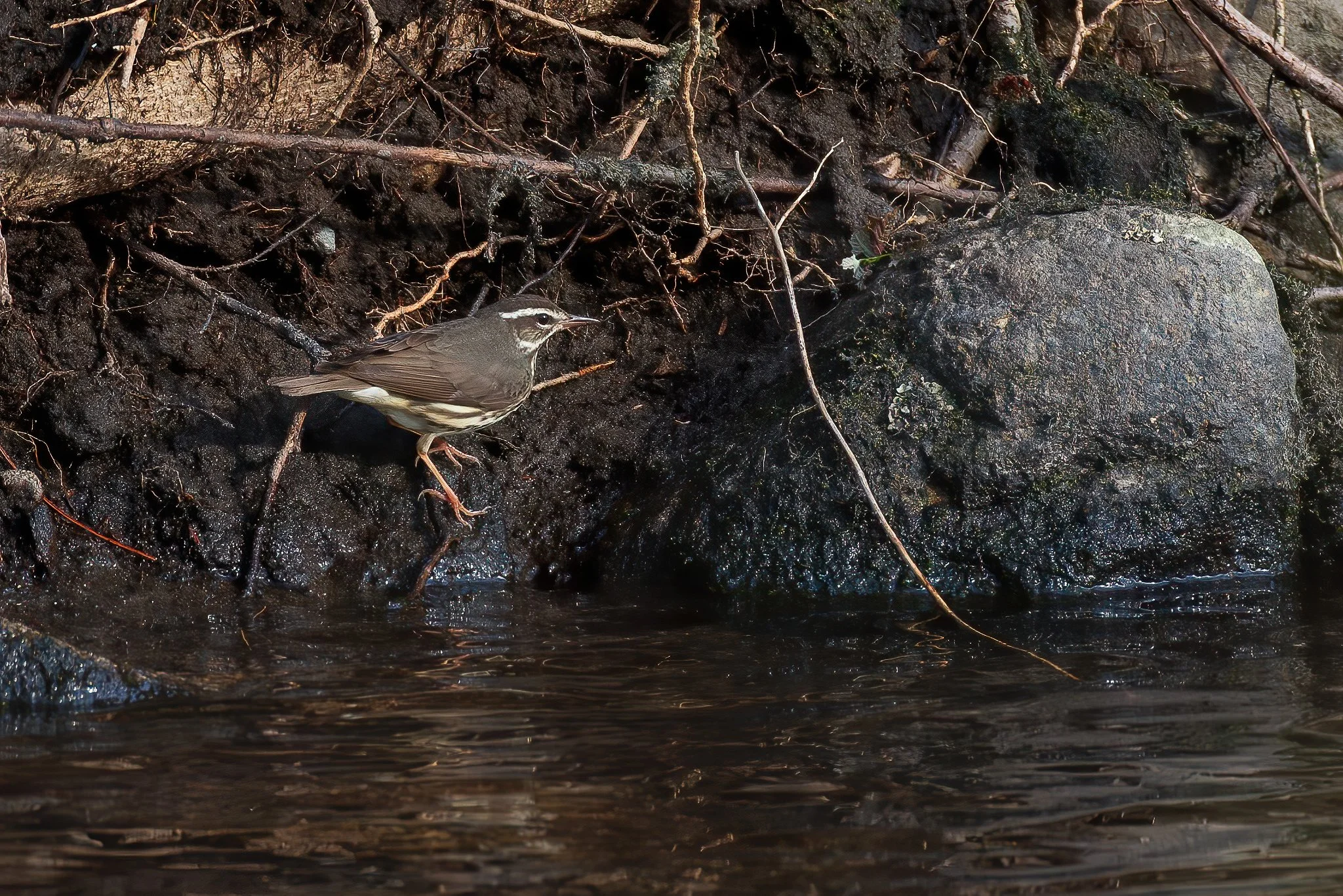
A Northern Waterthrush ( Parkesia noveboracensis) forages through mud and foliage along the brook.
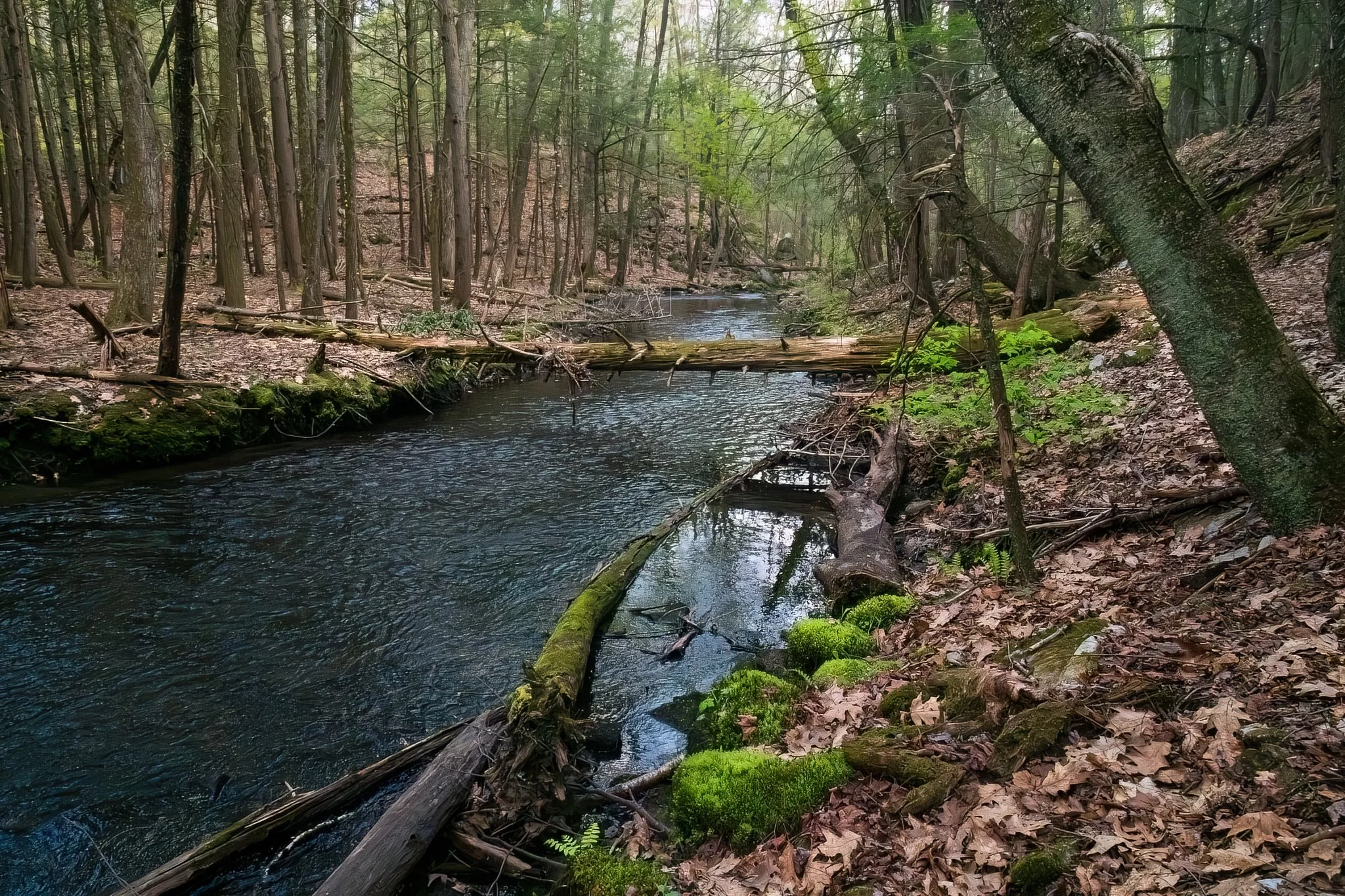
Bright green mosses grow in healthy mats along the forested section of Beaver Brook.
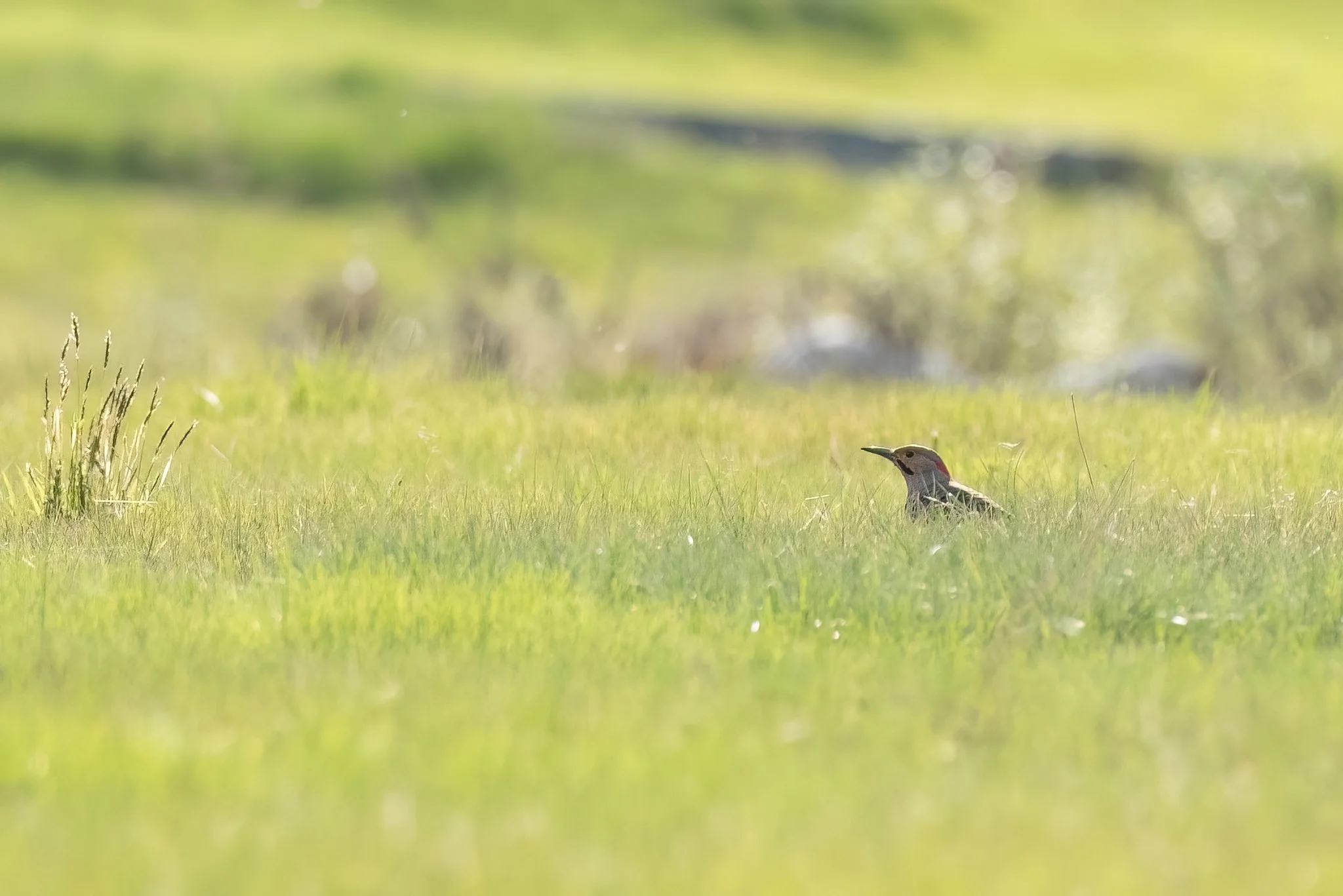
A Northern Flicker (Colaptes auratus) forages for ants among the new spring growth.
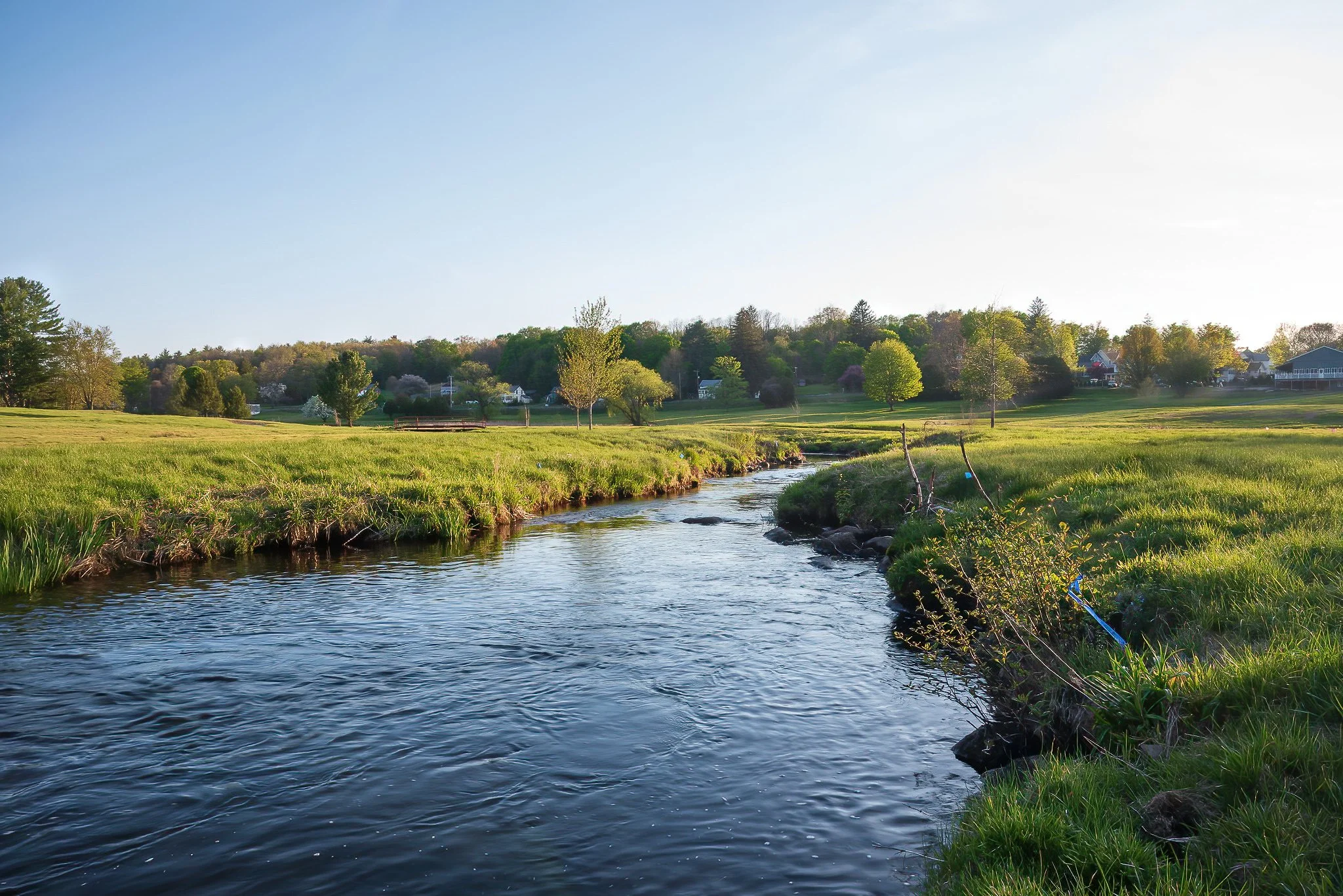
Beaver Brook meanders through what was once a golf course at sunset, now sporting replanted native shrubs and other plant species along its banks.
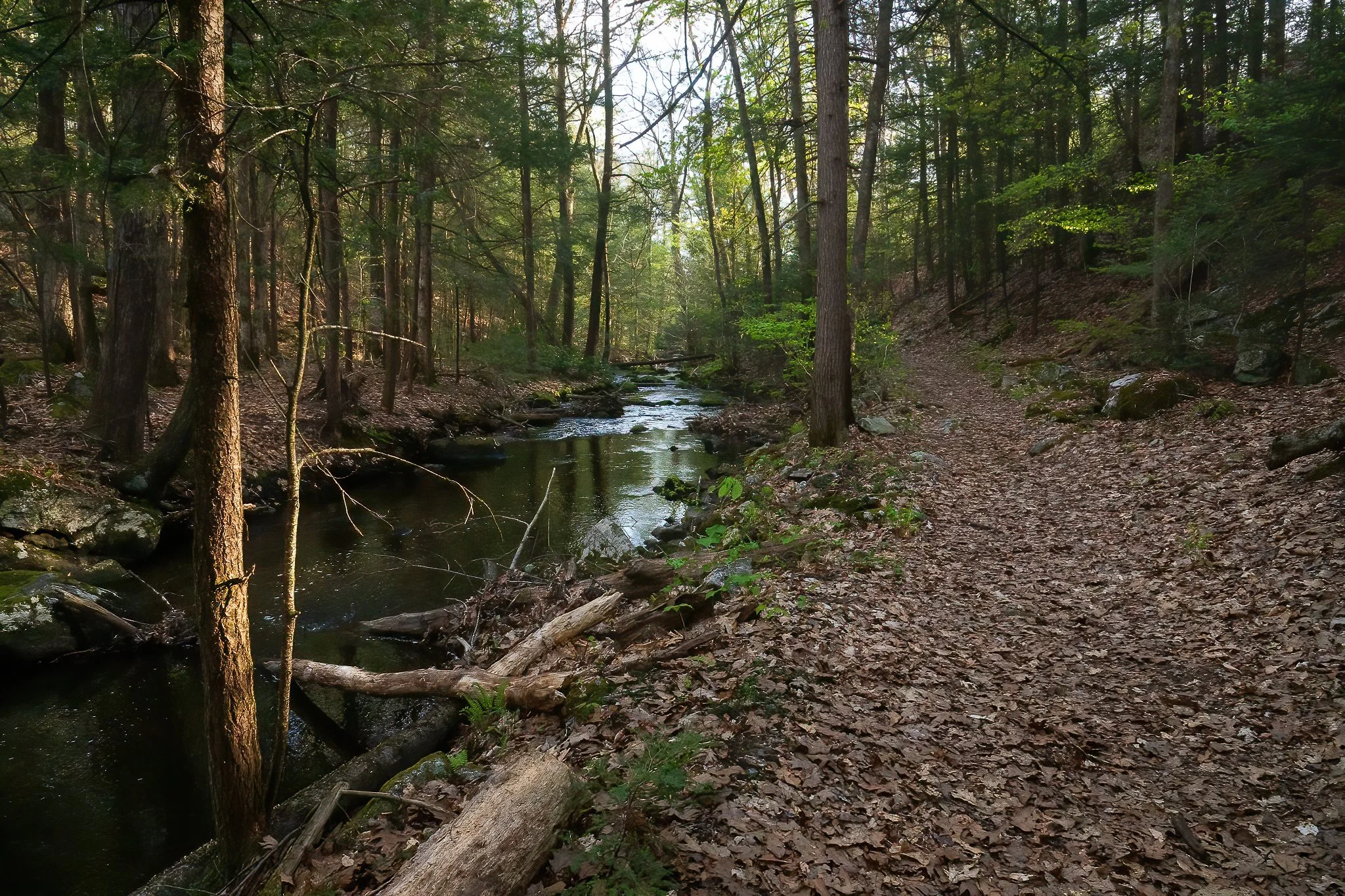
One of the many excellent hiking trails being maintained along the brook.

The Full Worm Moon rises over the woodlands at Beaver Brook.
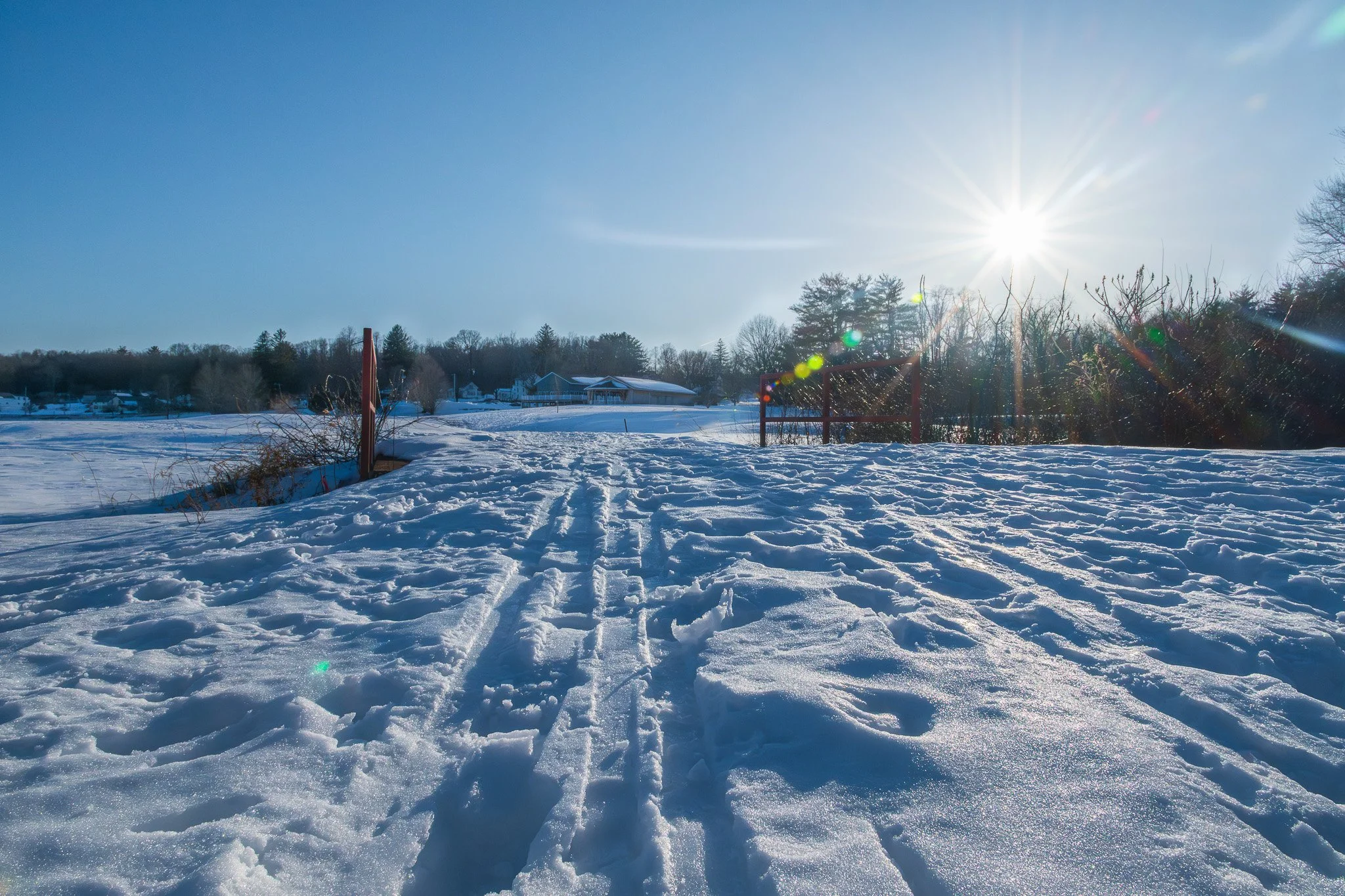
Tracks from cross-country skiers criss-cross one of the many bridges on the expansive property.
All images for this story taken by Malachy Duggan.
Select images from this work used by the Trustees of Reservations in their work rewilding this special section of the Beaver Brook Watershed in Massachusetts.